

Beyond the Protocol: Reflecting on Embedding Lived Experience Knowledge onto the Research Team using the Seven-Step Framework for Critical Analysis in Physical Therapy
Table of Contents
Abstract
Engaging individuals with lived experience on a study team establishes partnership between investigator expertise and first-hand knowledge to accelerate research relevance and delivery. This approach disrupts the traditional delineation between academic researcher and intended target population to examine and address complex health problems. The purpose of this report is to critically reflect on our research team’s approach to embedding lived experience knowledge into our science using Nixon’s Seven-Step Framework for Critical Analysis in the field of Physical Therapy. We reflect on the assumptions, beliefs, and values that shaped our process to specifically incorporate perspectives of individuals with spinal cord injury (SCI) through group exercise program development and assessment. We prioritized the inclusion of community partners throughout all phases of the project. This engagement encompassed the establishment of a sustainable community of partnerships; active participation in study aspects (ie, intervention delivery, analysis);contributions to dissemination activities; intervention scalability; and involvement in subsequent studies. Clinicians and researchers must reflect and consider if their professional expertise, protocols, and strategies appropriately account for the complexity of lived experiences of the individuals they intend to support. Clinicians and researchers should advocate for engaging with individuals with lived experience as research partners, and prioritize critical reflection of this approach throughout the research process.
Keywords: lived experience, community-engaged practice, community-based exercise, knowledge translation
To Reflect on Research Practices, We First Consider the Context for Evidence
The American Physical Therapy Association (APTA) Vision Statement describes “transforming society by optimizing movement to improve the human experience.”1 This vision statement evokes a social call to action, indicating that society can be changed through improved movement experience. This vision statement represents an ongoing evolution from the initial focus of the profession, catalyzed in the United States in response to 2 major disabling events: the Polio epidemic and World War I.2 Physical therapy was born in the context of the biomedical model, which assumes pathology is primarily caused by biological factors.3
Applying the biomedical model in the context of physical therapy, “impairments” if properly addressed and treated, would lead to restoration of function, and a return to society. Physical therapy later adopted Engel’s evolved biopsychosocial model4 that expanded the concept of health as a multi-factorial experience of biological, personal, and social contexts. Finally, as the 21st century began, the physical therapy profession integrated5 the World Health Organization International Classification of Functioning, Disability, and Health (ICF) Model, which recognized the dynamic influence of environment and personal factors on an individual’s health condition, function, activity, and participation levels.5
As physical therapy continued to evolve its understanding of disability, the concept of evidence-based practice (EBP) emerged. EBP emphasizes that clinical practice should be informed by relevant, high-quality research.6 The professional and healthcare policy context driving EBP was predicated on the belief that strong scientific evidence is optimal justification for best clinical practice. Physical therapy has derived a complex definition of EBP that is reflective of its commitment to the ICF Model: the equal integration of best available evidence, clinical expertise, and patient values and circumstances.7 This model of EBP insists that patient values and circumstances are necessary considerations to achieve optimal clinical practice. But what is strong evidence, and whose voices contribute to its development?
Lived Experience as a Foundation of Best Practice
Researchers are now encouraged to engage individuals with lived experience throughout the research process—from pre-planning stages to implementation. Lived-experience knowledge is valuable to enhance scientific designs, processes, and outcomes for the people they are intended to support.8
The purpose of this report, authored by both clinician-scientists and study-team members with spinal cord injury (SCI), is to reflect on and share our approach to incorporating lived-experience perspectives throughout intervention planning, design, and assessment. We are often asked as researchers to critically evaluate the literature, the available gap in evidence, and scientific limitations of our own designs. However, it is much less frequent or requested that we critically reflect on our own choices internally as a team, how they affect our science, and more importantly, how they impact the individuals we hope to help through research. By critically reflecting on our science, we examine the assumptions, beliefs, and values that shape our research actions. Explicitly naming these assumptions, beliefs, and values promotes transparency, clarifies intention, and can highlight areas for growth to maximize the success and value of our science.
Critical Analysis of Our Own Practices
We apply Nixon and colleagues’ Seven-Step Framework for Critical Analysis in the field of Physical Therapy10 to reflexively consider our own experiences, successes, and challenges as a study team. We chose this framework for its utility to promote reflection of team practices, particularly as an entry point for those (including ourselves) who may be new to the field of Critical Analysis. Using the Seven-Step Framework, we specifically reflect on and highlight how we incorporated lived-experience perspectives during the development and testing of Tele-Exercise to promote Empowered Movement with Spinal cord injury (TEEMS), a novel group exercise program to promote lifestyle physical activity.11 This information is provided as an example—including reflections on lessons learned and future directions—to invite rehabilitation clinicians and researchers to apply Critical Analysis to their practices, integrating lived-experience perspectives to advance health equity of patients and populations.
Seven-Step Framework for Critical Analysis in Physical Therapy
Step 1. Name the specific aspect of practice being analyzed
We will analyze our practice of engaging individuals with lived experience in scientific inquiry to disrupt the traditional power differential between academic researcher and intended target population. We will specifically analyze9 how we incorporated lived-experiences perspectives into the development, delivery, and assessment of Tele-Exercise to promote Empowered Movement with Spinal cord injury (TEEMS), a group exercise program we created to support personal, social, and behavior-based physical activity determinants of individuals with SCI. We began development of TEEMS, a novel exercise intervention, following 2 pilot qualitative studies focused on lived experience phenomenon with physical activity12 and health/aging with SCI.13
We acknowledge that qualitative methodology alone does not constitute integration of lived-experience perspectives with the study team. However, it is important to share that at the time, integration of qualitative methodology marked a direction change for our research group, which previously relied on quantitative assessments alone. Common thematic findings across qualitative studies, our clinical expertise, and our experience teaching group exercise to individuals with SCI—in addition to feedback from our Spinal Cord Injury Lived Experience Advisory Panel (SCILEAP)—informed core elements of TEEMS. These included the importance of peer support for modeling health behavior and knowledge sharing, and the lack of SCI-specific community-based exercise opportunities.
The TEEMS Program Protocols
TEEMS is a synchronous 8-week group exercise program delivered remotely, tailored specifically to individuals with SCI, and co-taught by a rehabilitation clinician and individual with SCI.11 SCILEAP members provided feedback during TEEMS beta-testing prior to launching our feasibility study. Input from SCILEAP shaped the verbal and visual cues provided by the co-instructor. For example, TEEMS instructors are taught to avoid verbal cues that emphasize what individuals with SCI might have difficulty with (eg, somatosensory sensation of hips in chair, temperature of skin), and are encouraged to emphasize inclusion through multiple options for each exercise (eg, a scapular row may be used as a modification for a triceps kick back). The final TEEMS protocol provides a group exercise program that builds confidence to overcome physical activity barriers through the benefits of expert instruction, goal setting, and peer support.11
Step 2. Identify the intended purposes of this aspect of practice
The intended purpose of incorporating individuals with SCI lived experience on our team was to advance authentic partnership to examine and address the complex physical activity health disparities that this population faces. Roughly 50% of individuals with SCI do not engage in regular physical activity or exercise despite its significant health benefits.15–18 This statistic mirrors a similar sedentary trend in individuals with physical disabilities generally, and is attributed to individual and societal-level barriers.19–22 We acknowledged that the presence of individuals with SCI on our research team would keep our awareness of these barriers and potential solutions salient, specific, and at the forefront of our planning and evaluation decisions. 23–2829,3031,32 We used a community-engaged, iterative process to intentionally embed the perspectives of individuals with SCI throughout planning, design, and assessment of TEEMS.
Our study team members have longstanding, reciprocal relationships with community-based organizations (CBOs) that extend beyond generic recruitment connections. We embed ourselves as participants with our CBOs to facilitate trust and minimize the knowledge gap between researchers and end-users. With these relationships we also intend to stimulate new innovations and establish sites for seamless future intervention implementation trials. Through CBOs, our team established SCILEAP, our community advisory board of individuals with SCI, that continues to grow organically, with 12 active members at the time of this publication. As lived experience with SCI informs identity but does not define the individual, we incorporate SCILEAP members with varying social experiences across age at injury, injury duration, current age, gender, race, educational backgrounds, and geographic locations.
Organic Growth and Sustenance
This team formed organically over the course of years; built from volunteers, individuals invested in community organizations, and relationship-building over time. We use several strategies to sustain our partnerships and maintain connection with SCILEAP members. All SCILEAP members are paid by the hour for their knowledge contributions. In addition to remuneration, we regularly ensure that all members are aware that their lived experience expertise is as valuable as other more clinical- or research-focused team members. We share relevant literature and opportunities with SCILEAP members to promote knowledge translation outside of our focused project. We engage in regular and as-needed debrief meetings with SCILEAP members to provide recruitment, data collection, and analysis updates, as well as solicit ongoing feedback for program improvement. Importantly, we emphasize scheduling flexibility, such as holding meetings at times that consider SCILEAP member schedules, and offering hybrid and remote meetings.
SCI Lived-Experience Participant Contributions
We have several team members with SCI lived experience fulfilling various roles, including as interventionists, data collectors, and authors of scholarly products. Multiple study team members with SCI have fulfilled the TEEMS co-instructor role (JM, EP, MC). Two of these individuals (EP, MC) also happen to be occupational therapists and can fulfill either the rehabilitation clinician or lived-experience co-instruction roles. EP participates in qualitative data collection, helping to facilitate semi-structured interviews alongside LAB. Additionally, EP and MC serve as our research coordinators, providing administrative support, recruitment efforts, and survey instrument data collection. These team members are built into grants as consultants and collaborators and are provided acknowledgements or authorship on dissemination products depending on their level of contribution.11,14 We build travel funds into grant budgets for study team members with lived experience to present alongside academic research team members at conferences.
Our team, reflective of all authors on this publication, includes a multigenerational team of 8 members with diverse expertise, including clinicians (physical and occupational therapy), a disability rights historian, a disability arts advocate, a veteran, and a competitive paralympic athlete. Of our 8 team members, 3 do not have SCI lived experience, and 5 do have SCI lived experience. All members participate in some level of disability advocacy at local, regional, and national levels.
Step 3. Uncover the assumptions that support these intended purposes
We spent time reflecting with our co-authors, SCILEAP members, and consultants about assumptions of our partnership. We believed that prioritizing individuals with SCI as partners in the TEEMS research process would guide our work toward the most salient intervention elements for end users. We assumed that adding individuals with SCI lived experience to our team would ensure that TEEMS would be relevant, responsive, and have potential for adoption and scale beyond lab settings. Our researchers also recognized that despite having clinical and scientific expertise, we did not have lived experience with SCI.
Addressing Inate Assumptions
We also spent time as a group reflecting on our assumptions about TEEMS as an evidence-informed “solution” to close the physical activity participation gap for individuals with SCI. There are several assumptions made about the tele-programs for people with SCI, and people with physical disabilities more broadly. Tele-programs are assumed to provide access to services otherwise difficult to participate in due to physical barriers (eg, transportation, cost, ADA non-compliance). Inherent to this assumption is a belief that all people accessing tele-programs or services have the following: reliable, broad-band internet access; a compatible device for optimal viewing/interactive experience (eg, desktop or laptop computer); a private/safe space in their home; and comfort with being witnessed on screen. Additionally, the suggestion that tele-programs increase access because they remove physical/environmental barriers does not acknowledge the multiple types of access issues people with physical disabilities face including attitudinal, informational, technological, and organizational barriers.39,40
Accordingly, it is important for researchers building tele-programs to reflect on all potential access issues that may affect the intended end-user. Our SCILEAP members and consultants cited specific ways that TEEMS addresses organizational/systemic, attitudinal, information/communication, and technological barriers, as well as opportunities for growth.
The TEEMS organizational/systemic access barrier approach: It is typical for research programs to request that participants attend a high percentage of sessions to be considered “completers” of the program. While that is an important consideration for intervention fidelity and effectiveness, we chose a more pragmatic approach to attendance because we acknowledge that individuals with SCI have health fluctuations (eg, pain, fatigue, spasms) as well as day-to-day responsibilities, that might make attendance difficult. As such, we chose to include individuals in our analysis if they attended a minimum of 50% of sessions,14 and we balanced this choice by asking participants to notify us why they would be unavailable for a session. Our feasibility and efficacy findings indicate that a single 8-week TEEMS program positively influences intended outcomes regardless of attendance, which emphasizes that a single dosing protocol may not be appropriate for all, or even necessary to achieve intended outcomes.11
While TEEMS is a group program, individual participants might benefit from independent learning opportunities. We considered that participants have varying levels of exercise knowledge and comfort at the program outset, so we offered opportunities to connect individually with TEEMS instructors on an as-needed basis to discuss class elements. (Example: How to modify a triceps extension exercise with a cervical level injury.)
TEEMS attitudinal access barrier approach: The TEEMS co-instructional model is responsive to clinician-patient power dynamics that assume a linear knowledge translation from the healthcare professional to the person being rehabilitated. Instead, TEEMS is co-taught by a rehabilitation clinician and an individual with SCI lived experience to demonstrate the equal value of lived-experience knowledge to that of a clinician’s. Our team intends to push this dynamic farther to maximize implementation adoption and pragmatism. We plan to evaluate the feasibility of a fully peer-led teaching model41 where only individuals with SCI teach TEEMS in the future.
TEEMS exercise instruction cueing is intentional to combat attitudinal barriers about exercise performance in individuals with SCI. Descriptive, image-based language is used to help participants visualize and feel the exercise. For example, when cueing seated spinal extension, a TEEMS instructor might say “expand your chest as if you were shining your necklace on stage to the highest balcony in a theater” as opposed to a more typical biomechanical cue such as “extend your spine from the mid-back.” The rationale for this cueing specificity is two-fold:
- Imagery prompts mind-body connection, which fosters body awareness and confidence in exercise performance, and supports individual experience with SCI.42,43
- Imagery allows for individual interpretation of the physical prompt, which meets the natural variability of sensory/motor experience across SCI. TEEMS instructors foster an emotionally-safe exercise environment by deprioritizing language that may be isolating for individuals with SCI—which otherwise might be typical in community exercise spaces. Language that might isolate individuals with SCI based on sensory/motor capabilities includes: an overemphasis on sensation (“feel your hips ground down into your seat”); and/or negative-performance-focused cueing (“if you can’t do that, then try this”).
TEEMS instructors focus verbal encouragement on empowerment over inferiority to overcome a common attitudinal assumption that individuals with physical disabilities have inferior physical capabilities. For example, TEEMS instructors deliver positive feedback including “you know your body best; take the breaks that feel right to you,” as opposed to more typical fitness language such as “keep pushing!”
TEEMS informational/communication access barrier approach: TEEMS incorporated “know before you workout” information (which equipment to bring; have a clear, quiet space; remember water) for participants ahead of their first day in the program. This information is helpful for priming participants ahead of time, intentionally removing some of the unknown variables that arise when beginning a new routine. One opportunity for growth that has been recommended by both study team members and previous participants is to create a “know before your workout” introductory video to send to all participants ahead of the first TEEM session to show different categories of exercises that they will encounter in the class. We are planning to incorporate this feedback into our upcoming effectiveness study.
TEEMS technological access barrier approach: Based on feedback during our feasibility study, we allocated funds to provide Wifi-extenders to participants with unreliable internet services. We encourage participants to use desktop or laptop devices to view and participate in TEEMS but did not make it a requirement so that we did not unintentionally leave out participants who did not have access to more expensive devices as compared to a smartphone. We have been approached during dissemination events about being creative with TEEMS delivery for individuals with SCI who do not have a smart device at all. We are considering an adaptation of TEEMS that could be delivered over the phone, although it would significantly alter the group dynamic and intended co-instructional model, which are core elements of the intervention.
Step 4. Identify who benefits
We reflect on ways that all team members distinctly benefit from the integration of lived-experience perspectives on the study team. In addition to engaging with the rich knowledge that individuals with lived experience bring to the research process, researchers experience tangible career benefits. For example, researchers benefit by increasing the competitiveness of their grant submissions, as incorporating lived experience is often a requirement or recommendation for many external funding mechanisms. As the value of lived-experience and community-engaged research strategies grows in popularity, researchers may benefit from increased likelihood of acceptance to present our work at local, regional, and national conferences.
TEEMS Members: In Their Own Words
We also share select narratives below from team members as they reflect on the benefits of being involved with TEEMS:
- “I feel fortunate to be a part of a research team that not only values the skills and knowledge I’ve accumulated through peer mentorship and as an educator, but also the ebbs and flows of living with SCI for over 24 years.”
- “I have personally benefited from being a participant and leader in these exercise classes. I have found that I have increased my flexibility, built muscle, and my spasms decrease after exercising. These classes also help my mental health, feeling happy because of the exercise and the community.”
- “As a co-leader and class instructor of TEEMS, I quickly learned that while I may academically possess knowledge pertaining to the physical needs of individuals with SCI, particularly from an exercise and mobility perspective, I cannot understand nor empathize with the unique needs, wants, and desires of individuals with lived experience. My expertise as a neurologic physical therapist is limited in scope in that I cannot equate my knowledge of SCI and clinical experience to the level of actually understanding what it is to live and move with SCI. Teaching alongside individuals with lived experience, as well as clinical expertise, has allowed me to grow as a clinician and appreciate the profound impact of solidarity, comradery, and community in the population of SCI and other neurologic conditions. I am grateful for the opportunity to have been and to continue to be a part of TEEMS, working to improve health equity and accessibility to lifestyle physical activity in the community for individuals with lived experience with SCI.”
Step 5. Identify who is disadvantaged
TEEMS expands on available evidence-based exercise programs for individuals with SCI by harnessing the power of personal determinants to sustain physical activity behavior. A limitation, which is reflective of many clinical trials, is that the current sample does not adequately represent the needs and perspectives of marginalized adults with SCI. Marginalization can be defined as any individual who is at risk for poor health outcomes due to social circumstances including decreased economic and social position relative to others based on factors including income, education, and neighborhood resources.44
Currently our sample disproportionately represents adults with SCI who are non-Hispanic white, and report high educational status and high socioeconomic status. This presents a critical health equity consideration for future implementation work that will expedite the inclusion of all individuals with SCI in the saliency and reach of TEEMS.
Step 6. Link these specific ideas to society-level patterns
Individuals with SCI face compounded physical activity barriers based on the intersection of disability and social determinants of health. The National Institutes of Health designates people with disabilities as a population facing health disparities due to social and structural barriers that prevent health behaviors. However, these barriers are rarely addressed in evidence-based programs, nor are the solutions inclusive of the perspectives of those with lived experience from pre-planning stages. Social and structural barriers such as a lack of services, inaccessible built environments, and unsafe neighborhoods lead to considerable differences in the burden of disease at neighborhood levels.45
Addressing Marginalization
These barriers are compounded by the individual experience of marginalization (eg, exclusion due to race or socioeconomic status). Individuals in marginalized groups are often stigmatized and may be distrusting of research despite their need for access to evidence-based health services.46
At discharge from inpatient rehabilitation, non-Hispanic black adults with SCI demonstrate decreased functional capacity as compared to non-Hispanic white and Hispanic patients. Poor health outcomes have also been observed in black adults with chronic SCI (>12 months) who demonstrate a greater number of poor health days, more hospitalizations, and longer hospital lengths of stay as compared to non-black SCI peers.47
A national survey of physical activity after SCI emphasized that those with lower socioeconomic status (SES) will benefit most from physical activity promotion programs,48 likely because adults with SCI and low SES report significantly more comorbidities compared to those with higher SES.49 Additionally, living with SCI and financial hardship is associated with poorer social participation.44 In consideration of these societal patterns, we reflect on the compilation of social capital among our team. We acknowledge that our current team members with SCI were highly motivated to join and easy to reach, due to previous experiences with peer support networks, financial opportunity, and high educational attainment.
Step 7. Conceive of alternatives that mitigate actual or potential harms
Despite their best intentions, we recognize that all teams have inadvertent power dynamics, and that we are working within an academic system and context that may perpetuate actual or potential harms to our colleagues with lived experience. Richards and colleagues define 4 themes of power in the context of working with individuals with lived experience in research:
- Unstable and changing nature of power;
- Power between and among patient/public partners;
- Power and tokenism;
- Lived-experience perspectives as commodities or products.50
Although our team has not identified any of the following, we explore potential harms that could have occurred based on these 4 themes:
- Fear of inadequate contributions without formal research training;
- Concerns about how information might be misconstrued by team members without SCI (or not incorporated);
- Distrust about long-term collaboration opportunities;
- Concern about research investment in funds to sustain future involvement in study procedures.
Increased Participation Goals
We also reflect on opportunities to evolve our approach to incorporating lived-experience perspectives into the TEEMS development and assessment process. While we engaged our SCILEAP members during TEEMS intervention beta-testing, this was after creation of a preliminary intervention protocol that integrated qualitative study findings and our clinical perspectives.
Alternatively, we could have involved our SCILEAP members even earlier in the intervention development process; for example, during preliminary qualitative studies. SCILEAP members could have participated in phrasing open-ended questions to guide our interviews, and even could have served as focus-group moderators. SCILEAP members could have supported qualitative analysis, providing their expertise as independent coders to help the team reach consensus. While our preliminary qualitative work ultimately provided lived-experience input that guided TEEMS design, we also could have engaged our CBOs through member-based focus groups to potentially achieve a similar end goal.
Enhanced Community Outreach
Despite our team including study team members with lived experience as authors in dissemination products, we ultimately have limited our public presentations to traditional academic conference settings. In the future, community dissemination events should be prioritized; for example, at community-based organization events or through study team-initiated events for research partners. We now account for funds to support community dissemination events in grant applications as a result. Relatedly, dissemination materials should be created with the end-user in mind. In particular, the saliency of information and health literacy of participants can be effectively addressed during the design of these materials alongside SCILEAP members.
To improve the health equity of TEEMS assessment and implementation, our team has considered adaptive strategies to the current protocol. For example, we could consider incorporating the health decisional-needs of marginalized adults with SCI through targeted recruitment; increasing our involvement in hard-to-reach and under-resourced communities; and adding marginalized individuals with SCI onto our advisory panel. All these adaptations would improve our current approach. We also plan to incorporate SCILEAP members as focus-group moderators, and to provide check-ins with participants as needed. A planned implementation strategy to increase sustainability includes a peer-led protocol so that TEEMS can be taught by individuals with SCI alone, without the need for a rehabilitation clinician.
Conclusion
Clinicians and researchers work with individuals with disabilities that are underrepresented and at times misrepresented in contemporary evidence. Elevating the lived-experience perspective to a position equal to that of the practitioner reaffirms our commitment to person-centered care, which focuses on the individual needs, preferences, and values of the person seeking healthcare. Elevating lived-experience perspectives to the level of study team members, as contributors to multiple aspects of delivery and design, represents a step beyond what is commonly described to be lived-experience integration, such as completing interviews with participants.
These approaches also improve quality of evidence and facilitate efforts to improve the health and quality of life for individuals with physical disabilities such as SCI. Additionally, these approaches maximize participation of individuals with physical disabilities during the research process, which is a critical step in maximizing the relevance of assessment, outcomes, and interventions for intended end-users.
Clinicians and researchers must reflect and consider if their professional expertise and current protocols account for the complexity of lived experiences of the individuals they intend to support. Clinicians and clinician-scientists should evaluate literature for whether lived-experience perspectives are prioritized, advocate for this approach in rehabilitation research, and critically reflect on how they incorporate individuals with lived experience as research partners from design to dissemination.
ACKNOWLEDGEMENTS
The team thanks all SCILEAP members and contributors to ongoing TEEMS research.
References
- American Physical Therapy Association. Vision, Mission, and Strategic Plan. Available at: https://www.apta.org/apta-and-you/leadership-and-governance/vision-mission-and-strategic-plan. Accessed July 13, 2025.
- Moffat M. The History of Physical Therapy Practice in the United States. J Phys Ther Educ. 2003;17(3):15-25.
- Sadigh M. Development of the biopsychosocial model of medicine. AMA J Ethics. 2013;15(4):362-366.
- Engel GL. The need for a new medical model: a challenge for biomedicine. Science. 1977;196(4286):129-136. doi:10.1126/science.847460
- Geneva WHO. International Classification of Functioning, Disability and Health: ICF; 2001.
- Herbert R, Jamtvedt G, Mead J, Hagen KB. Outcome measures measure outcomes, not effects of intervention. Austral J Physio. 2005;51(1):3-4. doi:10.1016/S0004-9514(05)70047-7
- Kaplan SL, Tilson JK, Levine D, et al. Strategies for Using the APTA Section on Research Evidence-Based Practice Curriculum Guidelines. Vol 30;2016. www.g-i-n.net/
- Nixon SA, Yeung E, Shaw JA, Kuper A, Gibson BE. Seven-step framework for critical analysis and its application in the field of physical therapy. Phys Ther. 2017;97(2):249-257. doi:10.2522/ptj.20160149
- Steinmetz JD, Seeher KM, Schiess N, et al. Global, regional, and national burden of disorders affecting the nervous system, 1990–2021: a systematic analysis for the Global Burden of Disease study 2021. Lancet Neurol. 2024;23(4):344-381. doi:10.1016/S1474-4422(24)00038-3
- Warner G, Desrosiers J, Packer T, Stadnyk R. Factors affecting ability and satisfaction with social roles in persons with neurological conditions: the importance of mobility and stigma. Brit J Occupa Ther. 2018;81(4):207-217. doi:10.1177/0308022617743695
- Israel B, Eng E, Schulz AJ, Parker EA. Methods in Community-Based Participatory Research for Health. Jossey-Bass; 2005.
- Baehr L, Hiremath S, Bruneau M, et al. Effect of tele-exercise to promote empowered movement in individuals with spinal cord injury (TEEMS) program on physical activity determinants and behavior: A mixed methods assessment. Arch Phys Med Rehabil. 2023;(S0003-9993(23)00512-9: online ahead of print). doi:10.1016/j.apmr.2023.08.019
- Baehr LA, Kaimal G, Hiremath SV., Trost Z, Finley M. Staying active after rehab: physical activity perspectives with a spinal cord injury beyond functional gains. PLoS One. 2022;17(3 March). doi:10.1371/journal.pone.0265807
- Baehr L, Fisher K, Finley M. Perspectives on health with spinal cord injury now and in the future: a qualitative descriptive study. Phys Ther. Published online 2023. doi:doi.org/10.1093/ptj/pzad011
- Creswell J, Plano Clark V. Designing and Conducting Mixed Methods Research. 3rd ed. SAGE Publications; 2017.
- Qualitative Interviewing: The Art of Hearing Data. SAGE Publications Inc; 2011.
- Fetters MD, Curry LA, Creswell JW. Achieving integration in mixed methods designs; principles and practices. Health Serv Res. 2013;48(6 PART2):2134-2156. doi:10.1111/1475-6773.12117
- Laliberte Rudman D. Embracing and enacting an ‘occupational imagination’: occupational science as transformative. J Occup Sci. 2014;21(4):373-388. doi:10.1080/14427591.2014.888970
- Laura A Baehr, Shivayogi Hiremath, Margaret Finley. Physical activity measurement through accelerometry during group tele-exercise in individuals with spinal cord injury: a case series. CommonHealth. 2024;5(1):1-8.
- Baehr LA, Kaimal G, Bruneau M, Finley M. Development and Feasibility of a Group Tele-Exercise Program for Individuals With Spinal Cord Injury. J Neurol Phys Ther. 2023;47(4):200-207. doi:10.1097/NPT.0000000000000449
- Rocchi M, Routhier F, Latimer-Cheung AE, Ginis KAM, Noreau L, Sweet SN. Are adults with spinal cord injury meeting the spinal cord injury-specific physical activity guidelines? A look at a sample from a Canadian province. Spinal Cord. 2017;55(5):454-459. doi:10.1038/sc.2016.181
- Tawashy AE, Eng JJ, Lin KH, Tang PF, Hung C. Physical activity is related to lower levels of pain, fatigue and depression in individuals with spinal-cord injury: a correlational study. Spinal Cord. 2009;47(4):301-306. doi:10.1038/sc.2008.120
- Martin Ginis KA, Latimer AE, Arbour-Nicitopoulos KP, et al. Leisure time physical activity in a population-based sample of people with spinal cord injury part I: demographic and injury-related correlates. Arch Phys Med Rehabil. 2010;91(5):722-728. doi:10.1016/j.apmr.2009.12.027
- Tomasone JR, Wesch NN, Ginis KAM, Noreau L. Spinal cord injury, physical activity, and quality of life: a systematic review. Kinesiol Rev. 2016;2(2):113-129. doi:10.1123/krj.2.2.113
- Williams TL, Smith B, Papathomas A. The barriers, benefits and facilitators of leisure time physical activity among people with spinal cord injury: a meta-synthesis of qualitative findings. Health Psychol Rev. 2014;8(4):404-425. doi:10.1080/17437199.2014.898406
- Canori A, Lakshminarayanan R, Nunn M, Schmidt-Read M, Intille SS, Hiremath SV. Potential of social engagement for overcoming barriers to physical activity in individuals with spinal cord injury. J Rehabil Assist Technol Eng. 2023;10. doi:10.1177/20556683231185755
- Roopchand-Martin S, Gayle K, Graham S, Creary-Yan S, Harris-Henry S. Physical activity levels, perceived barriers to exercise and development of secondary conditions in community dwelling persons with spinal cord injury. West Ind Med J. 2018;67(5):357-362. doi:10.7727/wimj.2018.178
- Vissers M, van den Berg-Emons R, Sluis T, Bergen M, Stam H, Bussmann H. Barriers to and facilitators of everyday physical activity in persons with a spinal cord injury after discharge from the rehabilitation centre. J Rehabil Med. 2008;40(6):461-467. doi:10.2340/16501977-0191
- Pineda C, MM S, Ljungberg I, Tsai B, Groah S. Clinical skills development using on-line problem-based learning for assessment, management and prevention of pressure ulcers in persons with spinal cord injury. Top Spinal Cord Inj Rehabil. 2011;16(3):58-69. doi:10.1310/sci1603-58
- O’Riley AA, Rose J, Dalal B. Online support for individuals with spinal cord injuries: An ethnographic investigation. J Spinal Cord Med. 2014;37(2):179-185. doi:10.1179/2045772313Y.0000000118
- Allin S, Shepherd J, Tomasone J, et al. Participatory design of an online self-management tool for users with spinal cord injury: qualitative study. J Med Internet Res. 2018;20(3). doi:10.2196/rehab.8158
- Zhang J, Brackbill D, Yang S, Centola D. Efficacy and causal mechanism of an online social media intervention to increase physical activity: results of a randomized controlled trial. Prev Med Rep. 2015;2:651-657. doi:10.1016/j.pmedr.2015.08.005
- Moritz W, Westman AM, Politi MC, Fox IK. Assessing an online patient decision aid about upper extremity reconstructive surgery for cervical spinal cord injury: pilot testing knowledge, decisional conflict, and acceptability. MDM Pol Pract. 2023;8(2). doi:10.1177/23814683231199721
- Tamplin J, Loveridge B, Clarke K, Li Y, J Berlowitz D. Development and feasibility testing of an online virtual reality platform for delivering therapeutic group singing interventions for people living with spinal cord injury. J Telemed Telecare. 2020;26(6):365-375. doi:10.1177/1357633X19828463
- Newman SD, Gillenwater G, Toatley S, et al. A community-based participatory research approach to the development of a Peer Navigator health promotion intervention for people with spinal cord injury. Disabil Health J. 2014;7(4):478-484. doi:10.1016/j.dhjo.2014.04.006
- Gassaway J, Jones ML, Sweatman WM, Hong M, Anziano P, DeVault K. Effects of peer mentoring on self-efficacy and hospital readmission after inpatient rehabilitation of individuals with spinal cord injury: a randomized controlled trial. Arch Phys Med Rehabil. 2017;98(8):1526-1534.e2. doi:10.1016/j.apmr.2017.02.018
- Thompson WR. Worldwide survey of fitness trends for 2022. ACSMs Health Fit J. 2022;26(1):11-20. doi:10.1249/FIT.0000000000000732
- Thompson WR. Worldwide survey of fitness trends for 2021. ACSMs Health Fit J. 2021;25(1):10-19. doi:10.1249/FIT.0000000000000631
- Clemente KAP, Silva SV da, Vieira GI, et al. Barriers to the access of people with disabilities to health services: a scoping review. Rev Saude Publica. 2022;56:64. doi:10.11606/s1518-8787.2022056003893
- Ontario University Accessible Campus. Understanding Barriers to Accessibility. Available at: https://accessiblecampus.ca/understanding-accessibility/what-are-the-barriers/#:~:text=According%20to%20the%20Government%20of,information%20or%20communications%2C%20and%20technological. Accessed July 27, 2025.
- Li M, Yuen S, Arora M, et al. Peer-supported interventions for people with spinal cord injury. Cochrane DB Syst Rev. 2024;2024(12). doi:10.1002/14651858.CD015942
- Volgemute K, Vazne Z, Malinauskas R. The benefits of guided imagery on athletic performance: a mixed-methods approach. Front Psychol. 2025;16. doi:10.3389/fpsyg.2025.1500194
- Kaur J, Ghosh S, Sahani AK, Sinha JK. Mental imagery as a rehabilitative therapy for neuropathic pain in people with spinal cord injury: a randomized controlled trial. Neurorehabil Neural Repair. 2020;34(11):1038-1049. doi:10.1177/1545968320962498
- Fekete C, Reinhardt JD, Arora M, et al. Socioeconomic status and social relationships in persons with spinal cord injury from 22 countries: does the countries’ socioeconomic development moderate associations? PLoS One. 2021;16(8 August). doi:10.1371/journal.pone.0255448
- Van Zyl C, Badenhorst M, Hanekom S, Heine M. Unravelling low-resource settings: a systematic scoping review with qualitative content analysis. BMJ Glob Health. 2021;6(6). doi:10.1136/bmjgh-2021-005190
- Baah FO, Teitelman AM, Riegel B. Marginalization: conceptualizing patient vulnerabilities in the framework of social determinants of health—an integrative review. Nurs Inq. 2019;26(1). doi:10.1111/nin.12268
- Krause JS, Broderick LE, Saladin LK, Broyles J. Racial disparities in health outcomes after spinal cord injury: mediating effects of education and income. J Spinal Cord Med. 2006;29(1):17-25. doi: 10.1080/10790268.2006.11753852. PMID: 16572561; PMCID: PMC1864787.
- Soriano JE, Squair JW, Cragg JJ, et al. A national survey of physical activity after spinal cord injury. Sci Rep. 2022;12(1). doi:10.1038/s41598-022-07927-5
- Oña A, Strøm V, Lee BS, et al. Health inequalities and income for people with spinal cord injury. A comparison between and within countries. SSM Popul Health. 2021;15. doi:10.1016/j.ssmph.2021.100854
About the Authors
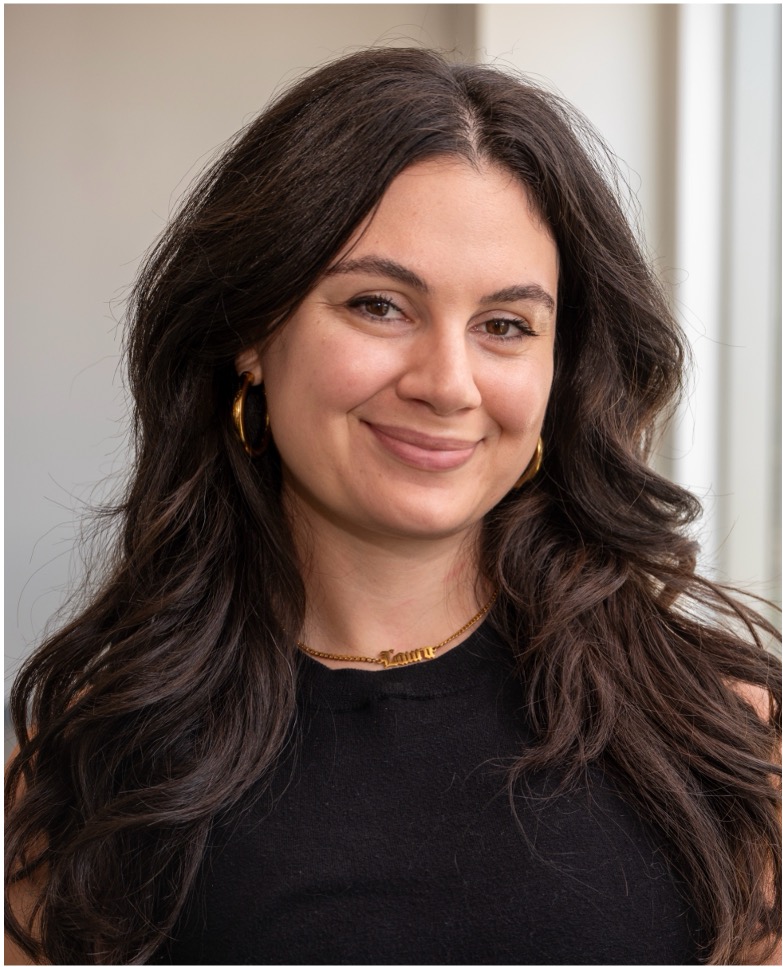
Laura A. Baehr, PT, DPT, PhD
Laura A. Baehr, PT, DPT, PhD is a clinician-scientist accelerating empowerment, access and equity in community-based physical activity programs for people with disabilities and chronic health conditions. She is informed by her interdisciplinary trainings in rehabilitation science, physical therapy and dance to center evidence-based interventions on the lived experience of the individual. Laura earned her PhD in Health and Rehabilitation Science from Drexel University, Doctor of Physical Therapy (DPT) from Temple University and dual Bachelor of Arts and Sciences in Dance and Neuroscience from Muhlenberg College. Laura’s research leverages community-engaged practices, mixed methodology, digital health and social networking principles. She is funded by the Department of Defense, the Arthritis Foundation, and the Clinician Scientist Transdisciplinary Aging Research Network (Clin-STAR NIH/NIA #U24AG065204).
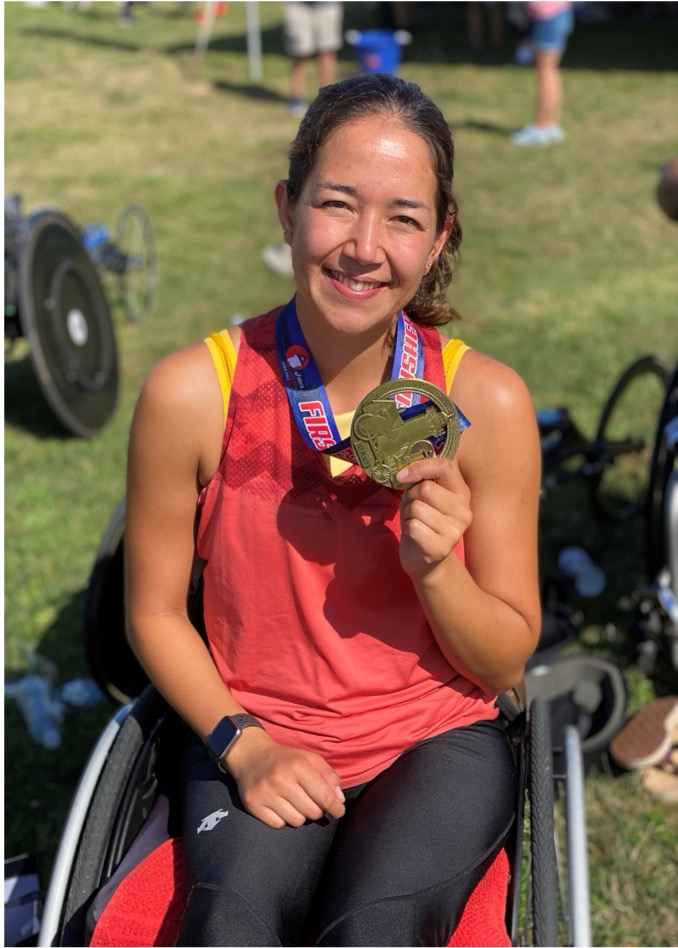
Emelia Perry, MOT
Emelia Perry, MOT graduated from Temple University in 2021. She worked at a mental health hospital after graduating, and with Drexel University for this research study. The last few years she has been training full time for paratriathlon and paracycling, getting second place at world championship for both events.
June Maloney, PT, DPT
June Maloney, PT, DPT is a graduate of the Drexel University Doctor of Physical Therapy (DPT)Program, Class of 2022. She joined the Tele-Exercise to promote Empowered Movement in individuals with Spinal Cord Injuries (SCI) [TEEMS] team in 2022 as a Co-Leader of virtual group exercise classes. She is a practicing physical therapist (PT) at a nationally ranked acute inpatient rehabilitation facility. June is experienced in treating patients with subacute and chronic SCI, including provision of seated mobility system evaluations for partial and full-time new wheelchair users. June is dedicated to working with people with SCI in the PT-setting; however, her ability to facilitate lasting benefit is most impactful when she encourages regular, lifelong exercise participation and convenient physical activity routines and habits. June is not living with SCI; however, she enjoys learning of different challenges, personal triumphs, and unique mobility-needs and abilities directly from persons with SCI-lived experience. June is looking forward to future endeavors of TEEMS team as the program continues to grow and evolve for the promotion of lifelong exercise and wellbeing in the SCI community.
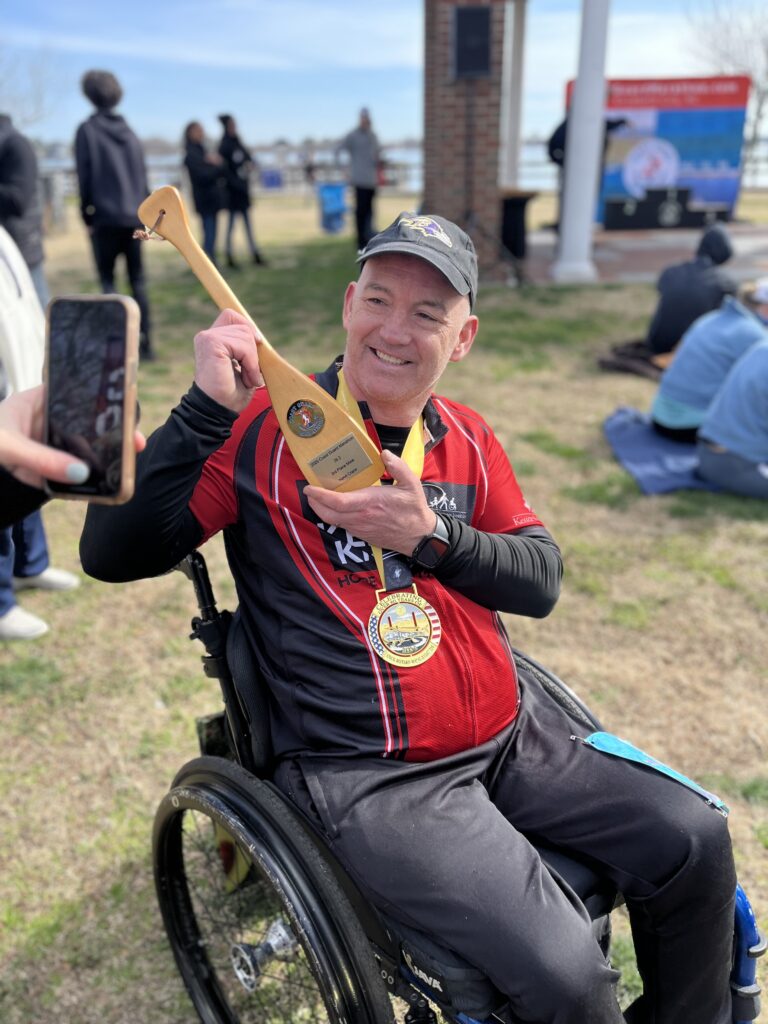
James Morrison
James Morrison is a 26-year veteran of the Baltimore County Police Department and Retired 1SG from the Maryland Army National Guard. He has a background in instructing physical fitness lessons during his service in the Army National Guard. He continued his fitness instruction through the Baltimore County Police Academy when he was assigned to the training academy in 2013. In 2015 he had a motorcycle accident leaving him paralyzed from the chest down. James joined Drexel University’s team in 2021. He enjoys hand cycling marathons and is working on getting into the Para CrossFit games.
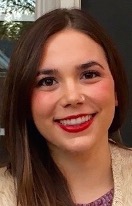
Martha Childress, OTD, OTR/L
Martha Childress, OTD, OTR/L, is an occupational therapist residing in South Carolina who brings both professional expertise and personal insight to her work. After sustaining a spinal cord injury more than 12 years ago, she developed a strong commitment to disability research and advocacy. Martha is driven to improve access to services, elevate disability awareness, and contribute to a more inclusive world through her clinical practice and scholarly work.
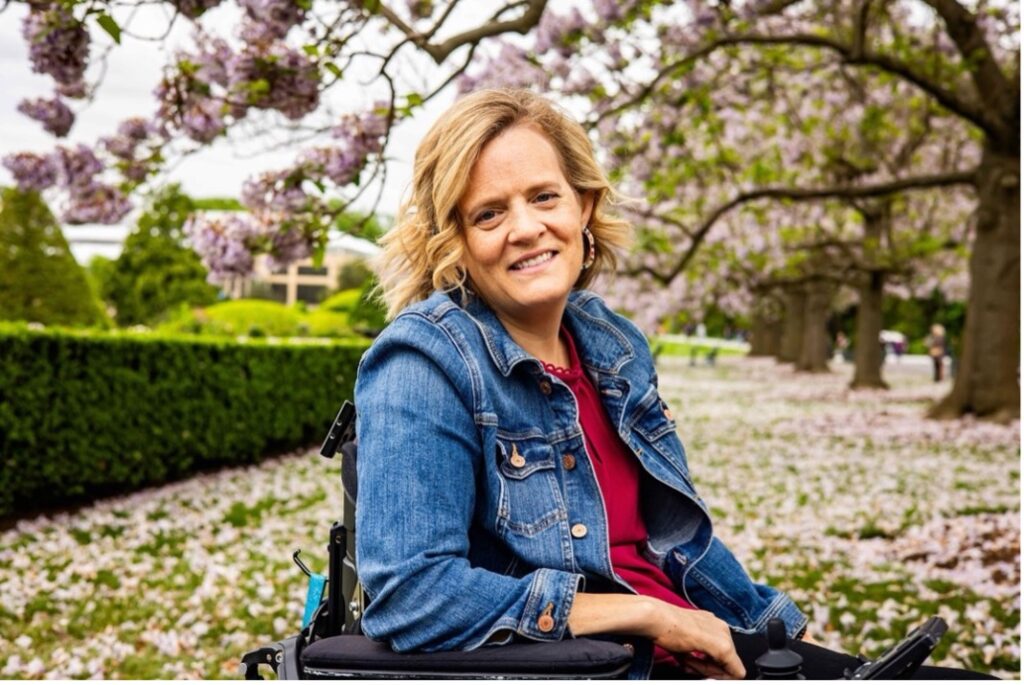
Katie Samson, CAPS
Katie Samson, CAPS is an educator, disability self-advocate, and storyteller who works in the intersection of accessibility and solidarity online and in public spaces. She is the Senior Director of Education at Chax Training and Consulting and Co-Host of the Article 19 podcast. Previously, Katie developed and led a national professional development and consulting department at Art-Reach, where she trained and mentored in best practices for accessibility through an intersectional lens.
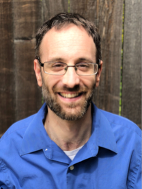
Ross Newton, PhD
Ross Newton, PhD contributes to the TEEMS project through his expertise in qualitative research methods and disability history and longstanding interest in exercise and sports. He was a participant in the initial feasibility pilot of TEEMS and is a co-author on our preliminary work. Ross has over twenty years of lived experience with spinal cord injury. He earned a B.A. from Hampshire College, a Ph.D. in History from Northeastern University, and an Ed.M in Social Studies Curriculum and Instruction from Boston University. He has twenty years of teaching experience and currently teaches history at a public special education high school in western Massachusetts. He contributes to Emerging America’s Reform to Equal Rights: K-12 Disability Curriculum, and to workshops, conference panels, and graduate courses on teaching disability history, supporting students with diverse learning needs, and diversity equity and inclusion.
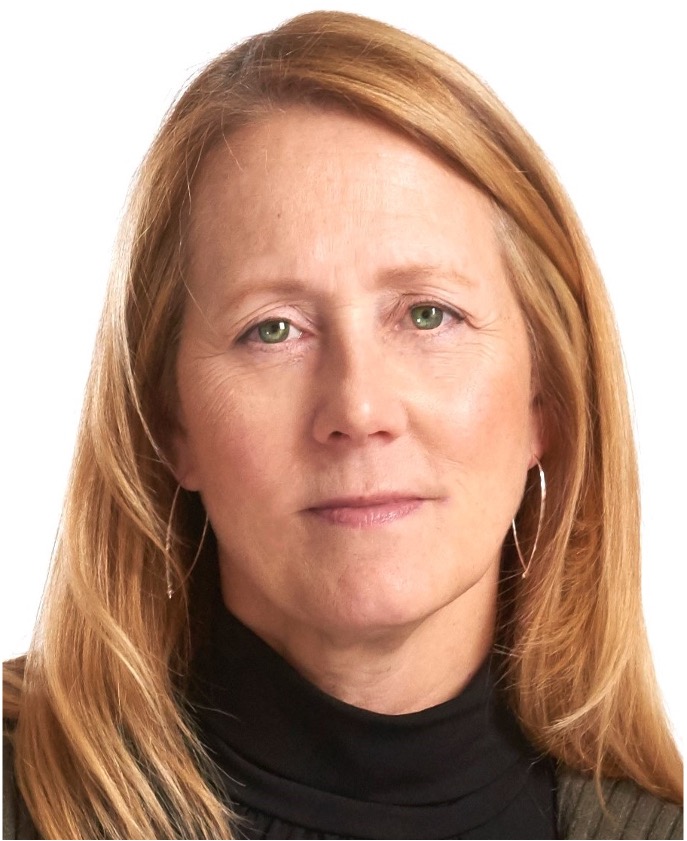
Margaret Finley, PT, PhD
Margaret Finley, PT, PhD is chair of the Department of Physical Therapy and Rehabilitation Science. She earned a PhD in Rehabilitation Science from the University of Maryland, Baltimore, MD. Dr. Finley’s research has strongly relied on biomechanical analyses of human dynamics in functional activities, translating scientific innovation into clinical practice. Her interest is accessible and inclusive physical activity programs to mitigate physical and psychosocial secondary conditions in individuals with chronic mobility impairments, activity and participation limitations. Employing quantitative, qualitative and mixed methods, she utilizes lived experience perspectives and identifies needs regarding physical activity and community engage of individuals with SCI. Currently her lab, the Neuromotor Activity, Participation and Health (NAPH) is developing accessible, inclusive physical activity programs to address cardiometabolic factors, psychological factors, social factors and activity engagement to mitigate the long-term adverse effects of inactivity in people with disabilities. She has had ongoing funding and is currently funded by a Department of Defense Clinical Trial Award and a Department of Defense Clinical Translation Trial Award, the Craig H. Neilsen Foundation Psychosocial Portfolio and the Pennsylvania Department of Health SCI Research Platform.

This work is licensed under a Creative Commons Attribution 4.0 International License.