

A Token Presence: Navigating Underrepresentation in Physical Therapy
Table of Contents
In 2023, the American Physical Therapy Association (APTA) report entitled “A Physical Therapy Profile: Demographics of the Profession, 2021-2022” revealed that non-White physical therapists (PTs) make up less than 17% of the profession—an increase of approximately 5% from 2017.1 This slow growth underscores the ongoing racial and ethnic disparities in physical therapy, with Black men remaining significantly underrepresented (less than 2%). Despite increasing conversations about diversity in healthcare, policy shifts—such as the elimination of affirmative action and DEI programs—pose a risk to even this modest progress.
As a Black male physical therapist, my initial reaction to the workforce report was disbelief: “We still represent less than 2%? How is that possible?” As someone who has personally seen the impact that representation can have on patients and students, it’s disheartening to realize that systemic barriers continue to block our presence in the profession. In 2025, that disbelief has deepened into concern with the current administration and the accompanying budget cuts to education. From my perspective in academia, consequences like halted funding and the politically driven downscaling of DEI efforts force me to wonder about the ripple effect that could harm the future of our profession. But my thoughts quickly shifted beyond the statistics and toward the real story that lies within our lived experiences.
Motivations and Momentum
This reflection is rooted in my own journey to becoming a physical therapist. As a student, I first began to notice the stark discrepancy in representation. I remember attending a local physical therapy conference in Georgia, hopeful that I would meet colleagues whose experiences mirrored my own. As I looked around, dismayed in the absence of familiarity and representation, I thought to myself: “Maybe this is just a regional thing. Perhaps Black men here are simply choosing other paths.” But that hope faded when I attended my first national conference, where the lack of representation became even more apparent. It was then that I fully understood how rare my presence was—not from the viewpoint of simple numbers and statistics, but by recognizing the way it affects patients and individuals considering the profession who identify as part of a minority group.
Fast forward to today: in my role as a professor in a Doctor of Physical Therapy (DPT) program at a historically Black university, I am witnessing the profound impact of representation within the academic realm of the profession. For many of my students, it is the first time they have seen someone who looks like them in this role. That moment of recognition often sparks a deeper confidence2—a sense that they, too, belong in this profession. It is a daily reminder of why I chose this path because representation is more than visibility; it is a catalyst for possibility. When students see themselves reflected at the front of the classroom, they begin to imagine themselves leading clinics, conducting research, and shaping the future of physical therapy—a vision I never experienced when I was a student.
What inspired me to write this piece was the realization that while diversity in physical therapy is often talked about, we rarely center the voices of those living the reality of being “the only one in the room.” To change that, I turned to Melanated Men in Physical Therapy—a group text messaging forum where more than 280 individuals in the field who identify as men of color openly share professional victories, frustrations, and survival strategies. After reading the APTA report, I asked the group if they had seen it and what their perspectives were on the data. Several individuals (18 therapists and students) offered reflections on meaningful lived experiences through raw honesty and candid conversation. The opportunity to explore these stories and descriptions through my own narrative-informed reflection has been a powerful tool to understand lived experiences and deepen both my personal and professional insights. This initial process of informal narrative exploration has since ignited a passion within me for conducting more formal qualitative research in this area. For me, what emerged from these conversations were complex themes of both underrepresentation as well as resilience, profound struggles and moments of hope, and ultimately, a call to action for transformative change in our profession.
Centering the Stories of Men of Color in PT
One colleague recalled patients repeatedly telling him that he was the first Black male physical therapist they had ever seen. Another recalled his early clinical experiences and the moment he realized how demographically homogenous his clinical instructors had been—all three were White men. The tone in many of the shared reflections contained a mix of resignation and determination—a resignation to the reality that progress in diversity and representation within the profession remains painfully slow, and a determination to continue pushing forward, advocating for improvements in these areas, despite the current state.
There were also stories that carried a deeper emotional tone—illustrating moments of paradoxical hypervisibility and invisibility. One clinician described working in a clinic during the time of protests occurring in response to the murder of George Floyd, when insensitive jokes about the matter from management and patients went unchecked. Working in an environment where someone was making light of a disturbing incident was an experience that left him feeling offended, and alienated – “It was at that moment I realized I was just another body/number.” He left that job shortly thereafter. A student shared the pain of experiencing a patient preferring that the clinical instructor treat her, not because the student lacked skill, but seemingly because of his race—even after she had seen him competently treat many other patients. He said it “made me question my value as a future clinician”.
At times hypervisibility was experienced in more subtle ways. One member speculates that, for many of his students, he may be the first Black professor—and possibly first non-White educator—they have encountered. Remaining in the classroom, one student contributor recalled being singled out during a lecture on disease prevalence – “I was the only Black person in my cohort and it seemed like my classmates looked to me to have the first word. I felt like I was representing ALL Black people.” These moments underscore less obvious instances of pressure and isolation that their White counterparts are less likely to face.
However, there were also moments of connection and pride that the men shared. Several spoke about the joy of seeing patients light up when they recognized themselves in their therapist – “I’ve been blessed to see so many aunties’ and uncles’ faces light up when they see I’m their PT… I’m honored to be an easy source of trust.”
Others shared the sense of responsibility and fulfillment when mentoring younger students who were encouraged simply by the presence of male therapists of color. “I have consistently found it easy to seek out mentorship… Their encouragement and expertise have significantly enhanced my learning experience,” one peer said. Another added, “It’s hard to find mentors, but the ones you do find, you keep for life.”
Invitations to take on leadership roles and to engage in community events led to increased visibility in professional spaces and often brought unexpected opportunities to influence and inspire.
Carryover to the Classroom
It is these untold stories, along with my lived experience, that deeply influence how I teach. For example, I weave discussions about representation, systemic bias, and the meaning behind demographic statistics throughout my courses with intention. These topics are not just abstract concepts; they are real challenges and opportunities that will shape my students’ careers and how they engage with the patients they will encounter.
Outside of discussion, I sensitize my students to the issue of the physical therapy workforce in the U.S. not reflecting the diversity of the population it serves, and how this lack of representation trickles down into the profession, influencing the biases we see in research, clinical practice, and educational resources. I illustrate how biases are present in our textbooks—for example, the absence of diverse images representing patients from different racial and ethnic backgrounds. I also incorporate case studies featuring patients across a wide range of races and ethnicities, giving students opportunities to develop cultural humility and challenge assumptions. Through embedding this awareness and level of critical thinking into many facets of learning, I prepare my students not only to provide excellent care but also to recognize inequities and advocate for change within the profession.
Conclusion & Action Plan
The pathway into physical therapy remains narrow for men of color, especially Black men. To address the underrepresentation of men of color in physical therapy, we must understand the systemic barriers limiting entry. According to the APTA, key factors include the prohibitive cost of education, limited exposure to the profession in minority communities, and implicit biases in admissions.¹ These factors not only affect who enters the profession, but also who stays.
Babl emphasizes that students from historically marginalized backgrounds are increasingly seeking guidance on how to navigate the journey into and within the profession—from identifying educational pathways and securing observation hours to understanding application processes and developing realistic financial plans.3 Without intentional, accessible support structures, these students face barriers that have little to do with ability and much to do with access. The consequence is not just missed opportunities for individuals, but a continued loss of talent and perspective for the profession as a whole. We risk losing capable, motivated students with genuine interest and potential simply because no one was there to open doors, provide direction, or advocate for their success.
To make meaningful change, the profession must invest in organizations like the National Association of Black Physical Therapists (NABPT). NABPT exists to serve and support underrepresented minorities in physical therapy—providing mentorship, advocacy, networking opportunities, and culturally responsive resources that address the unique challenges these communities face.4 Its programming engages students as early as secondary school, sparking awareness of physical therapy as a viable and rewarding career path long before the college application stage. By cultivating early interest, offering professional development, and fostering a sense of belonging within the field, NABPT has a documented influence that extends beyond recruitment.
If the 2028 report were to show minimal growth of men of color in the profession, I would pivot my approach—shifting from raising awareness to taking direct action by strategically leveraging my position to bridge students to the profession. A 2003 study by Moore et al. suggests that local recruitment, early engagement, and collaboration with current underrepresented students can significantly improve representation.5 Building on this evidence, I would aim to establish targeted outreach programs through grant-supported efforts. I would focus on connecting Historically Black Colleges and Universities (HBCUs) without existing DPT programs directly to the profession through intentional partnerships. Such a program would include on-campus presentations, interactive workshops, and networking events that feature practicing physical therapists from various backgrounds. These encounters would not only expose students to the academic and professional pathways in physical therapy but also help them visualize themselves in such a role. These efforts may finally move the needle in ways that statistics alone cannot.
About the Author
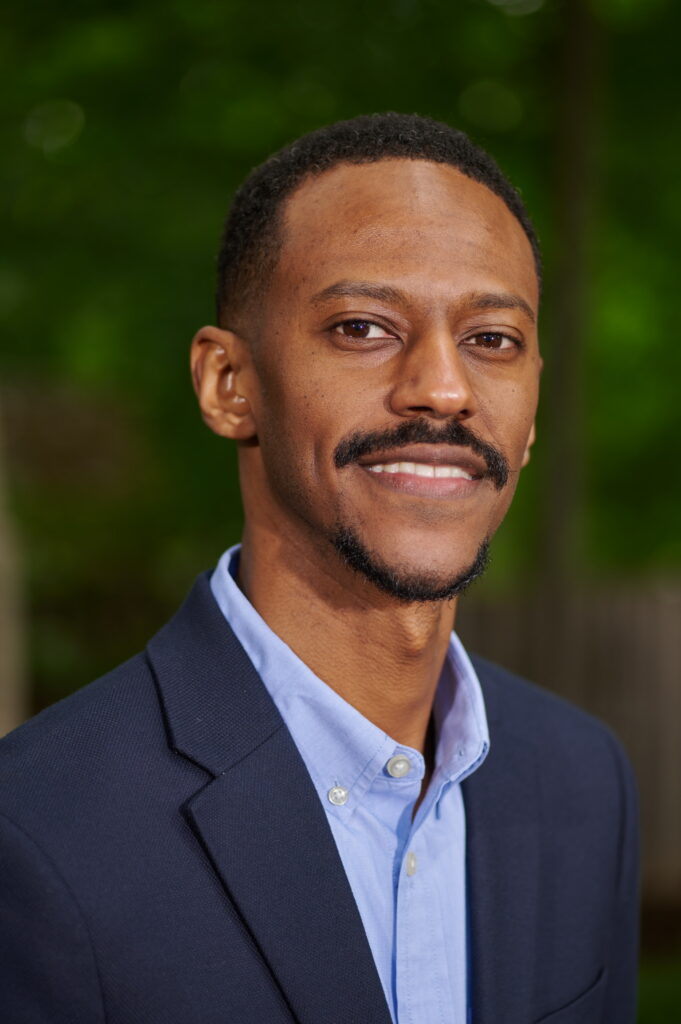
Michael T. Robinson, PT, DPT, DHSc
Michael T. Robinson, PT, DPT, DHSc is an assistant professor in the Doctor of Physical Therapy (DPT) Program at Howard University and a board-certified orthopaedic clinical specialist. Dr. Robinson’s scholarly interests include skin cancer screening in physical therapy practice, educational innovation in rehabilitation sciences, and the lived experiences of underrepresented groups—particularly men of color—within the profession. He serves as a founding board member and Membership Committee Chair of the National Association of Black Physical Therapists (NABPT), where he supports initiatives focused on professional belonging, leadership development, and workforce diversity.

This work is licensed under a Creative Commons Attribution 4.0 International License.