How Individuals with Disabilities Experience Therapeutic Alliance in Physical Therapy: A Qualitative Analysis

doi: 10.18737/0607634892

AMA Citation: Michel AR, Maguire SA, Kennedy W, Taylor L, Bui-Tran B, Kenney L, Shibuya M. How individuals with disabilities experience therapeutic alliance in physical therapy: a qualitative analysis. J Hum Rehabil. 2026;Spring. doi:10.18737/0607634892.

Amanda Michel, PT, DPT & Stacey Maguire PT, DPT, PhD, NCS & Winston Kennedy, PT, DPT, PhD, MPH & Britney Bui-Tran, PT, DPT & Lauren Kenney, PT, DPT & Libby Taylor PT, DPT & Miki Shibuya, PT, DPT

Table of Contents

Abstract

Introduction: Therapeutic alliance (TA) has been shown to enhance client experience in healthcare; however, it is often overlooked. There is limited research investigating TA in physical therapy centered on disability, which may explain the stagnation of progress in enhancing quality of care for individuals with disabilities (IWDs). The objective of this research is to explore the perceptions and experiences of IWDs regarding treatment by a physical therapist (PT) with a disability to establish an empirical foundation of TA within physical therapy, centered on disability.

Method: Three focus groups were conducted via Zoom. Participants were asked about their experiences with physical therapy and the perceived impact of being treated by a PT with a disability. A qualitative analytical approach combined evidenced-based qualitative strategies to engage in interpretive inductive phenomenological thematic analysis.

Results: Thirteen participants with varying disabilities were included in the focus groups. Ages ranged from 25 to 69 years. Most participants identified as Black or African American. Four themes emerged from the focus groups: 1) impact of disability; 2) experiences with physical therapy; 3) Perception of PTs with a disability; 4) relationships.

Conclusion: Participants reported that a shared identity of disability positively impacted TA, which they believed improved their health outcomes. Results highlighted the importance of increasing representation of PTs with disabilities across physical therapy settings. Additionally, participants reported disabled PTs demonstrated an enhanced understanding of the experience of disability, which allowed for positive interactions impacting patient motivation and confidence in their provider, leading to improved outcomes.


Introduction

Physical therapy is integral to the care of individuals with disabilities (IWDs) across the lifespan. IWDs are the largest “minority” group in the United States, with one in four (27%) adults identifying as having a disability.1 As activist Alice Wong (2020) articulates:

“To me, disability is not a monolith, nor is it a clear-cut binary of disabled and nondisabled. Disability is mutable and ever-evolving. Disability is both apparent and nonapparent. Disability is pain, struggle, brilliance, abundance, and joy. Disability is sociopolitical, cultural, and biological.”2

Disability scholars further emphasize that disability is a fluid term, shaped by diverse experiences and meanings that change based on context, culture, and individual identity.3 For the purposes of this study, we allowed participants to self-identify as having a disability based on what disability means to them. We define disability as a chronic health condition that can impact function, and acknowledge that it is a limiting definition. In juxtaposition to disability, we classify individuals whose functional abilities allow them to participate fully in social roles as non-disabled.

Despite regular interactions with IWDs, the proportion of physical therapists (PTs) that identify as having a disability is unknown. Underrepresentation can be inferred through the demographics of the physical therapy student population, where only 5% of physical therapy students in the United States (US) reported having a disability.4 Recent scholarship has noted that IWDs are rarely involved in the provision of physical therapy services and education.5 This lack of representation can lead to decreased interaction between disabled and non-disabled students on a peer-to-peer level, and establishes the norm of non-disabled clinicians solely interacting with disabled individuals in a clinical, and potentially paternalistic, provider-to-patient manner.

A 2017 systematic review found that PTs, among other health professionals, hold the same level of implicit bias toward IWDs as the general population.6 Since then, other studies have demonstrated that PTs continue to hold implicit biases toward IWDs.7,8 This pattern reflects what researchers characterize as aversive ableism, where well-meaning individuals with low explicit but high implicit bias toward people with disabilities may unknowingly engage in discriminatory thoughts or actions, particularly in situations where their prejudice is less overtly evident.7 These implicit biases could potentially be decreased through increased contact with IWDs outside of clinical contexts, given that contact with IWDs may be able to promote more favorable attitudes surrounding disability.9,10

However, underrepresentation of PTs with disabilities may negatively impact non-disabled clinicians’ attitudes toward IWDs due to their lack of meaningful contact prior to clinical practice. Although well-intentioned, a majority non-disabled clinician population can potentially contribute to inconsistencies between the goals of the clinician and those of the patient regarding management of their disability.5,11

Successful PTs improve functional outcomes and create a strong working relationship, or therapeutic alliance (TA), with their patients. TA, defined as a mutual working relationship between patient and clinician,12 is pivotal when providing care for IWDs in physical therapy practice. When a patient trusts their clinician and feels empowered to advocate for their own care in a psychologically-safe environment, their self-confidence and intrinsic motivation increase, and healing becomes a collaborative process.12,13 Research has suggested that TA between patients and physical therapists predicts functional outcomes during routine care, extending findings from controlled studies into typical practice settings.14

Among the many attributes of a successful TA, shared identity between patients and clinicians may strengthen their relationship. This shared identity can consequently improve patient outcomes, as evidenced by more frequent engagement in preventative treatments among patients who share the same race and gender as their clinician.15 Social concordance, which encompasses shared characteristics between patients and providers, is associated with increased patient satisfaction and positive perceptions of care.16 Similarly, the peer support group Autistic Doctors International reports frequently receiving requests from autistic patients inquiring about receiving care from autistic doctors.17 Given the scarcity of PTs with disabilities, IWDs rarely have the opportunity to work with clinicians who share their disability experience, limiting the potential for a shared identity in this crucial aspect of their lives.

In somewhat recent years, the profession of physical therapy has adopted the International Classification of Functioning, Disability and Health (ICF) model as the foundational approach through which to provide care. One of the touted benefits of this model was that it represented a “biopsychosocial” framework (incorporating personal and contextual factors as well as a focus on participation). However, the framework continues to be critiqued by Disability Studies scholars who point out that certain aspects and interpretations of the ICF model continue to reinforce inherent ableist attitudes and practice in healthcare.18–21 Critiques include that the ICF maintains a normate subject at its center, inadequately addresses agency and choice, and fails to sufficiently incorporate the social and political dimensions of disability.22 While the ICF was developed to shift away from the dichotomy between medical and social models, alternative frameworks have also emerged, including the capability approach, human rights model, and relational models of disability that prioritize individual agency and societal responsibilities.18

The ICF may not have been as big a shift away from the biomedical model of disability, which identifies disability as a condition in which there is a deficiency that is inherently abnormal and pathological.9 This view is rooted in ableism, defined as discrimination against disabled individuals due to a hierarchy that places worth on an individual’s body and mind based on societal norms.16 Within the medical model of disability, the physical therapy profession has emphasized limiting the extent of disability in the pursuit of “normal” movement, rather than accepting differences or addressing environmental constraints as a cause of impaired function. Although clinicians may be well-meaning, this inherently ableist framework may impact a PT’s ability to deliver appropriate patient-centered care and establish a strong therapeutic alliance with disabled patients.9 To date, there has been no research that has investigated the experiences of IWDs being treated by a PT with a disability, leaving a gap in the literature regarding TA and social concordance within disability. This study aims to address gaps in the research literature by examining the perceptions of individuals that identify as disabled regarding TA with their disabled and/or nondisabled PTs.


Methods

This study was approved by an Institutional Review Board (IRB). A qualitative approach through focus-group interviews was utilized to examine the TA between patients with disabilities and PTs with or without disabilities. Focus groups were selected over individual interviews to facilitate a synergistic discussion, allowing participants to compare and contrast their experiences with physical therapy. This format is particularly effective for exploring shared identity and social concordance, as the group dynamic can highlight collective perceptions that may not emerge in individual settings.23 Participants were included if they reported having a disability, were 18 years or older, and received care from a physical therapist. The initial phase of recruitment was done through email distribution to organizations and clinics in the US that offer services for people with disabilities, including the Multiple Sclerosis Society and the American Physical Therapy Association Disability Justice and Anti-Ableist Catalyst Group. These organizations were asked to further distribute information about the study to program participants. Snowball sampling was used for additional participant recruitment with physical therapy clinics who employ PTs with disabilities.


Data collection

Before participation in the focus group, informed consent and demographic information including age, gender, education, racial/ethnic identity, disability type (Psychological/Mental Health, Mobility, Hearing, Vision, Learning, Speech/Voice), and time since disability onset were obtained via an electronic Google Form questionnaire. Participants were then scheduled to participate in 1 of 3 focus groups based on availability. The groups were audio and video recorded and transcribed through Zoom for data analysis. Additional consent was obtained for audio and video recording.

Focus groups consisted of 5 to 7 participants with 3 facilitators guiding the discussion. Groups lasted 60 to 90 minutes. A semi-structured interview guide was developed by the research team based on a review of literature and screened by experts in disability health; rehabilitation; and diversity, equity, and inclusion. Participants were asked about their experiences with physical therapy and the impact of working with a PT with a disability. For example, questions may have included:

  • “What are your thoughts on PTs who have disabilities?”
  • “What effects would they have, if any?”
  • “What effect would a PT having a disability have on care for a person with a disability?”


Data Analysis

Two researchers involved in the study were trained in phenomenological thematic qualitative analysis. Phenomenological thematic analysis seeks to understand the lived experiences of phenomena.24 Training consisted of supplemental videos, readings, and participation in a practice focus group with completion of phenomenological thematic analysis. Training also consisted of 2 meetings with trained research advisors to discuss coding and thematic analysis and receive additional guidance and feedback.

Qualitative data was analyzed following the 6 steps outlined by raun and Clarke (2006).25 Excerpts of transcripts were extracted into codes, which were then grouped into categories.15 Ultimately, categories were collapsed into themes. Data collection and analysis were conducted concurrently. Theoretical saturation was determined when subsequent coding of the final group transcripts yielded no new themes or sub-themes, confirming that the sample size was sufficient for the scope of the inquiry. Reflective analysis of memos recorded during the focus groups was also done to ensure that coding was accurate and representative of participants’ perspectives.

Analysis included 3 coding passes and discussion within the research group. Coding researchers met with focus group researchers after the initial pass of coding to ensure accuracy before completion of line-by-line coding. Discrepancies were identified and addressed through discussion with the research team.


Positionality Statement

The lead author is a physical therapist with multiple disabilities who works with IWDs and was raised by a person with a disability. The co-authors are physical therapists and/or physical therapy educators. One co-author has experience in disability research. None of the co-authors identify as having a disability, but 5 have family members or close friends with disabilities. All co-authors have worked with IWDs. Some authors identify as members of other marginalized groups, which may influence feelings of community with marginalized groups in general. The lead author’s experience has driven this line of research, and the co-authors serve as critical peers who question the interpretation of the data because of the lead author’s personal experience as an individual with disabilities.


Results

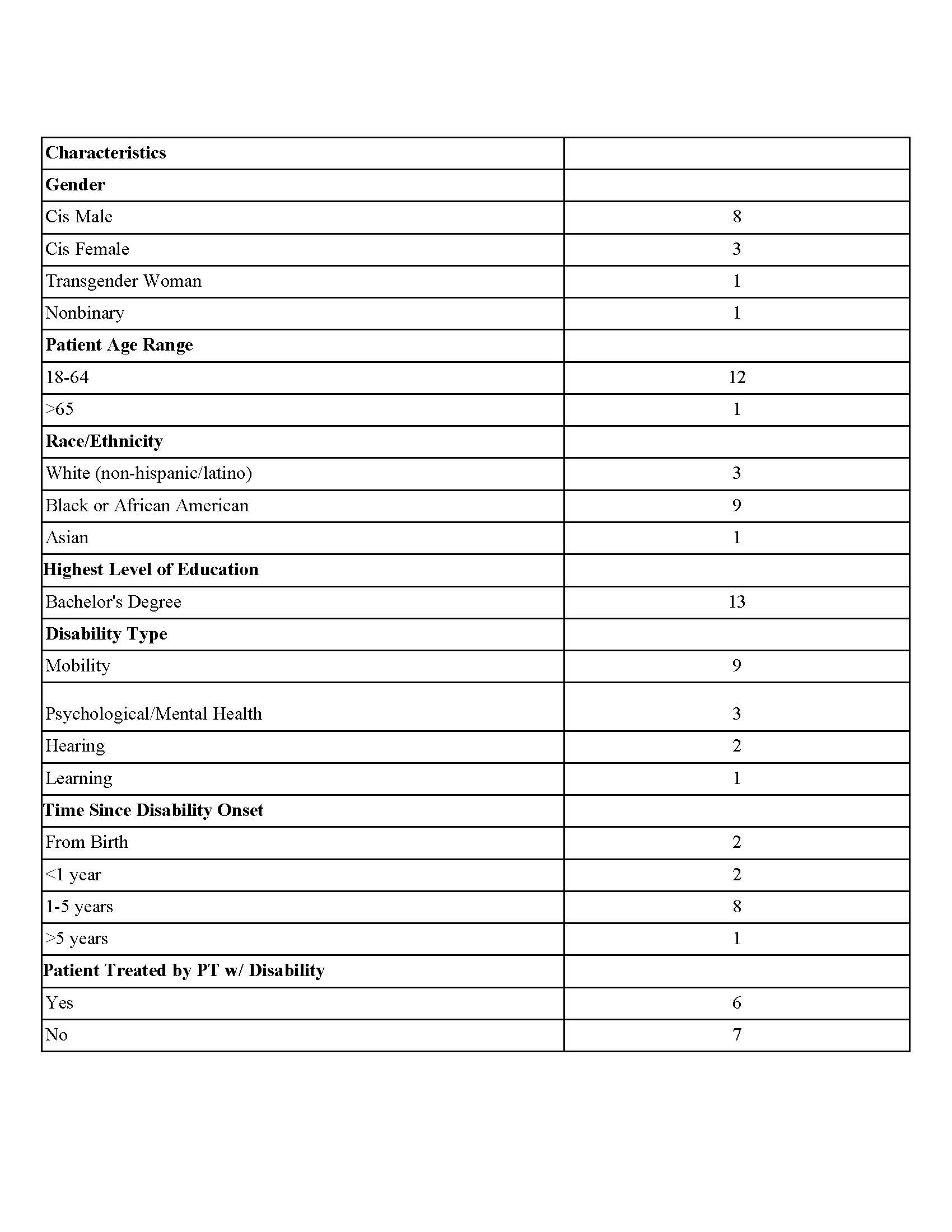
Forty-one participants completed the electronic questionnaire. Of these, 21 participants were scheduled for one of the 3 focus groups based on availability. Twenty were unable to be scheduled due to lack of response with scheduling requests or scheduling conflicts. Thirteen participants contributed to focus group discussions. Eight did not participate due to dropping out, failing to attend their assigned focus group, failing to sign the consent form, or attending the focus group without participating in discussion. Of the 13 that participated, 6 reported being treated by a PT with a disability. Table 1 includes participant demographics.

Participants identified with a wide range of disabilities, with the most common being mobility impairments (n=9), followed by psychological/mental health (n=3), hearing (n=2), and learning (n=1). Some participants indicated multiple categories of disability.

(Note: Person-first and identity-first language will be used interchangeably throughout analysis to reflect the diversity of language preferences within the disability community).


Table 1: Demographics


Participant perspectives on disability and therapeutic alliance revealed 4 major themes.

  1. Impact of disability, where participants elaborated on 4 sub-themes including: positive and negative impacts of being disabled, identity, and the impact of an acquired disability on self and family.
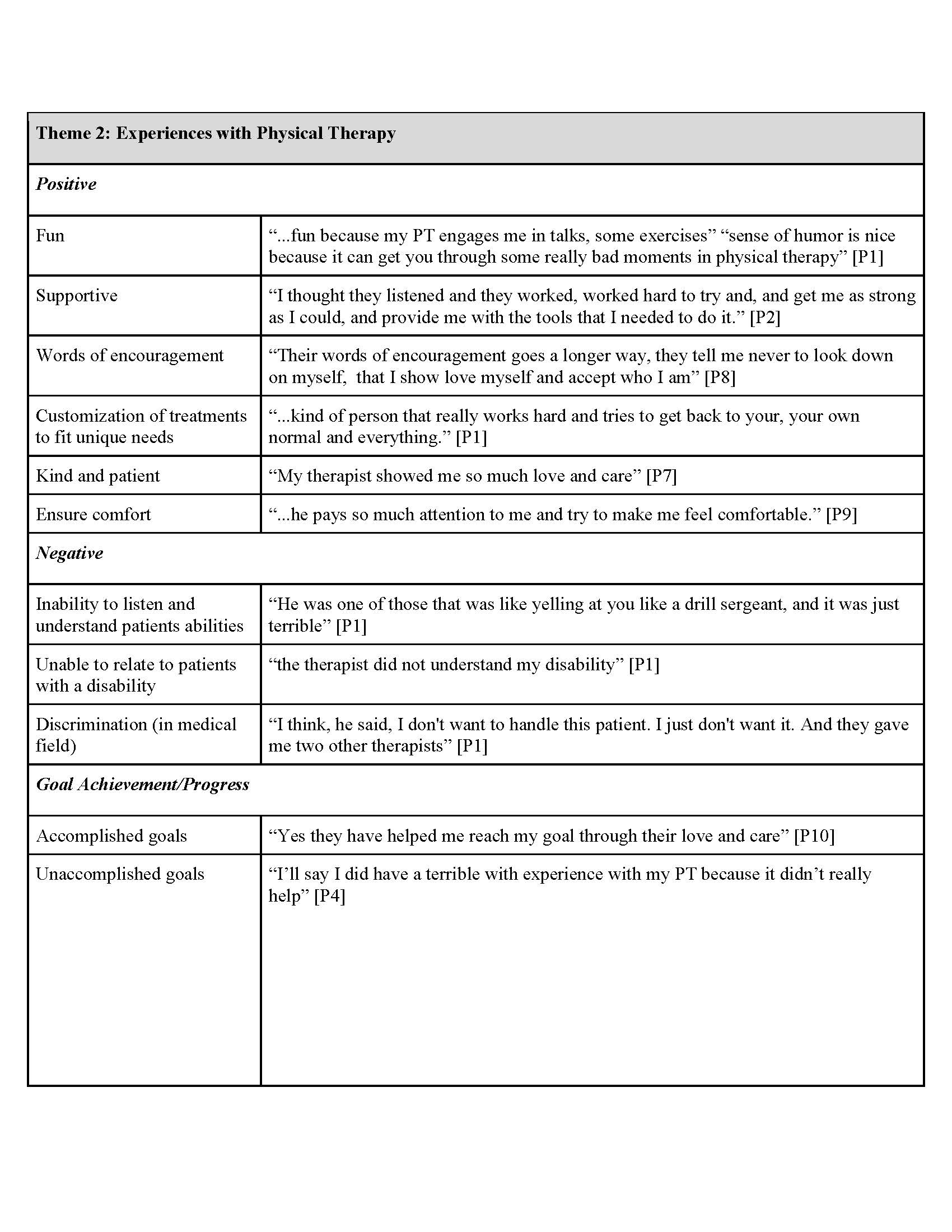
  2. Experiences with physical therapy, where participants shared both positive and negative experiences, as well as perceptions of goal achievement and progress.
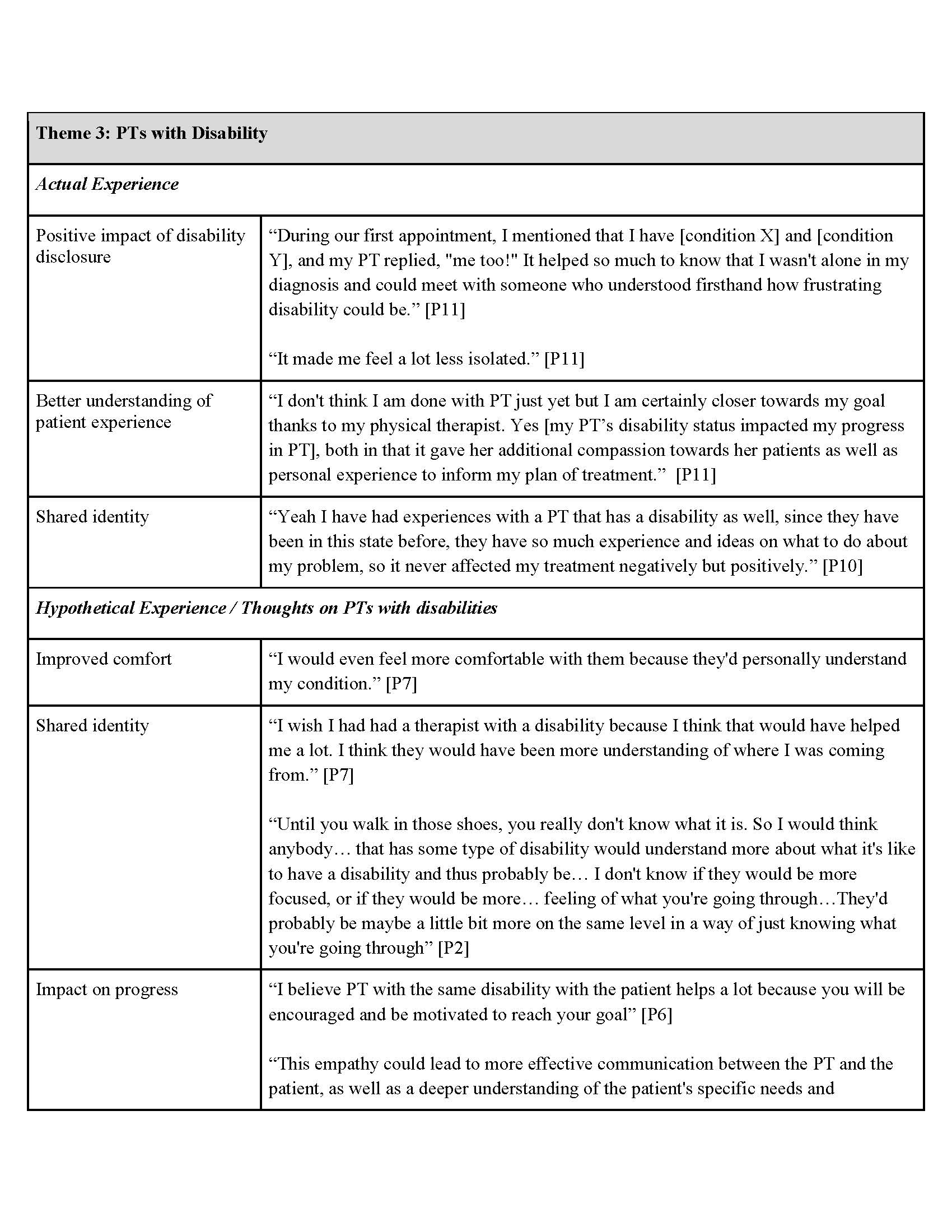
  3. Perceptions of PTs with a disability, where participants described the perceived impact of a PT’s disclosure of their disability on therapeutic alliance and the overall physical therapy experience. They also distinguished physical and societal barriers faced by people with disabilities becoming PTs.
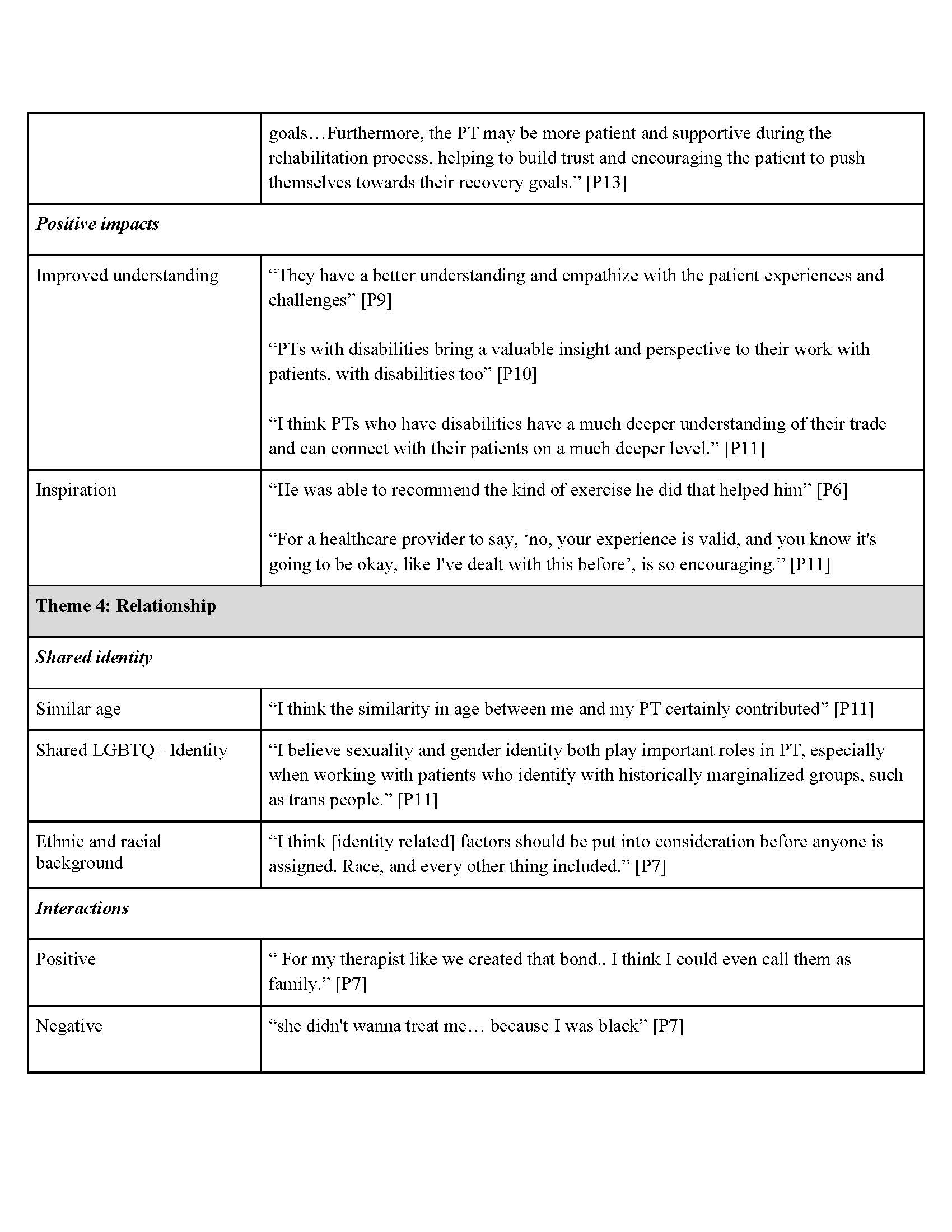
  4. Relationships, where participants identified sub-themes of shared identity and interactions.
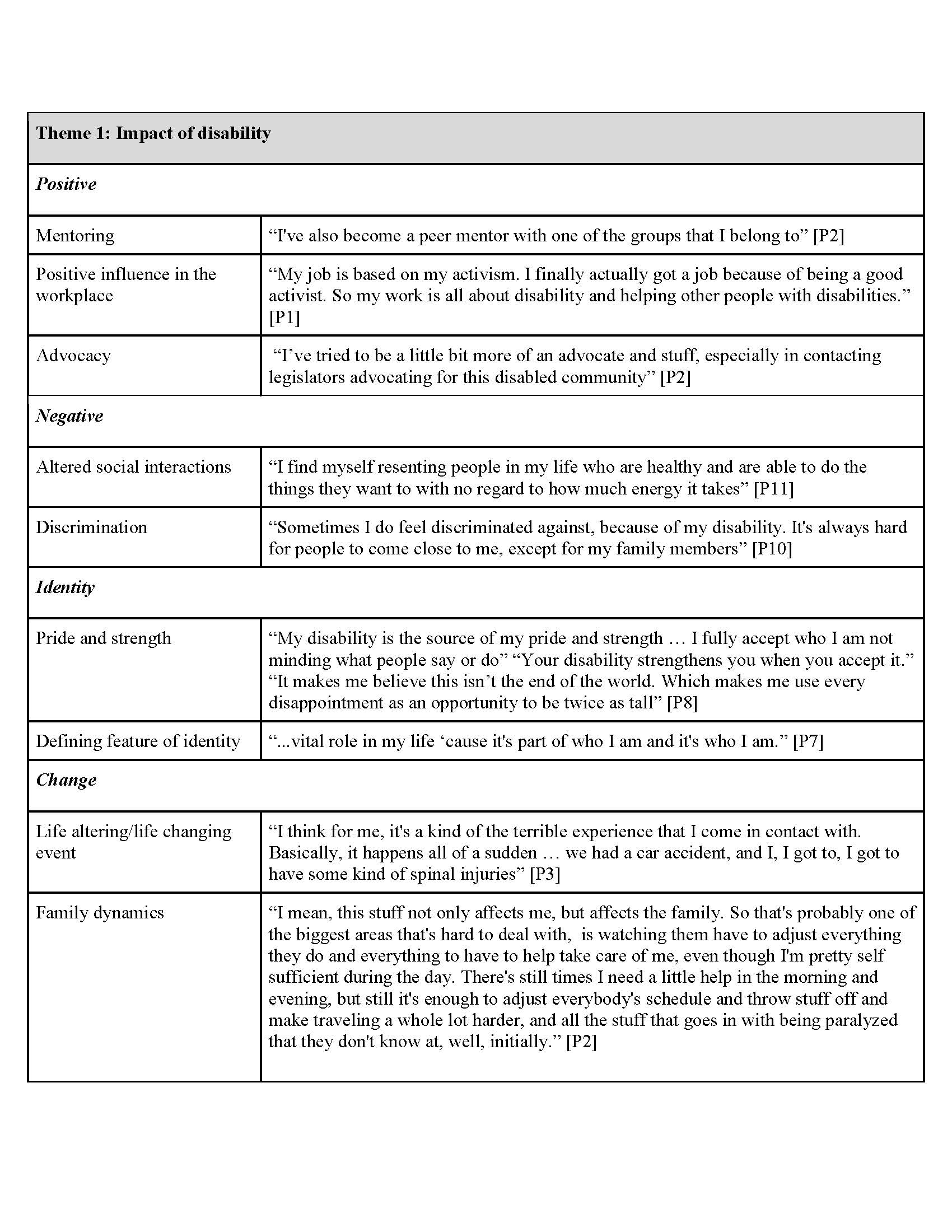
Table 2: Themes and Sub-themes
Table 2 Cont. Themes and Sub-themes
Table 2 Cont.: Themes and Sub-themes
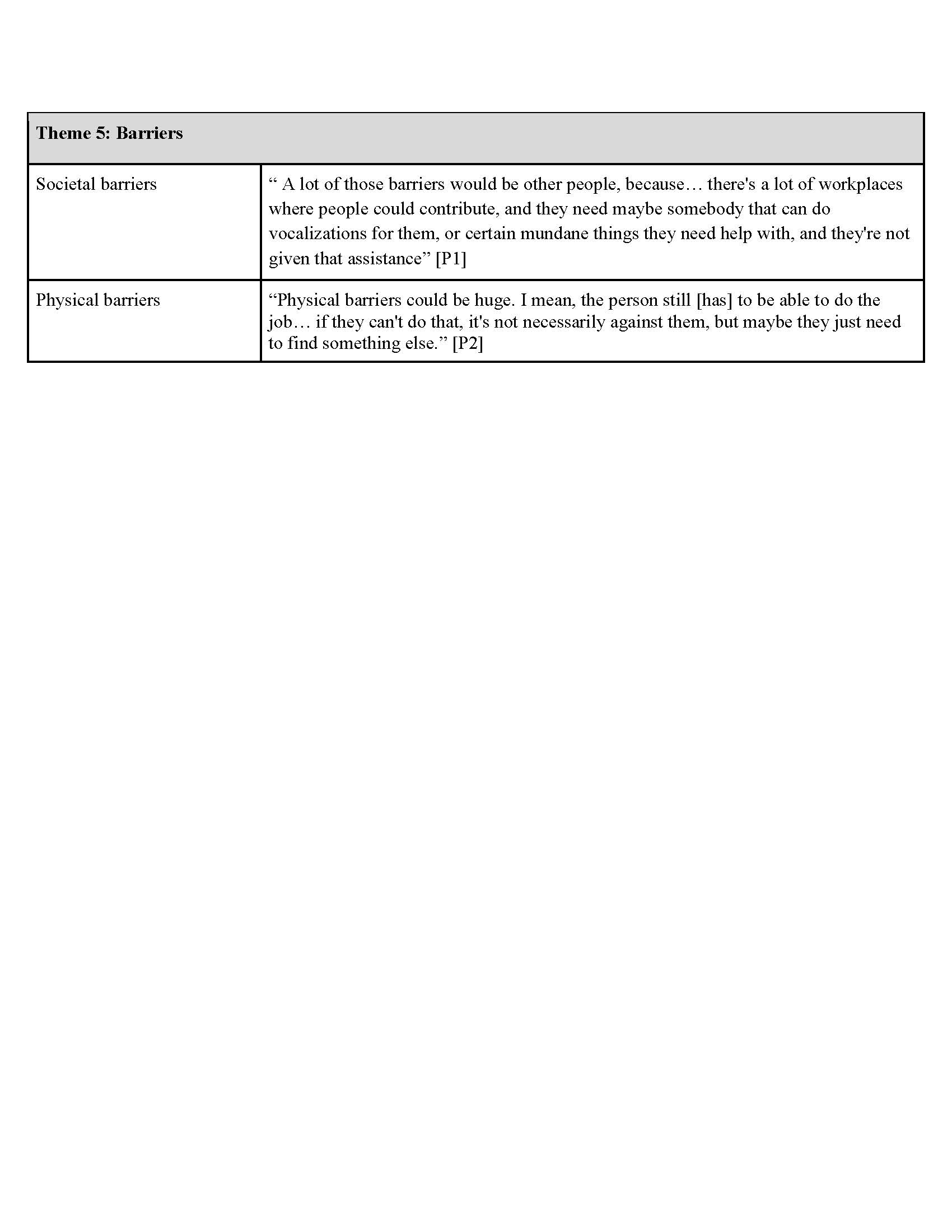
Table 2 Con.: Themes and Sub-themes
Table 2 Cont.: Themes and Sub-themes


Impact of Disability

Participants shared mixed responses when asked about the impact of disability on their lives. Many expressed both positive and negative influences within their lives, as well as how their disabilities impacted their identities. Those who acquired their disability later in life also discussed the ways in which their disability changed their life. Thus, 4 sub-themes were identified: positive impact, negative impact, identity, and acquired disability impact.

Positive Impact. Positive aspects of disability were related to the experience of mentoring other individuals with disabilities, activism, and disability identity as a positive influence.

Negative Impact. All participants shared or agreed with examples of negative sequelae related to disability. Negative aspects of disability included discrimination and altered social interactions, which were detrimental to participants mentally and emotionally.

Identity. Some participants discussed the impact of disability on their personal identity. One participant shared that her disability had become a source of pride and strength. Others described their disability as a defining feature of their identity. 

Acquired Disability Impact. Participants that acquired their disability later in life described their disability as a life-altering event and expressed feeling a change in their familial role and surrounding relationships.


Experiences with Physical Therapy

Experiences with physical therapy varied by individual, with participants sharing positive and negative experiences, and expressing their opinions regarding progress toward their goals throughout treatment. The 3 sub-themes identified were: positive experiences, negative experiences, and goal achievement and progress.

Positive Experiences. Positive experiences shared by participants included having fun while at physical therapy, receiving words of encouragement, and feeling supported throughout their treatment. Participants also described experiences where they felt their care plan was customized to fit their unique needs, and their PT was attentive, kind, patient, and made efforts to make them feel comfortable. 

Negative Experiences. Participants described the inability of their PTs to listen and understand their abilities and experiences and felt that their non-disabled clinicians were unable to relate to IWDs. Some participants expressed feelings of discrimination in the medical field based on disability and race.

Goal Achievement and Progress. Most participants reported that positive experiences with physical therapy impacted goal achievement. Participants attributed the success of goal achievement to the genuine care clinicians demonstrated. Participants also described negative experiences during their healing process, including a lack of understanding from their PTs and unrealistic expectations being placed upon them, leading to unaccomplished goals. 


Perceptions of PTs With a Disability

Each group contained a mix of individuals who had been treated by a disabled PT and individuals who had not been treated by a disabled PT. Participants who were treated by a disabled PT discussed their experiences with treatment and their experiences with discussing their PT’s disability. Those who did not have a PT with a disability shared their thoughts on potentially being treated by a disabled PT. All participants expressed their thoughts on PTs with disabilities, as well as the positive impacts of people with disabilities becoming PTs. Two major sub-themes were identified: impact of experiences, and positive impacts. Discussion also touched on societal and physical barriers to PTs with disabilities.

Impact of Experiences. When treated by a PT who disclosed their disability, participants felt that this disclosure was a source of encouragement that helped with their recovery. They felt that their PT could better understand their experiences, and when seeking physical therapy care in the future, they reported only desiring to return to a PT with a disability. Participants treated by PTs who had the same disability as themselves felt more connected and validated due to shared circumstances; however, experiences with disabled PTs were overwhelmingly positive, regardless of differing diagnosis.

One participant who shared the same diagnosis as their PT commented:

“It helped so much to know that I wasn’t alone in my diagnosis and could meet with someone who understood firsthand how frustrating disability could be.”

Another participant stated that while they didn’t share the same disability with their PT, they felt that:

“…it gave her additional compassion towards her patients as well as personal experience to inform my plan of treatment.”

Participants treated by PTs that did not disclose a disability shared that they thought they may be more comfortable and open if treated by a PT with a disability. Some participants that were treated by non-disabled PTs expressed that non-disabled PTs can be competent in delivering high-quality care to disabled patients if they are skilled and attentive.

When asked to share thoughts regarding PTs with disabilities, participants expressed that shared disability status between a patient and clinician may be beneficial for treatment, and that clinicians that have both clinical and personal experience can positively impact patient progress in physical therapy. While shared disability status may be beneficial for treatment, one participant stated that everyone’s experience can differ greatly and that the disabled community should not be considered as a monolithic category.

Positive Impacts. Participants felt that the lived experiences of having a disability would improve a PT’s understanding of disabled patients. Others, particularly those acquiring their disability later in life, described PTs with disabilities being a source of inspiration as they navigated mental health challenges surrounding their new disability. Participants also expressed that PTs with disabilities could be role models for others with disabilities, and one participant stated he was in the process of becoming a PT himself. 

Societal and Physical Barriers. Some participants discussed the barriers that people with disabilities face in becoming PTs. Barriers included societal barriers, such as discrimination and lack of necessary accommodation, and physical barriers, such as physically-demanding job tasks. 


Factors Impacting TA Relationships

Various qualities, attributes and interactions contributed to the relationship that participants had with their PTs. Two sub-themes were identified as contributing to a positive relationship between patients and clinicians: shared identity, and impact of interactions.

Shared Identity. Participants expressed that having something in common with their PT fostered a stronger relationship. This included being of similar ethnic or racial background, having a shared LGBTQ+ identity, or being similar in age.

Impact of Interactions. While sharing their physical therapy experiences, participants often discussed the interactions that they had with their PTs and the role the PTs played in shaping their experience. Negative experiences involved interactions where participants felt discriminated against or misunderstood by their PT. In contrast, interactions leading to positive experiences included feeling welcomed and being treated with compassion, similar to how one would treat a family member.


Discussion

The present study explored the perceptions and experiences among IWDs regarding TA within physical therapy. Discussions revealed multiple potential impacts on this relationship, including shared identity.


Importance of Shared Identities

While this study did not categorize the specific disabilities of the PTs involved, participants noted that the disclosure of disability by a provider, regardless of the specific diagnosis, was the primary catalyst for an improved therapeutic alliance. This suggests that the shared social identity of being disabled may be more significant to the alliance than clinical diagnostic concordance. Participants that shared positive experiences with physical therapy treatment emphasized the importance of empathy and understanding and expressed feeling more comfortable when their clinician was able to validate their experiences. Some participants appreciated it when their PTs had a sense of humor, which made their sessions more enjoyable. A variety of shared identities, through similar age or interests, were perceived to improve TA.

These findings extend to recent research regarding the positive impact of TA-based treatment approaches as evidenced by improvement in pain intensity via pain assessment scales (VAS PI-NRS) for treatment of chronic low back pain.12 The current findings highlight contextual factors that may impact the magnitude of treatment effects for physical therapy interventions.


Negative Experiences

Some participants reported negative experiences with physical therapy, notably citing incidents in which the PT did not demonstrate consideration for the individual’s experience. Lack of consideration may be attributed to aversive ableism—for instance, when a well-intentioned clinician unknowingly engages in implicitly biased thoughts or actions.7,8,11 Research has identified that healthcare workers often lack the knowledge, skills, and confidence to care for people with disabilities, with discriminatory attitudes and behaviors being widespread across all healthcare services and income levels.26

Thus, it is important for non-disabled clinicians to understand the construct and experience of disability. Developing this understanding improves care by shifting the clinical lens from a biomedical focus on ‘normalizing’ function to a partnership that prioritizes the patient’s autonomy and quality of life. To achieve this, physical therapy education must go beyond the ICF model to integrate principles from disability studies and the humanities, exposing students to the social and political dimensions of disability.


Mitigating Aversive Ableism

Additionally, clinicians can work to mitigate aversive ableism by seeking meaningful contact with individuals with disabilities outside of clinical settings, such as through community engagement or advocacy groups, which has been shown to reduce implicit bias more effectively than didactic training alone.10 By valuing the lived experience of disability as a legitimate form of evidence alongside clinical expertise, non-disabled PTs can build a more authentic therapeutic alliance that validates the patient’s identity rather than seeking to ‘fix’ it. 

A New Perspective on Identity. Throughout the focus groups, the topic of identity was a recurring theme. Although some participants—especially those with an acquired rather than congenital disability—viewed their disability as a barrier, most participants viewed their disability as a source of pride or a defining characteristic in their identity. Historically, the profession of physical therapy has emphasized maximizing patient independence by limiting disability.27 However, implying that an individual’s disability is something that needs to be intervened upon to align with a non-disabled “norm” is inherently ableist and could negatively impact TA.11 This sentiment was shared by participants as they discussed feeling that providers framed their disability as something to be “fixed,” which contributed to a poor patient-provider relationship.

The Concept of Social Constructs. To address this phenomenon, incorporating the conceptualization of disability as a social construct through narrative means may be beneficial for clinicians working with IWDs to improve their ability to connect with this population.28 For example, neurodiversity approaches emphasize that both the individual and the environment factor into the construct of disability and assert that all minds and brains should be accepted and valued—not labeled with negative judgment.29 Following this principle, interventions within the context of disability in healthcare are to facilitate adaptations, through new skills and/or adjustments in the environment to promote improved quality of life determined by the patient. By protecting self-autonomy through empathy and respect, both patient-provider relationships and health outcomes may be enhanced.   


Provider-Patient Concordance

Regarding identity, the importance of provider-patient concordance in healthcare has been well-established in other research domains. Research on racial and ethnic concordance has suggested that it can positively enhance communication and patients’ healthcare experiences, participation in clinical decision-making, intentions to adhere to clinicians’ recommendations, and satisfaction with care.30 Further, social concordance has been shown to predict differences in medical visit communication and patients’ perceptions of care, with lower concordance associated with less positive patient perceptions and lower positive patient affect.16

These findings suggest that concordance across various identity dimensions can impact healthcare quality and patient experiences. PTs who identify as having a disability may be in a position to connect with the experiences of their patients. Given that a clinician’s personal experience of disability may lead to an increased understanding of the experiences and goals of patients with disabilities,31 it follows that the shared identity of disability between clinicians and patients has the potential to improve patient health outcomes.

Furthermore, if a disabled clinician discloses their own disability to a disabled patient, our data suggests that the patient may feel safer with this clinician due to their shared identity, regardless of disability type. This increased sense of safety and trust may then lead to increased therapeutic alliance, which has been shown to positively impact treatment outcomes.

When PTs treating the focus-group participants disclosed their disability, participants recalled feeling encouraged and believed it improved their recovery. Additionally, many of those who had the experience of being treated by a PT with a disability expressed that they preferred this experience and would seek it out in the future. Likewise, many of the focus-group participants, whether having been treated by a PT with a disability or not, expressed a desire for greater diversity within the physical therapy profession.


Barriers to IWDs Becoming PTs

While shared identity between a patient and a provider can improve TA and healthcare outcomes for IWDs, numerous barriers exist for IWDs becoming PTs. Such barriers interact at and between the cultural, institutional, interpersonal, and intrapersonal levels of society. At the cultural and interpersonal levels, there is: stigma, abuse, harassment, and skepticism surrounding one’s capabilities and clinical skills.17 These discriminatory forces have continued to gain traction in the current political climate in the US, where federally-funded Diversity, Equity, and Inclusion (DEI) programs are being stripped of their value, demoralizing all who benefit from those initiatives.26,32

At the intrapersonal level, there is internalized ableism, where IWDs may internalize societal messages about their worth and capabilities. At the institutional level, in academic programs and clinical settings, ableist technical standards and/or essential functions dictate the physical, behavioral, or cognitive abilities required.33 These requirements often focus on how an individual completes a task (eg, seeing, hearing, walking, lifting), rather than the overall ability to achieve a task. As a result, PTs and student PTs may be hesitant to disclose their disability to their employer or program, in fear of being perceived as less competent.

Despite the implications of these requirements, PTs with disabilities can be capable clinicians when provided proper accommodation. Excluding IWDs from joining the profession ultimately dampens the diversity of the workforce and allows for continued cultural, institutional, interpersonal and intrapersonal perpetuation of stigma and bias due to a lack of peer relationships, knowledge, and critical awareness of disability.

Notably, technical standards are not required by any governing bodies of the physical therapy profession. The Standards of Practice for Physical Therapy as outlined by the American Physical Therapy Association cite patient and client management practices as being based in evidence-based practice through the 3 core components of clinical expertise; best available research evidence; and patient values, preferences, expectations, and context. None of the standards outlined specify the method in which the performance of clinical responsibilities should be completed, rather focusing on the outcomes that must be obtained for competent provision of physical therapy services.34

Further, first-person narratives from disabled clinicians and students, such as those emerging from the ACAPT Advancing Accessibility and Disability Equity Summit, offer powerful testimonies to the value of shared identity in fostering community, empowerment, and optimism within the profession.35 These narratives demonstrate that through art, literature, and storytelling the humanities are essential tools for understanding the human experience of disability, and for cultivating the deep humanistic relationships that underpin effective rehabilitation practice.


Limitations

There are several limitations to the current study. The recruitment area included the entire US, which led to limited availability of focus-group time slots due to differing time zones. Additionally, due to these time-zone and geographic differences, focus-group meetings were conducted via Zoom. Initially, 21 participants were selected and scheduled for the focus groups. Many participants were dropped from the study due to reasons such as connection issues, failure to sign the consent form, and refusal to participate due to lack of financial compensation. A total of 13 participants remained and were included in data analysis. Due to participant drop-out, participants were not uniformly distributed across the 3 groups and data from each group varied greatly. Group 1 was the strongest for thematic analysis, with all participants making contributions to the discussion. In groups 2 and 3, some participants answered more questions than others, and the “chat” feature was heavily utilized instead of participation in verbal discussion, which limited the ability of participants to converse with one another. The small sample size and varied participation from focus-group members limit the generalizability of this study.


Conclusion

This study examined the impact of IWDs being treated by a PT with a disability on TA to better understand the potential influence of this shared identity on their experience with physical therapy.

Participants with disabilities indicated overall positive perceptions of, and experiences with, PTs with disabilities, and a potentially positive impact on TA.

These findings can inform the physical therapy profession, as several barriers to IWDs becoming PTs exist and the profession would benefit from diversification in students and clinicians alike.

Simultaneously, the profession must commit to anti-ableist training for all clinicians, ensuring that the burden of education does not fall solely on providers with disabilities.


References

  1. CDC. Disability Impacts All of Us Infographic | CDC. Centers for Disease Control and Prevention. July 3, 2024. Accessed August 11, 2024. https://www.cdc.gov/ncbddd/disabilityandhealth/infographic-disability-impacts-all.html
  2. Wong A, ed. Disability Visibility: First-Person Stories from the Twenty-First Century. Vintage; 2020.
  3. Adams R, Reiss B, Serlin D. Keywords for Disability Studies. NYU Press; 2015.
  4. Hinman MR, Peterson CA, Gibbs KA. Prevalence of physical disability and accommodation needs among students in physical therapy education programs. J Postsecond Educ Disabil. 2015;28(3):3.
  5. Whalen Smith CN, Havercamp SM, Tosun L, et al. Training an anti-ableist physical therapist workforce: critical perspectives of health care education that contribute to health inequities for people with disabilities. Phys Ther. 2024;104(9):pzae092. doi:10.1093/ptj/pzae092
  6. FitzGerald C, Hurst S. Implicit bias in healthcare professionals: a systematic review. BMC Med Ethics. 2017;18(1):19. doi:10.1186/s12910-017-0179-8
  7. VanPuymbrouck L, Friedman C, Feldner H. Explicit and implicit disability attitudes of healthcare providers. Rehabil Psychol. 2020;65(2):101-112. doi:10.1037/rep0000317
  8. Feldner HA, VanPuymbrouck L, Friedman C. Explicit and implicit disability attitudes of occupational and physical therapy assistants. Disabil Health J. 2022;15(1):101217. doi:10.1016/j.dhjo.2021.101217
  9. Bogart KR, Logan SW, Hospodar C, Woekel E. Disability models and attitudes among college students with and without disabilities. Stigma Health. 2019;4(3):3. doi:10.1037/sah0000142
  10. Armstrong M, Morris C, Abraham C, Tarrant M. Interventions utilising contact with people with disabilities to improve children’s attitudes towards disability: a systematic review and meta-analysis. Disabil Health J. 2017;10(1):11-22. doi:10.1016/j.dhjo.2016.10.003
  11. Schwab SM, Silva PL. Intellectual Humility: How recognizing the fallibility of our beliefs and owning our limits may create a better relationship between the physical therapy profession and disability. Phys Ther. 2023;103(8):8. doi:10.1093/ptj/pzad056
  12. Kinney M, Seider J, Beaty AF, Coughlin K, Dyal M, Clewley D. The impact of therapeutic alliance in physical therapy for chronic musculoskeletal pain: a systematic review of the literature. Physiother Theory Pract. 2020;36(8):8. doi:10.1080/09593985.2018.1516015
  13. Brun-Cottan N, McMillian D, Hastings J. Defending the art of physical therapy: expanding inquiry and crafting culture in support of therapeutic alliance. Physiother Theory Pract. 2020;36(6):6. doi:10.1080/09593985.2018.1492656
  14. Alodaibi F, Beneciuk J, Holmes R, Kareha S, Hayes D, Fritz J. The relationship of the therapeutic alliance to patient characteristics and functional outcome during an episode of physical therapy care for patients with low back pain: an observational study. Phys Ther. 2021;101(4):pzab026. doi:10.1093/ptj/pzab026
  15. Alsan M, Garrick O, Graziani G. Does diversity matter for health? Experimental evidence from Oakland. Amer Econ Rev. 2019;109(12):12. doi:10.1257/aer.20181446
  16. Thornton RLJ, Powe NR, Roter D, Cooper LA. Patient–physician social concordance, medical visit communication and patients’ perceptions of health care quality. Patient Educ Counsel. 2011;85(3):e201-e208. doi:10.1016/j.pec.2011.07.015
  17. Shaw SCK, Fossi A, Carravallah LA, Rabenstein K, Ross W, Doherty M. The experiences of autistic doctors: a cross-sectional study. Front Psychiatry. 2023;14. doi:10.3389/fpsyt.2023.1160994
  18. Mitra S, Shakespeare T. Remodeling the ICF. Disabil Health J. 2019;12(3):337-339. doi:10.1016/j.dhjo.2019.01.008
  19. Hammell KW. Deviating from the norm: a sceptical interrogation of the classificatory practices of the ICF. Brit J Occupa Ther. 2004;67(9):408-411. doi:10.1177/030802260406700906
  20. Imrie R. Demystifying disability: a review of the International Classification of Functioning, Disability and Health. Sociol Health Ill. 2004;26(3):287-305. doi:10.1111/j.1467-9566.2004.00391.x
  21. Mosleh D, Gibson BE. Abnormal-becoming-normal: conceptualizations of childhood disability in children’s rehabilitation textbooks. Scand J Disabil Res. 2022;24(1):122-135. doi:10.16993/sjdr.877
  22. Reynolds JM, Chiasmi International. The Normate: on disability, critical phenomenology, and Merleau-Ponty’s Cézanne. Chiasmi Int. 2022;24:199-218. doi:10.5840/chiasmi20222419
  23. Stalmeijer RE, McNaughton N, Van Mook WNKA. Using focus groups in medical education research: AMEE Guide No. 91. Med Teacher. 2014;36(11):923-939. doi:10.3109/0142159X.2014.917165
  24. Starks H, Brown Trinidad S. Choose your method: a comparison of phenomenology, discourse analysis, and grounded theory. Qual Health Res. 2007;17(10):1372-1380. doi:10.1177/1049732307307031
  25. Braun V, Clarke V. Using thematic analysis in psychology. Qualitative Research in Psychology. 2006;3(2):77-101. doi:10.1191/1478088706qp063oa
  26. Gréaux M, Moro MF, Kamenov K, Russell AM, Barrett D, Cieza A. Health equity for persons with disabilities: a global scoping review on barriers and interventions in healthcare services. Int J Equity Health. 2023;22(1):236. doi:10.1186/s12939-023-02035-w
  27. Roush SE, Sharby N. Disability reconsidered: the paradox of physical therapy. Phys Ther. 2011;91(12):1715-1727. doi:10.2522/ptj.20100389
  28. Charon R. Narrative medicine: a model for empathy, reflection, profession, and trust. JAMA. 2001;286(15):1897. doi:10.1001/jama.286.15.1897
  29. Dwyer P. The Neurodiversity Approach(es): what are they used for and what do they mean for researchers? Hum Develop. Published online February 22, 2022. doi:10.1159/000523723
  30. Saha S, Komaromy M, Koepsell TD, Bindman AB. Patient-physician racial concordance and the perceived quality and use of health care. Arch Intern Med. 1999;159(9):997. doi:10.1001/archinte.159.9.997
  31. Waliany S. Health professionals with disabilities: motivating inclusiveness and representation. AMA J Ethics. 2016;18(10):971-974. doi:10.1001/journalofethics.2016.18.10.fred1-1610
  32. United States Government. Ending Radical And Wasteful Government DEI Programs and Preferencing. January 20, 2025. Accessed June 10, 2025. https://www.whitehouse.gov/presidential-actions/2025/01/ending-radical-and-wasteful-government-dei-programs-and-preferencing/
  33. Sharp A, Herrman D. Disability and physical therapy: a complicated relationship, an uncertain path forward. Phys Ther. 2021;101(7):pzab085. doi:10.1093/ptj/pzab085
  34. Standards of Practice for Physical Therapy. Published online September 20, 2019. Available at: https://www.apta.org/apta-and-you/leadership-and-governance/policies/standards-of-practice-pt. Accessed June 10, 2025.
  35. Michel A, Reester E, Rae M, Kennedy M, Zambrano G. We are no longer alone: student panelist reflections on the Advancing Accessibility and Disability Equity Summit. J Humanit Rehabil. Published online May 20, 2025. Available at: https://www.jhrehab.org/2025/09/04/we-are-no-longer-alone-student-panelist-reflections-on-the-advancing-accessibility-and-disability-equity-summit/. Accessed June 10, 2025.

About the Authors

Amanda Michel, PT, DPT

Amanda Michel, PT, DPT, is a physical therapist at Boston Children’s Hospital that happens to be diagnosed with autism and ADHD. She received PT and OT services throughout her childhood for gross motor delays and sensory processing impairments, and is now passionate about using her experiences to advocate for equitable treatment of disabled clinicians and individuals seeking healthcare.  She has spoken about disability equity-related topics at several local and national conferences, and was featured in APTA Magazine’s July 2024 cover story.  In her free time, she enjoys eating Indian food while watching PBS documentaries with her 20-pound rescue cat, Vestibule.

Stacey Maguire PT, DPT, PhD, NCS

Stacey Maguire PT, DPT, PhD, NCS, is a Professor and Chair of the Physical Therapy Department at Simmons University. She holds a PhD in Health Promotions Education, with primary lines of research focused on inclusive education within physical therapy. Her scholarly work explores avenues to cultivate diverse learning spaces that empower all students to thrive. Dr. Maguire integrates these principles into her teaching, which includes courses on neurological frameworks, complex clinical reasoning, health promotions, and social justice. She also draws on over two decades of clinical expertise as a physical therapist at Beth Israel Deaconess Medical Center, providing specialized care in neurological rehabilitation and the neonatal intensive care unit.

Winston Kennedy, PT, DPT, PhD, MPH

Winston Kennedy, PT, DPT, PhD, MPH, is an Assistant Professor at Northeastern University with joint appointments in the Department of Physical Therapy, Movement, and Rehabilitation Sciences and the Department of Public Health and Health Sciences. He directs the Translational Research for Inclusion, Belonging, and Equity (TRIBE) Lab, where his program of research advances health equity through community-engaged scholarship focused on physical activity promotion with under-resourced communities and anti-ableist practice in healthcare. His work draws on disability studies, critical race theory, and humanizing pedagogy frameworks to examine how rehabilitation systems can better serve historically marginalized populations. Dr. Kennedy is also a licensed physical therapist who maintains active community partnerships with organizations grounding his scholarship in the priorities and lived expertise of communities the center people with disabilities. At Northeastern his pedagogical approach emphasizes clinical reasoning, evidence-based practice, and the development of socially conscious health professionals. His scholarship spans physical therapy, kinesiology, public health, and disability studies, with a focus on translating research into more inclusive and equitable rehabilitation practice.

Britney Bui-Tran, PT, DPT

Britney Bui-Tran, PT, DPT is an early intervention physical therapist at THOM BMEI, working with children aged 0-3 to support their development while fostering parent and child relationships. Her work puts her on the front lines of the community to meet folks in their environments, providing care in naturally-occurring places such as daycare and within the home. She also works to support parents with financial, developmental, and accessible resources for their situations. Britney is working to build community opportunities to support and uplift families as they navigate the system in under-resourced areas of Boston.

Lauren Kenney, PT, DPT

Lauren Kenney, PT, DPT is a recent graduate from Simmons University’s DPT program in Boston, MA. Since graduating, Lauren works within the Greater Boston area helping students with disabilities in the school setting access their environments in the least restrictive manner. She approaches her treatments from a play based therapy perspective to allow her students to grow in individualized ways while also cultivating trust, connection and mutual respect. Lauren hopes to continue creating accessibility within communities and work spaces for those who identify as having a disability in order to promote equity and inclusion.

Libby Taylor PT, DPT

Libby Taylor PT, DPT graduated from Simmons University with her Doctorate of Physical Therapy in 2025. Since graduating she has been working as a performing arts physical therapist as part of a team providing PT services to the Berklee College of Music, Boston Conservatory at Berklee, Boston Ballet School, and the Boston Arts Academy. As a PT she is passionate about patient advocacy and compassion and in the future Libby hopes to continue being involved in DEI related qualitative research.

Miki Shibuya, PT, DPT

Miki Shibuya, PT, DPT (she/her), is a 2025 graduate of the Simmons University Doctor of Physical Therapy program. She has long been passionate about learning about health equity and collective well-being. As a student, she served on the Simmons DPT program’s student association and volunteered with the APTA Massachusetts DEI Committee, helping center journal clubs, conversations, and action around social justice in physical therapy practice, including disability justice. Her work emphasized exploring how dignified care for the most marginalized communities translates into dignified care for all.

In 2024, she was honored as both a nominee and recipient of the APTA MA Ruth Hall Award in recognition of the demonstration of professional qualities of dedication and caring which exemplified the career of Ruth Hall. Miki is now an inpatient physical therapist at Boston Medical Center, a Level I trauma center and safety-net hospital in Boston, where she combines her passion for social justice and patient advocacy with caring for a complex patient population.