

Listening Beyond Words: A Reflection on Identity, Care, and Connection
doi: 10.18737/0607636891
AMA Citation: Brown DS. Listening beyond words: a reflection on identity, care, and connection. J Hum Rehabil. 2026;Spring. doi:10.18737/0607636891.
Table of Contents
Disability is a dimension of diversity that is gaining more attention as an important aspect of the identities of many individuals who seek the services of a physical therapist (PT) or physical therapist assistant (PTA).1 However, individuals do not experience disability in isolation as additional identities such as race, age, and sex, interact in complex ways that influence how they access care, how they are perceived by providers, and how they experience healthcare.2 The concept of intersectionality, first introduced by Crenshaw,3 provides a framework for understanding how multiple identities may intersect to create unique experiences of marginalization. The importance of acknowledging and addressing the intersection of disability with other diversity constructs such as race, sex, and age is increasingly recognized as essential to providing equitable and effective patient care.4,5
This narrative reflection explores a clinical encounter that challenged and deepened my appreciation of the intersection of disability with other diversity constructs during my clinical practice. It also reinforced the need to include disability more intentionally as a construct that is not separate from, but intertwined with, other dimensions of diversity including race, age, and sex.
Through the story of Earl, a Black, middle-aged male with a hearing disability, I reflect on the dynamics of identity, communication, and trust in the therapeutic relationship. My reflection is not only a recounting of events, but a personal and professional meditation on how we, as PT and PTA clinicians and educators, must advance accessibility and disability equity by embracing a more holistic, humanistic approach to care.
Meeting Earl: A Lesson in Presence
Earl* arrived at my outpatient physical therapy clinic years ago with a musculoskeletal injury, but it quickly became clear that his story and my responsibility as a PT extended far beyond his physical complaint. Earl, a Black, middle-aged male, was deaf in one ear and had limited hearing in the other for most of his adult life. His hearing disability, although not the reason for his physical therapy referral, shaped every aspect of our interaction and became central to how my student, Sierra* and I approached his care.
(*All names have been changed to protect confidentiality.)
From the moment he entered the clinic, Earl carried within him an air of quiet dignity. He was observant, deliberate, and patient. But I also sensed a guardedness, a subtle hesitancy that I have come to recognize in patients who have had to navigate systems not built with them in mind. Earl’s intersecting identities including his hearing disability, Black race, middle-age, and male sex, were not just background details; they were active forces shaping his experience of navigating the healthcare system. He embodied multiple intersecting identities that have long been subject to systemic marginalization, and identities that too often result in an individual being misunderstood, underestimated, and a recipient of inequitable care.1,2,4
Teaching and Learning in Tandem
Sierra, a bright and compassionate Doctor of Physical Therapy student, was eager to learn and engage in this patient encounter. However, I could sense her initial uncertainty regarding how to communicate effectively with Earl given his hearing disability. We had prepared to examine and treat patients with hearing impairments before, but this was different. Earl did not use sign language, and his speech was relatively clear but quiet. He relied heavily on lip reading and facial cues, which meant that even our masks which were still worn due to COVID, became a barrier to communication and connection.
We adapted. We made sure to face him directly, to speak clearly and with intention. We used written notes when needed and checked in frequently to ensure understanding. But more than anything, we listened—not just with our ears, but with our eyes, our posture, and our presence.
One moment continues to resonate with me, which was a humbling reminder of the power of listening and honoring a person’s voice. During one of the initial treatment sessions, Sierra was demonstrating an exercise and asked Earl if he felt comfortable trying it. He paused, then said something about spending most of his life figuring things out on his own or being told what to do, and that it was nice to have someone ask him what he wanted to do.
I immediately recognized the tremendous weight behind Earl’s words. Years of navigating the healthcare system may have rarely afforded him personal agency due to his disability, race, age, and sex. Research shows that Black men often encounter systemic barriers in healthcare including systemic dismissiveness, inadequate communication, and racial bias, which undermine trust and limit opportunities for shared decision-making.6 These challenges are compounded for individuals with disabilities, who face additional obstacles such as lack of culturally responsive care and structural inequities that restrict access and autonomy.7
Sierra’s asking Earl about his comfort level trying a new intervention was more than a check-in; it was an invitation for Earl to be seen and heard. I believe that, in that moment, the therapeutic space shifted. It became less about instructing Earl on the intervention and more about a collaboration between him, Sierra, and me.
Reflections on Practice and Identity
Earl’s response to Sierra serves as a reminder that ensuring dignity in health care delivery often begins with ensuring agency and offering choice. Simply asking, rather than assuming or simply instructing, can be a powerful act of respect, especially for patients with disabilities and/or other often marginalized identities.
Earl’s comment still resonates with me to this day as I continue to practice in an outpatient orthopedic clinic and teach in a Doctor of Physical Therapy program. His comment is a reminder that our provision of care is not just about treatment plans or clinical outcomes. It is about recognition and respect. Earl was not just a patient with a musculoskeletal injury. He was a middle-aged Black man with a hearing disability who had navigated decades of partial silence, who had likely been overlooked or misunderstood in countless healthcare interactions, and who now, in our physical therapy clinic, was being seen and heard in an empowering way.
Lessons Learned
Reflecting on this experience, I am struck by what I learned, not just about communication strategies or clinical adaptations, but about the importance and centrality of humility and presence in patient-practitioner interactions. Earl taught me that effective care requires more than knowledge; it requires cultural humility and a willingness to meet people where they are, not where we assume they would want to be.8,9
Before her clinical experience ended, Sierra reflected on how her interaction with Earl challenged her assumptions and deepened her understanding of disability and the intersectionality of identities in healthcare. Earl’s experience illustrated how a hearing disability, combined with race, age, and sex, can shape the quality and nature of care received in clinical settings. These intersecting identities often amplify vulnerability to bias and inequities which are a reality well-documented in disabilities studies, which show that people with disabilities experience higher rates of unmet healthcare needs, avoidable deaths, and dissatisfaction with care compared to non-disabled peers.10
Critical disability theory critiques the dominant medical model that frames disability as a deficit to be corrected, arguing instead that disability is a political and cultural identity shaped by societal structures and power relations.11,12,13 This medicalized view often marginalizes patients like Earl, leading to miscommunication and diminished autonomy.12
A New Vision
Re-envisioning Disability as culture and identity, similar to how Deaf culture has been recognized, offers an alternative approach that prioritizes dignity, agency, and belonging.14 For PTs and PTAs, this shift means moving beyond basic accommodations toward practices that affirm patients’ lived experiences and linguistic preferences, such as the use of certified interpreters for patients who are deaf, and culturally-responsive communication strategies.14
A New Way of Learning
Self-education about disability narratives and intersectionality broadens a clinician’s worldview, fostering empathy and reducing bias. Evidence from medical education research shows that engaging with people who have lived experiences of disability improves clinical competence, communication, and procession identity formation among healthcare providers.15 By creating spaces that are safe and inclusive, students like Sierra can become positive agents of change, ensuring that care is not only clinically competent, but also culturally responsive and identity-affirming.
Conclusion
This encounter has profoundly influenced how I approach my clinical practice. I am now more attuned to the subtle (and not so subtle) ways in which identity, particularly disability, shapes the interactions between patient and provider. It has deepened my commitment to proactively address communication differences and to continuously examine my own biases and assumptions about identity constructs such as disability. Moreover, it has strengthened my dedication to teaching and mentoring students like Sierra both in the clinic and the classroom, in ways that center empathy, equity, and cultural responsiveness for those with disabilities.
In physical therapy education, this means:
- Integrating case studies that highlight diverse lived experiences
- Facilitating reflective discussions on bias and identity
- Modeling inclusive communication strategies during lab sessions
These approaches help students move beyond a purely biomedical lens to embrace a more holistic, person-centered perspective.
Earl’s story is powerful. It reminds me that every patient brings a lifetime of experience into the clinic, and that our role is not simply to treat bodies as a collection of parts, but to honor the whole person. This means valuing every facet of identity, including disability, and embracing the person in their entirety.
As I continue clinical practice, I carry Earl’s words with me: “It’s nice to have someone ask.”
In a world that often overlooks people from historically marginalized groups, asking is a start, but true equity requires more. It calls for increasing awareness of pervasive and often unchallenged ableism, engaging in self-education about accessibility and the history of disability advocacy, and committing to practices that preserve autonomy and empowerment.
For PT and PTA clinicians and educators, this serves as a call to:
- Model inclusive communication
- Integrate disability perspectives into curricula
- Encourage colleagues and students to take concrete steps toward change such as auditing spaces for accessibility, amplifying disabled voices, and challenging bias in everyday interactions
These actions pave the way for lasting, systemic change that elevates care and dignity for people living with disabilities.
References
- Sharp A, Herrman D. Disability and physical therapy: a complicated relationship, an uncertain path forward. Phys Ther. 2021;Jul 1;101(7): https://doi.org/10.1093/ptj/pzab085
- Wickenden M. Disability and other identities—how do they intersect? Front Rehabil Sci. 2023; Aug 10;4: https://doi.org/10.3389/fresc.2023.1200386
- Crenshaw KW. Demarginalizing the intersection of race and sex: a black feminist critique of antidiscrimination doctrine. In: University of Chicago Legal Forum. 1; 1989:139-168. Available at: https://chicagounbound.uchicago.edu/uclf/vol1989/iss1/8
- Brose SW, Suarez KO, Cenberoglu MA, Weber R, Turk MA. A different view of the issue: seeing disability through the lens of diversity and inclusivity in healthcare in the United States. Am J Phys Med Rehabil. 2025; Mar 5:10-97 10.1097/PHM.0000000000002673
- Naples NA, Mauldin L, Dillaway H. From the guest editors: Gender, disability, and intersectionality. Gend Soc. 2019;–Feb 33(1):5-18. https://doi.org/10.1177/0891243218813309
- Slatton BC, Spates K, Faniel ML. Black men’s patient–clinician experiences: pathways to enhanced healthcare outcomes in the United States. 2025;13(11):1230. doi:10.3390/healthcare13111230
- Peterson-Besse JJ, Walsh ES, Horner-Johnson W, Goode TD, Wheeler B. Barriers to health care among people with disabilities who are members of underserved racial/ethnic groups: a scoping review of the literature. Med Care. 2014;52(suppl 1):S51-S63. doi:10.1097/MLR.0000000000000012
- Crossley M. Disability cultural competence in the medical profession. St Louis U J Health Law Policy. 2015;9(1):89-109
- Garland-Thomson R. Disability bioethics: from theory to practice. Kennedy Inst Ethics J. 2017;27(2):323-339
- World Health Organization. Disability and health. World Health Organization. Published 2023. Available at: https://www.who.int/news-room/fact-sheets/detail/disability-and-health Accessed November 28, 2025.
- Devlin R, Pothier D. Critical disability theory: essays in philosophy, politics, policy, and law. UBC Press; 2006. ISBN: 9780774812047
- Garland-Thomson R. Misfits: a feminist materialist disability concept. Hypatia. 2011;26(3):591-609. doi:10.1111/j.1527-2001.2011.01206.x
- Kafer A. Feminist, Queer, crip. Indiana University Press; 2013
- Meador HE, Zazove P. Health care interactions with deaf culture. J Am Board Fam Pract. 2005;18(3):218-222. doi:10.3122/jabfm.18.3.218
- Sbrizzi G, et al. Learning from experience: inclusion of people with lived experience in medical education. Med Educ. 2025;59(1):45-56. doi:10.1111/medu.15000
About the Author
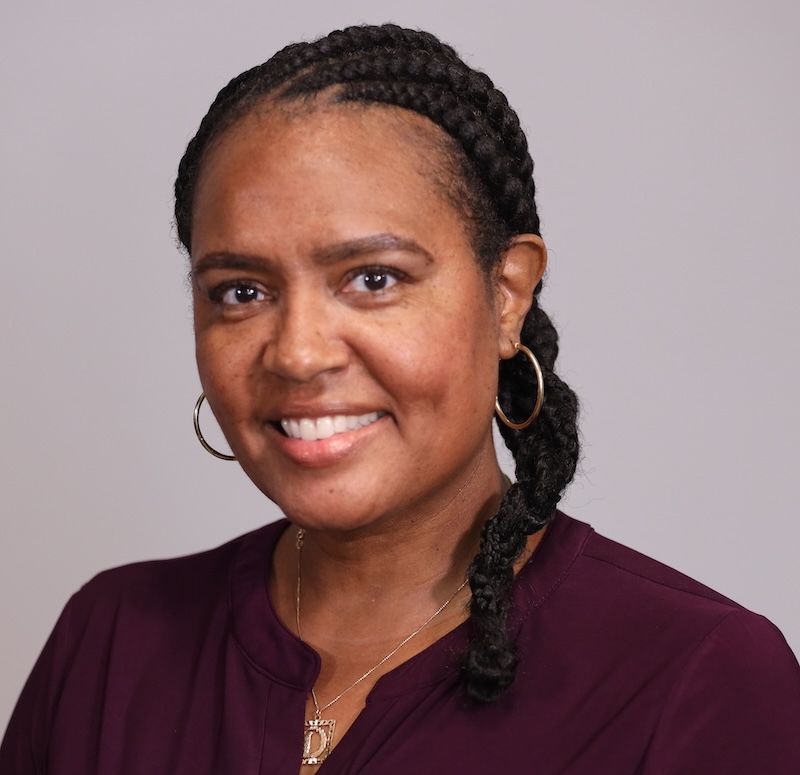
Dawn S. Brown, PT, DPT, EdD
Dr. Dawn S. Brown, PT, DPT, EdD, OCS, serves as Assistant Chair of Curricular Affairs and Assistant Professor in the Department of Physical Therapy and Human Movement Sciences at Northwestern University. A recognized leader in physical therapy education, Dr. Brown has delivered more than 40 invited and peer‑reviewed presentations at regional and national conferences and continues to contribute to the field through ongoing scholarly publication in educational research. Her research focuses on leadership development, faculty development, and fostering belonging in academic and clinical settings. She has held influential roles, including Commissioner for the National Equity, Diversity, and Inclusion Commission for the American Council of Academic Physical Therapy (ACAPT), Co-Chair of the Illinois Physical Therapy Association DEI Committee, and member of ACAPT’s Education Planning and Innovation Committee. Dr. Brown also serves on the Advisory Board for Simucase, contributes educational content to http://PhysicalTherapy.com , and is appointed to the Illinois State Board of Health as the Doctor of Physical Therapy representative, where she contributes to both the Policy and Rules Committees. Currently, she is a fellow in the 2025–2026 cohort of the APTA Academy of Education Fellowship in Higher Education Leadership. Dr. Brown’s scholarship and service have made a lasting impact on advancing equity and excellence in health professions.

This work is licensed under a Creative Commons Attribution 4.0 International License.