

Measured
doi: 10.18737/0607936812
AMA Citation: Anziano P. Measured. J Hum Rehabil. 2026;Fall. doi:10.18737/0607936812.
Table of Contents
Once there was
no center.
Humanity moved
like color before it had names—
skin, gait, silence,
ways of bearing joy
and pain.
Difference was not distance.
Then lines were drawn
to steady heaven,
to square the earth.
A body was asked to stand still.
He fit inside the answer—
arms wide,
nothing left over.
Every line agreed.
Nothing exceeded its place.
Beauty learned
to behave.
The spectrum narrowed.
What did not fit
became someone’s work.
Centuries passed.
and left no detritus.
I reach for the apple—
through fluorescent mist
a hand finds my shoulder.
It is gentle.
It is certain.
It already knows
where correction begins.
No harm meant.
No question asked.
A virtuous diagram still holds.
A body deviates.
And kindness—
trained to measure—
mistakes my wholeness
for its
calling…
Poet Reflection:
The poem “Measured” grew out of my long curiosity regarding how we came to understand bodies through measurement and correction. Living for more than twenty years with a spinal cord injury, I’ve spent significant time navigating well-meaning attempts to “fix,” normalize, or interpret difference. I began wondering when the concept of a “standard” human body became so persuasive—and so moralized.
While exploring this in the humanities, I kept returning to the Vitruvian Man—that iconic moment where the human body is diagrammed as a geometric ideal. In the symbolic geometry of that era, man was often cited as the “measure between the square of the earth and the circle of the heavens.” I wanted to explore what happens when that diagram quietly becomes moral, even virtuous, as well as geometric—when kindness itself begins to measure.
Over the centuries, this “virtuous diagram” never lost its power; rather, it increased in mass and density. I would assert that the ideas advancing through the Vitruvian template for the “correct” form only gained weight as they moved through history, eventually informing movements like Eugenics. These concepts left no debris or detritus behind—they remained whole and formative, providing a blueprint for how we view “completeness” or “correctness” today.
When kindness is trained to this measure, it takes a specific, structured form. It begins to calculate the “appropriateness” for its own delivery, essentially deciding who is deserving or fit for its self-offering. “Measured” is an observation of that moment: when a body deviates from the diagram, and kindness—mistaking a different kind of wholeness for a calling to correct—attempts to pull it back into the lines.
About the Author
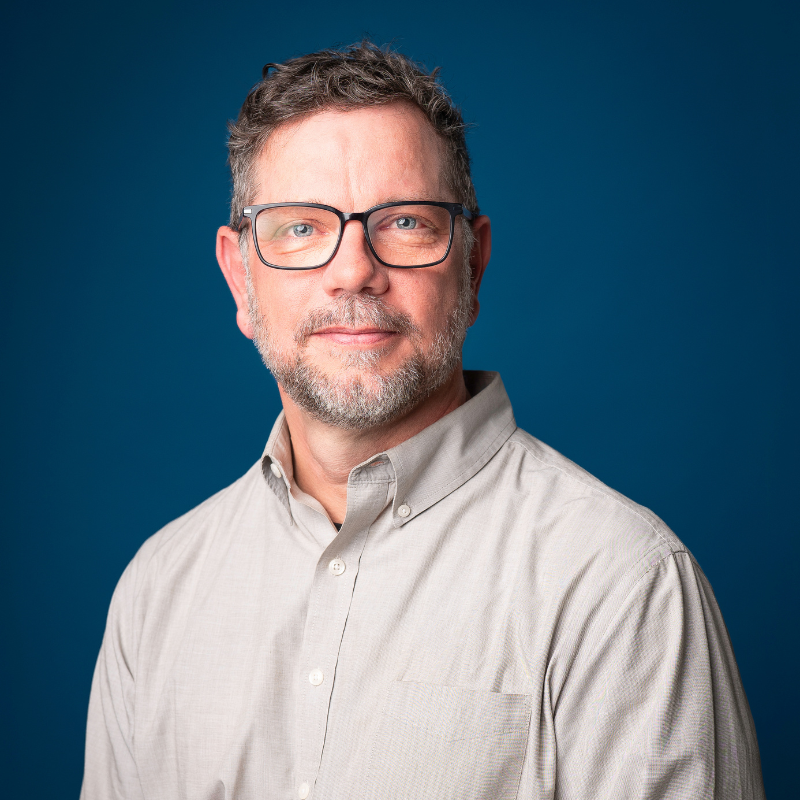
Pete Anziano
Pete Anziano is the Peer Support Manager and Trauma Survivors Network Coordinator at Shepherd Center in Atlanta, Georgia, where he leads peer support programs for individuals with spinal cord injury, brain injury, limb loss, and other life-altering conditions. With over 20 years of lived experience with spinal cord injury and two decades of leadership in peer mentorship, he brings both personal insight and professional expertise to advancing patient- and family-centered rehabilitation.
Pete contributes to research on peer-supported interventions, including studies demonstrating improvements in self-efficacy, community reintegration, and reductions in hospital readmissions. He serves on the Board of Directors for the American Trauma Society and on the advisory panel for the Trauma Survivors Network, advocating for evidence-based peer support and broader access to rehabilitation resources.
As a writer and advocate, Anziano engages with patients, families, and the rehabilitation community to explore how narrative, lived experience, and the humanities can deepen understanding of recovery and human resilience. His work at Shepherd bridges clinical care, research, and community engagement, promoting rehabilitation approaches that honor the whole person.
This work is licensed under a Creative Commons Attribution 4.0 International License.