

The Journey of a Physical Therapist with an Acquired Disability: Reflections and the Path Ahead
doi: 10.18737/0607140857
AMA Citation: Donaldson C, Kennedy W. The Journey of a Physical Therapist with an Acquired Disability: Reflections and the Path Ahead. J Hum Rehabil. 2026; Fall. DOI: 10.18737/0607140857
Table of Contents
The experiences in this piece reflect those of the first author. The second author served as a critical friend and dialogic partner, facilitating reflective conversations that supported the recall and interpretation of the first author’s experiences, and contributed to reviewing and editing the manuscript. As a critical friend, the second author asked probing questions and challenged assumptions embedded in the first author’s interpretations of her experiences. As a dialogic partner, the second author engaged in sustained conversation that supported the recall and reconstruction of experiences spanning nearly three decades, allowing past events to be revisited in light of the first author’s current understanding.
Introduction
In October 1995, the American Physical Therapy Association (APTA) celebrated its fourth Physical Therapy Month with the theme Physical Therapy: Hands-on Health Care. I was a relatively new clinician that year, having graduated with my master’s degree in physical therapy in 1992. When I saw APTA’s slogan, I was excited and motivated to write an article for the Physical Therapy (PT) Advance, the informal publication for APTA at that time, on my experiences as a clinician with a disability affecting my hand; however, I never submitted the article for publication. Instead, I let it sit because I was fearful of highlighting my experiences.
Looking back, this decision reveals the complex interplay between personal confidence, professional identity, and systemic barriers that healthcare professionals with disabilities navigate daily. My fears were fed by the deeply-held ableist assumptions woven through our culture and our profession, that able-bodied ways of moving, working, and being are normal and superior, and that disability is therefore a deficit to be hidden, corrected, or apologized for.1 What I feared, specifically, was that colleagues, employers, and patients would read my visibly altered hand as evidence that I was less competent, less safe, or less employable as a clinician, and that publishing my story would invite exactly that judgment.
Underrepresentation Nationwide
Research indicates that healthcare workers with disabilities remain significantly underrepresented, composing only 3% to 4% of the workforce despite disabilities affecting 26% of the adult population in the United States.2 This underrepresentation reflects a lack of diversity in the education pipeline for the profession, but also the profound impact of stigma and bias that discourages disclosure and full participation.3 As I have shifted into academia, I have seen the lack of representation by, support for, and evidence about physical therapists (PTs) with disabilities. My hope is that by reflecting on my personal experiences as a disabled clinician, I can offer an example of how a PT with a disability can be supported and successfully practice.
Excerpts from my original manuscript, written in 1995, are in italics below, with my current reflections following. In this way, the article places my present-day expert voice with my 1995 novice voice. My hope is that the contribution lies not only in the contrast between then and now, but in the reflective process in between: the years of reframing, the role of relationships and community, and the slow work of recognizing my abilities and contributions through which that transformation took place.
The Initial Journey: From Clinician to Patient and Back
1995
“This year’s PT Month theme of Hands-On Health Care has a double meaning for me. Not only do I use my hands in practice as a pediatric therapist on an inpatient children’s rehab unit; I also recently sustained a severe hand injury. In May of 1994, I was involved in a single car rollover motor vehicle accident in which my left hand fell out the window, sustaining a severe crush and degloving injury to my hand as well as a traumatic brain injury (TBI). Later, I learned that upon my arrival at the trauma center, doctors thought at first that they would need to amputate my hand; however, during surgery they were able to save my hand and only amputate various levels of my fingers and my entire thumb. I also had a free tissue flap transferred from my forearm to the dorsum of my hand to repair the degloving injury.”
I don’t remember the first week or two after the accident, due to the effects of sedating medications and the TBI. My first hazy memories are a time of confusion—of awareness that my left hand was heavily bandaged due to an unknown (to me) injury; that my mother, who lived across the country, was now at my bedside. One vivid, awful memory of that time stands out: the day the doctors arrived in my hospital room to unwrap the bandages that covered my hand. I sobbed at the grotesque appearance of stumped and missing digits, of tracks of stitches and staples, at the dried blood everywhere.
My hands represented my abilities and my livelihood. I had no concept of how I could continue my work as a PT without a “normal,” functioning hand. At that time, I had no basis and no exemplars for understanding how I could continue my occupation as a disabled PT. I only knew disability as a condition or a disorder; something requiring healing or fixing through a clinician’s perspective.
And although I had been trained to support individuals with disabilities, I had never considered the possibility that I could function or be successful as a PT with a disability. I assumed that competent practice required a “normal,” fully functioning hand; that disability was a problem to be fixed rather than a way of being in the world; and that a visibly altered body would inevitably diminish my credibility and worth in the eyes of patients and colleagues. I did not yet recognize these beliefs as the internalized form of a systemic bias; I experienced them simply as the truth about myself.
1995
“After spending about two weeks in an inpatient rehabilitation unit due to my TBI, I was discharged home, where the real impact of learning to use my hand in its altered capacity faced me. I was off work for eight months as I recovered from my injuries. Returning to work was a scary experience after so long an absence, but it was made easier by the fact that my colleagues were so supportive of me. They were eager to help should I ask, but willing to let me try things on my own. As time wore on, I found that I could do everything my job entailed, and (counterintuitive to me at that time) my disabled experiences were very valuable and helpful to me as a therapist. Although I had no thumb, I was able to cup my palm to hold many objects, and I learned to use my body adaptively as well. My training had equipped me to focus on the abilities of the disabled, and now I had “hands-on” experience.”
External Support
As I wrote then, after my injury, I was fortunate to have colleagues who saw my strengths more than any limitations. They exhibited the same compassion and belief in my abilities as they did for the patients we worked with. As I was thinking about all the ways I could no longer be a PT, they were figuring out ways I could. Their confidence in me helped me realize that I could continue my work, albeit with some differences in my abilities.
Their belief in me made room for practical adaptations to my clinical technique and helped me begin to move from seeing myself as a patient toward returning to work as a successful clinician, modeling positive adaptation and resilience I did not know I possessed. The support my colleagues showed me when I returned to work after my accident was instrumental in my own acceptance of my disability and helped me to realize that I had the ability to continue to work competently as a PT.
Over the years, I have had many conversations with other disabled PTs, most of whom were not as fortunate as I was to find such support in the workplace. Hearing how often that support was absent for others makes me even more grateful for the colleagues who stood with me. This has led me to stand firm in the belief that such support should not depend on luck.
Internal Challenges
Yet even that support, affirming as it was, could not by itself resolve the harder, internal work I still had ahead of me. It has taken me years to reframe my personal narrative for an identity shift. Ableism is historically entrenched in our profession.2 My own experiences with disability have been complicated by this view. For example, with every job interview, I felt compelled to explain my condition to others. At times, I was torn between wanting to acknowledge my disability and talk about the strengths I have gained from being disabled while still feeling an urge to hide or minimize the impact my disability has had on my life, often for fear of judgment from others. I have felt the need to prove my capabilities and demonstrate my worth—a desire rooted in the persistent belief that people without disabilities are superior and more desirable than disabled people. This is an entrenched belief, a lens so difficult to shake from one’s habits and actions.
The Therapeutic Relationship: Disability as Asset
1995
“My disability is a very visible one, as my hand has been greatly altered in appearance. I was unsure how my pediatric patients would react to my hand, especially since a large part of my work involves physically laying my hands on patients for treatment techniques. But mostly, I have found my hand, if anything, to be an asset to my work and not a deterrent. Children will frequently stare or ask questions, but once I tell them my story, it is less conspicuous and symbolizes that I have been through rehab, too. Often, I have found that parents initially are apologetic when their child bluntly asks me what happened to my hand. However, when I share with them my own disability identity, abilities, and resilience, they often feel reassured that I understand their anxiety about their child’s injury, opening up a deeper dialogue between us about fears, challenges, strengths, and hopes.
“I have been very determined to use my hand to its maximal ability, and therefore I don’t hide it in my pocket but try to employ it in activities as best I can, as I teach my patients to do when they attempt to do new things. I consider it a compliment that many people have told me that they did not notice that my hand was different until I referred to it, because I use it so naturally.”
Not long after I wrote my initial manuscript, I had additional surgery for a great toe-to-thumb transfer where my toe was transplanted to my hand for use as a thumb, followed by further rehabilitation. Over the past 30 years I have worked as a PT in multiple settings, states, populations, and even countries. Regardless of the setting, I learned to adapt and refine my techniques over time. These adaptations are not unique to me; they are the things all PTs do as they gain experience.
The Core Problem: the System Itself
In thinking back to 1995, to this article I had written for publication and never submitted, several things surface.
Certainly, my confidence was impacted by my changed body. I feared that others would judge my capabilities as diminished due to my disability, so I was reluctant to speak up and share my experiences, even though I clearly recognized the positive impact.
My own internalized ableism meant that I had absorbed society’s assumptions and turned them on myself.4 I took in the cultural belief that being able-bodied is normal and superior, and applied it to my own body and worth. I doubted my competence, felt compelled to overprove myself, and hesitated to claim a disability identity at all. For years, that internalized lens, more than any feature of my hand, was what held me back.
Looking back, I have asked myself why I set this article aside for nearly 30 years. The affirmation I received from individuals could not, on its own, counter the message I absorbed from the profession and the academy more broadly: that a clinician’s personal narrative, especially a disabled clinician’s, did not belong in scholarly or professional spaces, and that telling my story might cost me the credibility I had worked hard to establish. Supportive people were not enough to outweigh an unsupportive system.
It was the example of disabled colleagues and allies that finally helped me recognize that the problem was never my hand or my abilities, but the structures and assumptions that made me feel I had to hide them. That recognition is what finally made me willing to share this story, and it is why I believe individual resilience, however hard-won, is not enough. I know now that I am capable, even with my altered appearance and abilities. But I did not have that confidence early in my career, and early in my disability experience.
A Documented Turning Point
In July 2024, the value of my experiences as a disabled clinician was validated in an APTA PT Magazine article about PTs with disabilities.3 Although I had been interviewed and asked to submit photos for the publication, I was taken aback when I received the magazine. The article was not only the featured story, but I was pictured on the cover with my hand in its altered appearance, visibly prominent. At the time of my injury, a story like this wouldn’t have been conceptualized or published, much less highlighted with a cover photograph. This was a hopeful sign that we have started to recognize and attempt to move beyond misguided ableist attitudes and doubting disabled clinicians.
My growth as a clinician with a disability was impacted by the positive supports that I received, which helped me to accept my disability and allowed me to find new methods for me to perform therapeutic skills, as well as to incorporate my experiences in my practice as a PT.
Inclusive attitudes that value these personal experiences and work environments that allow exploration of adaptations for therapeutic procedures and reasonable accommodations have been identified in the literature as supportive measures to assist healthcare workers with acquired disabilities to integrate back into the clinical work environment.4,5
I wish I had known years ago that my experiences are an asset to me in my career, and that disabled clinicians may perform differently but capably and safely. I wish I would have had disabled mentors and exemplars to help guide me in my disabled journey back to practice. I still find myself struggling with my own internalized ableism; my disabled colleagues and disability allies help me in my continued journey to rise above these views.
The Path Forward: From Individual Resilience to Systemic Change
Having a disability can be challenging, but it also offers benefits. Although I perform some therapeutic techniques differently because of my disability, it also positively influences how I relate to my patients. Research suggests that social concordance (ie, similarity with respect to social identity characteristics) increases patient-provider experiences,7 similar to what I have experienced as a PT with a disability. Philosopher S. Kay Toombs argues that we define and enhance our understanding of ourselves in relation to others with whom we come into contact.8 When our physical or emotional selves change, so does our relationship with the world around us. If we are open to these changes, we bring a new perspective to our interactions with others.
As an experienced clinician and now as an academic, I can affirm that disabled healthcare professionals like me have much to add to our profession to enhance our understanding of disability and how to support our patients with disabilities. To be able to make these positive contributions, though, we all need to know that we will be accepted, supported, and even celebrated for our differences without discrimination or further marginalization. We know our own capabilities and strengths; as every PT does, we gravitate to clinical settings where our strengths lie. When we are supported, given the opportunity to request assistance or accommodations as needed, and given equal opportunity to demonstrate our abilities, we help meet the needs of those we treat. We do not compromise patient safety or progress. Our voices need to be heard.
The words in the closing of my original manuscript in 1995 indicate the positive change I experienced because of my disability:
1995
“Physical Therapy: Hands-On Health Care” to me not only symbolizes my career, but also greater enlightenment into what rehabilitation is, and should be, all about. My own hand injury has made me, I hope, a better clinician. I know it has made me a better person.”
Disability as Diversity
Individual transformation is not enough, however. The physical therapy profession—and healthcare more broadly—must undergo cultural change to truly embrace disability as diversity.9
This requires changes, including:
- An institutional commitment to recruiting and retaining healthcare professionals with disabilities.
- Educational reform to normalize disability accommodation and universal design in clinical training.
- Consideration of policy related to support for individuals with disabilities to better protect against discrimination and ensure reasonable accommodations.
- Visibility initiatives that highlight successful clinicians with disabilities as role models.
- Investment in research to document the unique contributions of disabled healthcare providers.
Disability is a spectrum, with different presentations and impairments. Similar to many individuals with disabilities, over the years since my initial accident, I have learned the affordances and adaptations I can use to participate in activities as I need and desire. Based on my own experiences, the “dis-” in disability is misleading, as the prefix “dis-” means “not” as in “not able.” Disabled individuals are able and competent, although their abilities differ.
‘Diversability’
A change in perspective, as well as perhaps terminology, from “disability” to “diversability,” more accurately reflects that individuals whose bodies function differently are not incapable but have different or diverse abilities.
As we move forward, we must recognize that diversity in healthcare providers, especially disabled providers, directly benefits patient care.10 When we create environments where all clinicians can thrive authentically, we model the inclusive, adaptive, and resilient healthcare system our patients deserve. As I wrote then and believe now: “Physical Therapy: Hands-On Health Care” means more than manual techniques; it means bringing our whole selves, including our disabilities, to the therapeutic encounter. Our patients deserve nothing less.
References
- Nario-Redmond MR. Introduction: defining ableism. In: Ableism. John Wiley & Sons, Ltd; 2019:1-36. doi:10.1002/9781119142140.ch1
- U. S. Government Accountability Office. People with Disabilities: Information on the Health Care Workforce and Provider Training | U.S. GAO. gao.gov. Accessed June 24, 2025. https://www.gao.gov/products/gao-24-106789
- Sharp A, Herrman D. Disability and physical therapy: a complicated relationship, an uncertain path forward. Phys Ther. 2021;101(7):pzab085. doi:10.1093/ptj/pzab085
- Jóhannsdóttir Á, Egilson SÞ, Haraldsdóttir F. Implications of internalised ableism for the health and wellbeing of disabled young people. Soc Health Ill. 2022;44(2):360-376. doi:10.1111/1467-9566.13425
- Waliany S. Health professionals with disabilities: motivating inclusiveness and representation. AMA J Ethics. 2016;18(10):971-974. doi:10.1001/journalofethics.2016.18.10.fred1-1610
- Marks B, Sisirak J. Nurses with disability: transforming healthcare for all. Online J Issues Nurs. 2022;27(3):10-10. doi:10.3912/OJIN.Vol27No03Man04
- Thornton RLJ, Powe NR, Roter D, Cooper LA. Patient-physician social concordance, medical visit communication and patients’ perceptions of health care quality. Patient Educ Couns. 2011;85(3):e201-208. doi:10.1016/j.pec.2011.07.015
- Toombs SK. The lived experience of disability. Hum Stud. 1995;18(1):9-23.
- Meeks LM, Neal-Boylan L, eds. Disability as Diversity: A Guidebook for Inclusion in Medicine, Nursing, and the Health Professions. Springer International Publishing; 2020. doi:10.1007/978-3-030-46187-4
- Iezzoni LI. Why increasing numbers of physicians with disability could improve care for patients with disability. AMA J Ethics. 2016;18(10):1041-1049. doi:10.1001/journalofethics.2016.18.10.msoc2-1610
About the Authors
Cathron Donaldson PT, DPT, DHSc
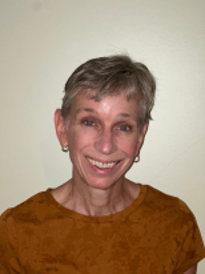
Cathron earned her master’s degree in physical therapy in 1992 from Old Dominion University, her transitional Doctor of Physical Therapy degree in 2018 from Rocky Mountain University of Health Professions, and her Doctor of Health Science degree in 2025 from the University of Indianapolis. She has practiced most of her career in pediatric physical therapy and has lived and worked in multiple places around the U.S and the world. She has been privileged to work in positions such as with military families and children in Germany; with schoolchildren in Bermuda; and with families and young children on the Navajo reservation and in remote Alaskan villages. Cathron is passionate about family- and client-centered care and instilling this value in the next generations of healthcare professionals. She currently teaches physical therapy at Russell Sage College in Troy, NY. Her research interests include support for disabled individuals as healthcare professionals and best practices to serve underprivileged populations.

Winston Kennedy, PT, DPT, PhD, MPH
Winston Kennedy, PT, DPT, PhD, MPH, is an Assistant Professor at Northeastern University with joint appointments in the Department of Physical Therapy, Movement, and Rehabilitation Sciences and the Department of Public Health and Health Sciences. He directs the Translational Research for Inclusion, Belonging, and Equity (TRIBE) Lab, where his program of research advances health equity through community-engaged scholarship focused on physical activity promotion with under-resourced communities and anti-ableist practice in healthcare. His work draws on disability studies, critical race theory, and humanizing pedagogy frameworks to examine how rehabilitation systems can better serve historically marginalized populations. Dr. Kennedy is also a licensed physical therapist who maintains active community partnerships with organizations grounding his scholarship in the priorities and lived expertise of communities the center people with disabilities. At Northeastern his pedagogical approach emphasizes clinical reasoning, evidence-based practice, and the development of socially conscious health professionals. His scholarship spans physical therapy, kinesiology, public health, and disability studies, with a focus on translating research into more inclusive and equitable rehabilitation practice.

This work is licensed under a Creative Commons Attribution 4.0 International License.