

Safety For Me Is…

What is the actual art and science of feeling safe? This simple yet profound poem connects the outer with the inner, the outside world with the mitochondrial—rather like taking a deep breath of fresh, clean air. Is this the true effect of empathy? Of “eye contact” without shame? The poem gently nudges us to pause, reflect, and contemplate what—at a fundamental level—safety is for all of us.
Four-Year Study Demonstrates Literary Narratives Improve Empathic Awareness in Occupational Therapy Students – Copy
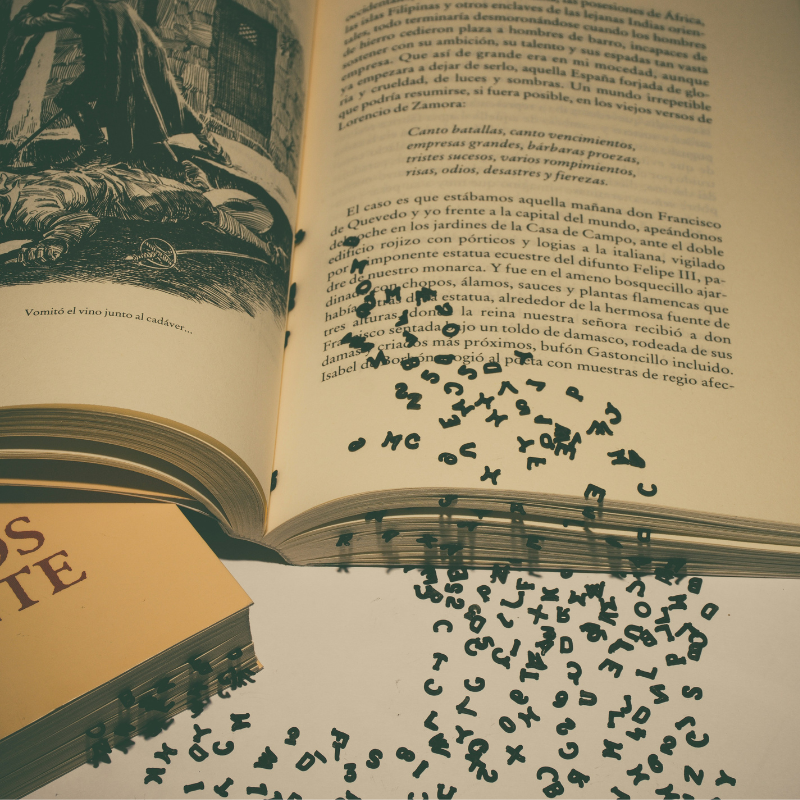
University programs are increasingly working to address the need for greater empathy in rehabilitation practices. These authors report the results of one OT program that incorporated readings, discussions, and interpretations of art to develop empathic skills in participating students. They note how the program could translate to other curricula: “The only significant change in course assignments was the replacing of medical case studies with literary narratives.”
Grief as a Fundamental Aspect of the Human Condition: Making Space For Loss in Disability and Rehabilitation

This deeply personal reflection presents a crucial message about the effect of grief on the rehabilitation process. The account begins with a moving description of the author’s own experience of grief. She reports that, seeking a way forward, she “devoured grief literature.” She presents her findings here—and suggests we honor each patient’s grief while also encouraging their acceptance of disability. “Grief and acceptance can coexist,” she concludes.
Unicorn in Motion

In her moving poem, “Unicorn in Motion”, Dr. Dawn Brown speaks to the challenges of being seen differently and provides insights into diversity and identity in physical therapy. She shows how rarity can become a source of strength rather than a source of isolation.
A Token Presence: Navigating Underrepresentation in Physical Therapy

As of 2022, Black male physical therapists comprised only 2% of the profession nationwide. This author, a DPT and accomplished educator, digs deep to find the reasons why. One main source in his research—and a crucial one going forward—is the personal voices of Black male students and practitioners. This poignant article details the daily challenges men of color deal with in the profession; the author offers his own recommendations to ensure change.
Sucking Love Out of a Straw (for Paul)

A mother is dying from a tumor in her womb. Her lips are chapped; she can barely eat or drink. The caregiver looks on helplessly, going through the motions of life support, of providing comfort. Then her child enters the room, and shows all who are there what really needs to be done—a simple act of love.
The Death of Her

Clinicians are trained to help: to put the patient first, to promote healing. But does anyone ever consider how that professional might be feeling? This brave account details the inner agonies of a physical therapist battling an internal “Her”—one that tormented her, and few around her even knew existed. Through this poem, she thanks those precious few who understood—and helped her “scars become superpowers.”
Beyond the Protocol: Reflecting on Embedding Lived Experience Knowledge onto the Research Team using the Seven-Step Framework for Critical Analysis in Physical Therapy

How often do researchers of evidence-based treatments assess their own internal team choices and how they affect the individuals they seek to help? This author says not nearly enough. She offers a solution: she details how a team researching SCI treatments included the lived-experience perspectives of invited participants in the process. The team applied a Critical Analysis framework to their self-assessment. Their results make a powerful case for including lived experience in medical research.
Rock n’ Roll Canine
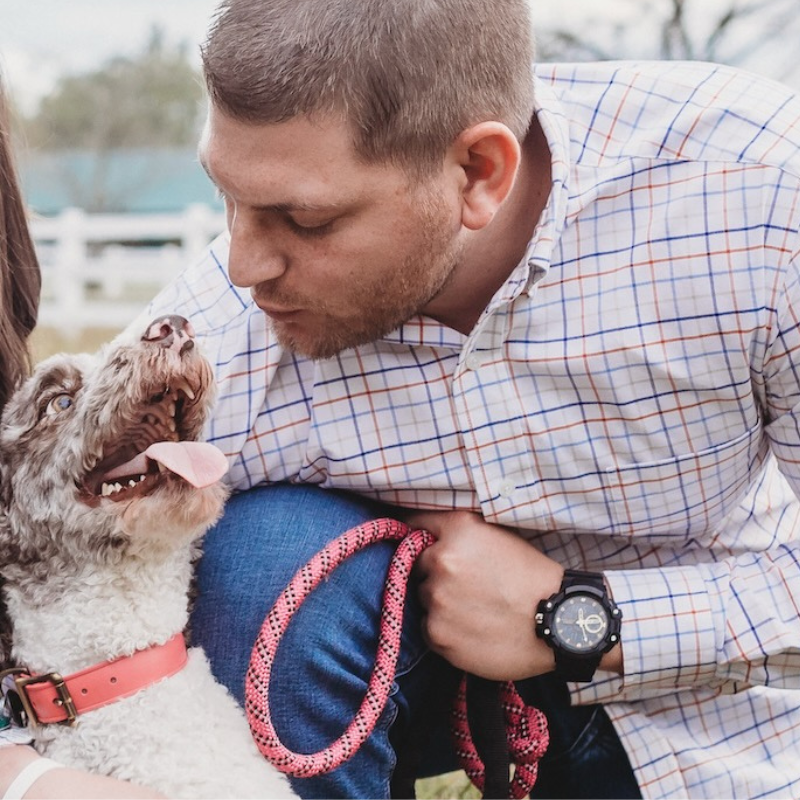
This author was diagnosed with bipolar I disorder when young. His poignant account here describes two major breakthroughs in his life that changed it forever. The first was the gift of an electric guitar. The second was meeting Stella—the companion who offered him unconditional love, and shared communication through his music. His heartfelt account demonstrates how you can find a way forward when you “believe in yourself the way those who love you the most see you.” He offers a touching musical tribute, called Grief, to mark Stella’s passing.
Anatomy of an Alarm
This poem encapsulates, in real time, the experience of a 3:00am panic attack, brought on by out-of-balance cortisol levels, and who-knows-what-other complicated factors. In this age of ‘fight-or-flight’ reactions that often don’t fit any apparent cause, the poet’s words bring home the struggles faced by many who just want to be able to relax.