

Doing Healthcare Research Differently: An Introduction to SocioHealthLab’s Special Video Series, Part 2

The SocioHealthLab “is a research collective of health and social science researchers, practitioners and students from Australia and around the world, striving for healthcare transformation through applied, justice-oriented, theory-driven, creative and collaborative socio-cultural research.” In this final video installment, authors share their creative works that range from a “poetic meditation navigating” life with aphasia to “healthcare related to sex and intimacy in the disability space.”
Three Poems: Lost in Translation
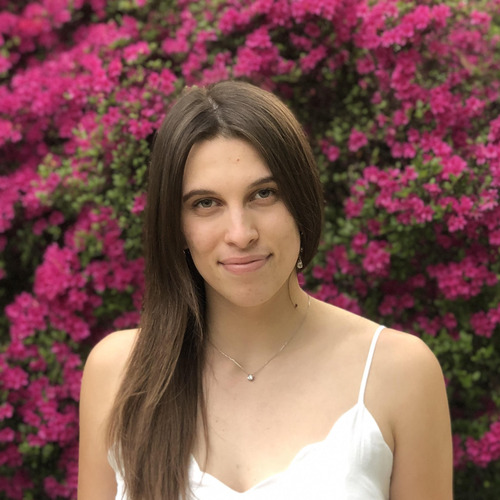
In this series of three striking, spare, and emotionally authentic poems, Marta Tymchenko provides thoughtful insights into three different perspectives on a clinical encounter. What is lost in translation when a loved one needs to interpret thoughts between the patient and the doctor?
Accommodating Students With Disabilities in Professional Rehabilitation Programs: An Institutional Ethnography Informed Study
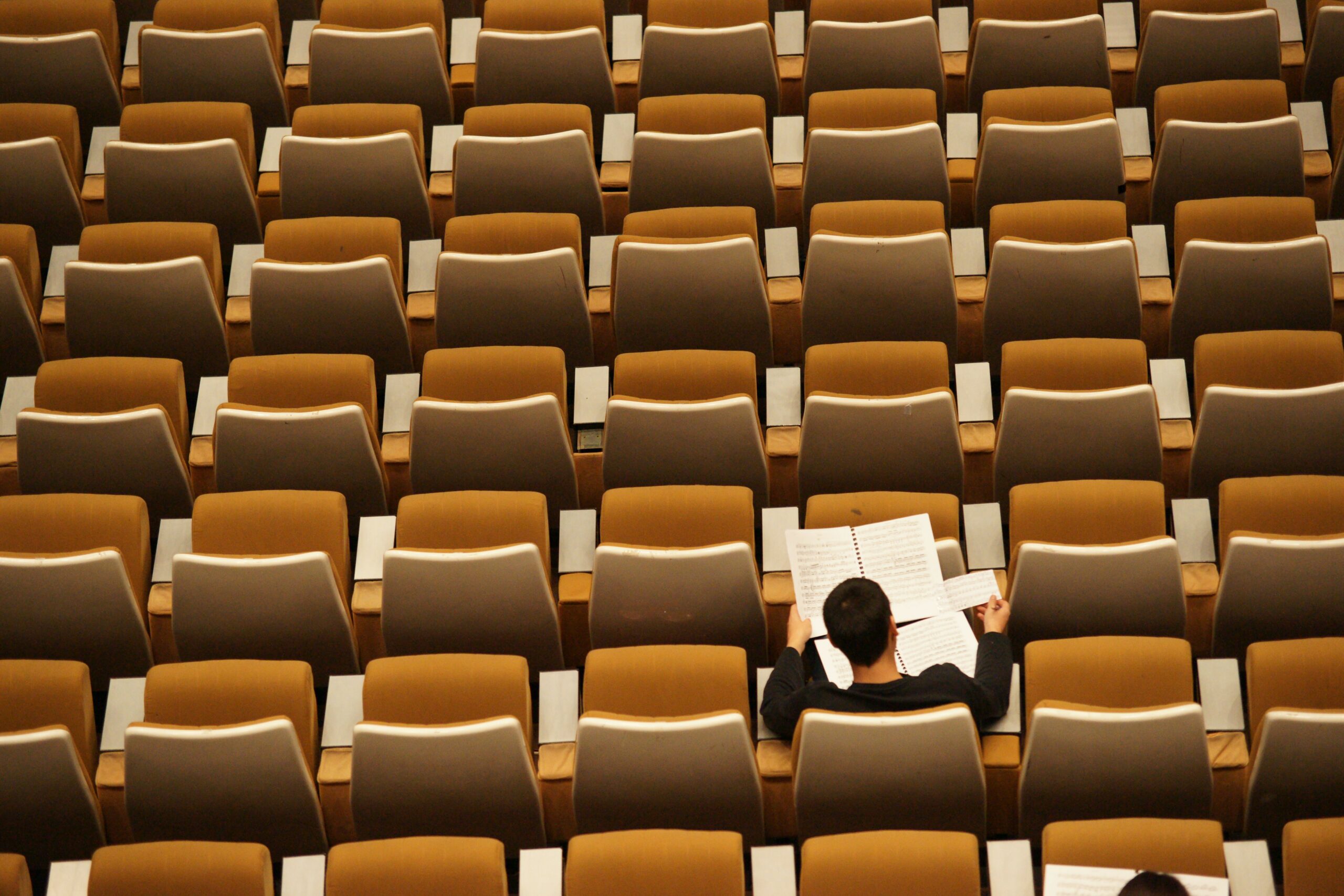
In this enlightening study, 11 educators and 4 staff members from one Canadian university were interviewed about their work of accommodating students with disabilities in their occupational therapy and physiotherapy programs. The authors identify a “false dichotomy” that places the needs of these students in opposition with some of the professional requirements of a practicing clinician—and suggest some solutions.
“Turn Your Cameras On”
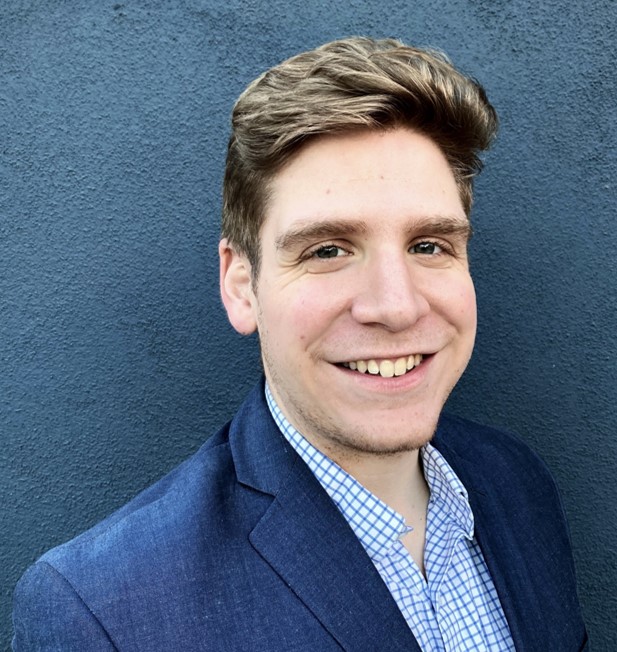
Physical therapy students nationwide are grappling with an unprecedented change in the educational system: forced remote learning of a hands-on profession. In this amusing and thoughtful essay, Noah Watson describes how experiencing one course—and witnessing its caring instructor addressing students’ frustrations—taught him the crucial importance of “empathy, patience, and compassion” in the healing process.
Resources: Finding Joy and New Perspectives

In this issue’s Resource section, Madison Beasley and Nela Handac provide a thoughtful list of resources curated to spark joy and lead to new perspectives. Offering options from a variety of multimedia sources, these engaging pieces serve as a reminder of the important role of tending to our well-being and fostering joy and creativity.
Implementing Expressive Writing in Outpatient Physical Therapy Clinics: Connecting Theoretical Foundations With Practical Strategies

This extensively-researched article presents a compelling argument for encouraging physical therapy patients to put their thoughts and feelings into writing. The authors argue that while empathetic verbal exchanges are fundamental to the rehabilitation process, simply encouraging patients to write—by using short answer prompts or other methods suggested here—can produce deeper insights that help improve treatment and outcomes.
Call for Submissions: Journal of Humanities in Rehabilitation Physical Therapy Student Essay Contest

Physical Therapy Student Essay Contest In collaboration with the American Council of Academic Physical Therapy Download the article (PDF) The Journal of Humanities in Rehabilitation (JHR) advocates for the importance of the humanities, ethics, and professionalism in physical therapy education practice because excellent clinical practice requires the ability to make meaningful connections with patients and […]
Ease in Motion: Rehabilitation Inspired by Science, Guided by Art
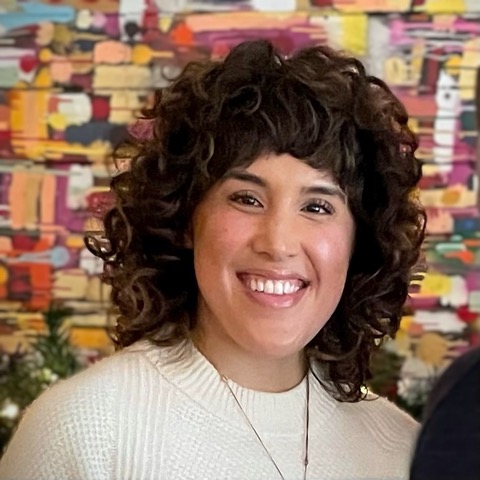
Download the article (pdf) Table of Contents Although I am a formally-trained developmental biologist and scientific researcher, I am also an avid appreciator, and sometimes practitioner, of visual art. My current work leverages the overlap between science and art to empower trainees from underrepresented backgrounds in their fields. This professional interest grew from my graduate […]
“Finding Balance: The Hidden Gift of Being Thrown Off-Course”
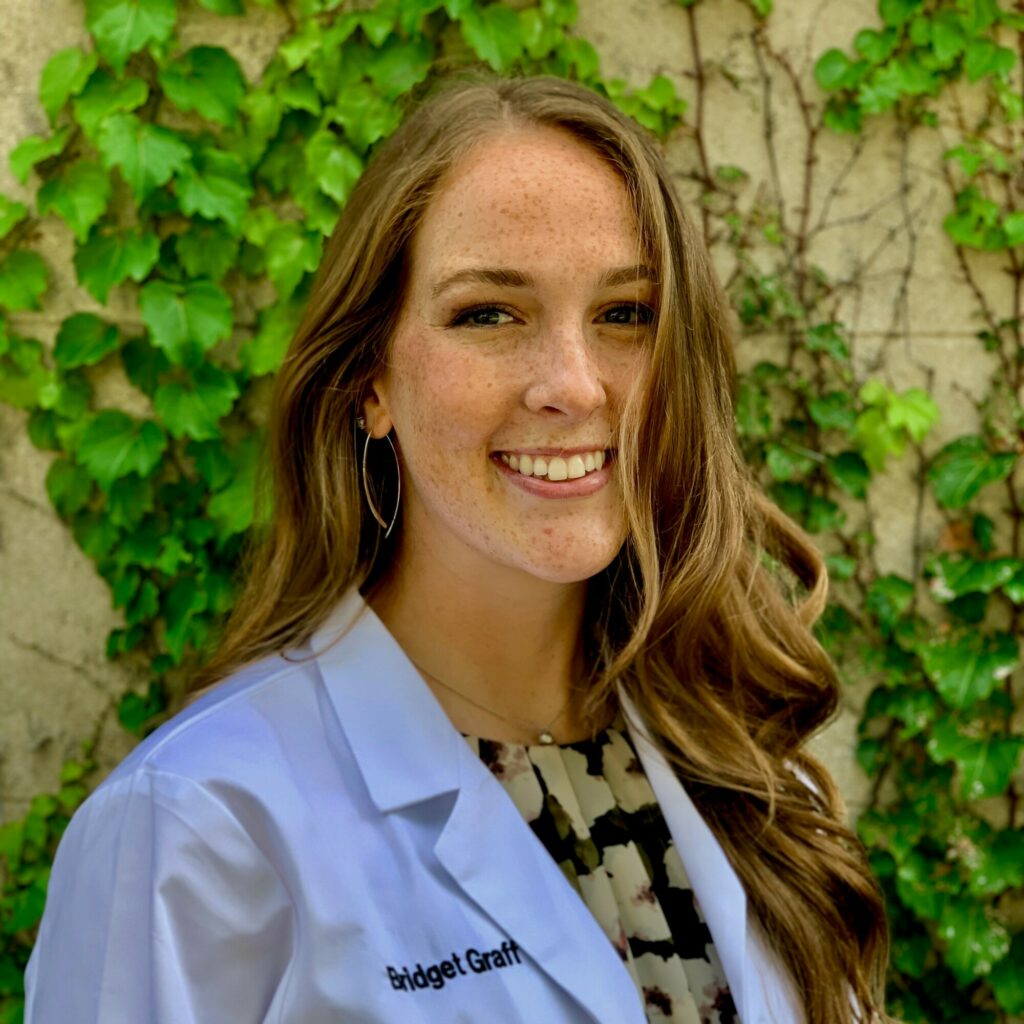
In this second student essay focused on the Covid learning years, Bridget Graff details how her frustration with forced digital learning led her to discover a whole new perspective on life and work. Moving from being an active, dynamic, overworked student to one focused more on “concepts,” she developed a work-life “balancing act” that improved her academic performance—and will serve her for years to come.
Profiles in Professionalism With Bruce Greenfield
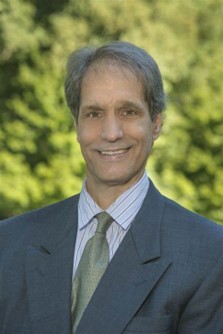
In this installment of the Profiles in Professionalism series, we interview Professor of Ethics at Emory University School of Medicine and one of the founding editors of the Journal of Humanities in Rehabilitation, Bruce Greenfield, PT, PhD, FNAP. In this interview, Dr. Greenfield discusses the intimate connections between professionalism and ethics and how he works with students to better understand their own core values alongside the core values of the profession.