

Beyond the Protocol: Reflecting on Embedding Lived Experience Knowledge onto the Research Team using the Seven-Step Framework for Critical Analysis in Physical Therapy

How often do researchers of evidence-based treatments assess their own internal team choices and how they affect the individuals they seek to help? This author says not nearly enough. She offers a solution: she details how a team researching SCI treatments included the lived-experience perspectives of invited participants in the process. The team applied a Critical Analysis framework to their self-assessment. Their results make a powerful case for including lived experience in medical research.
Rock n’ Roll Canine
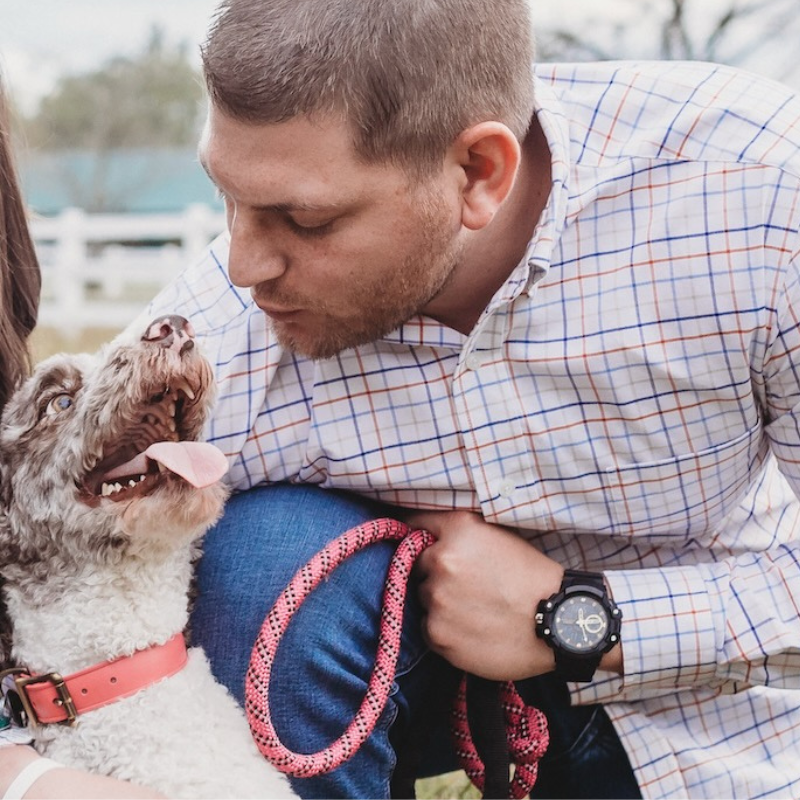
This author was diagnosed with bipolar I disorder when young. His poignant account here describes two major breakthroughs in his life that changed it forever. The first was the gift of an electric guitar. The second was meeting Stella—the companion who offered him unconditional love, and shared communication through his music. His heartfelt account demonstrates how you can find a way forward when you “believe in yourself the way those who love you the most see you.” He offers a touching musical tribute, called Grief, to mark Stella’s passing.
Anatomy of an Alarm
This poem encapsulates, in real time, the experience of a 3:00am panic attack, brought on by out-of-balance cortisol levels, and who-knows-what-other complicated factors. In this age of ‘fight-or-flight’ reactions that often don’t fit any apparent cause, the poet’s words bring home the struggles faced by many who just want to be able to relax.
Kindness as Transformation: A Metacognitive Moment With A Humanities Educator

Dr. Carey L Holleran sees kindness as the “underlying ethos” that physical therapy curricula strive to cultivate in students. In this report, she describes a moment when she rendered this concept a profound reality with a group of students. She wrote a personal letter to them, sharing her deepest faith-based reflections on treatment, and read it aloud in class. She presents that letter here. “Lean in with unexpected kindness every chance you get,” it reads. “When we deliver unexpected or even what we might think is undeserved kindness, we are agents of our own change for the better.”
A Mere Reflection: When the Curtain Closes
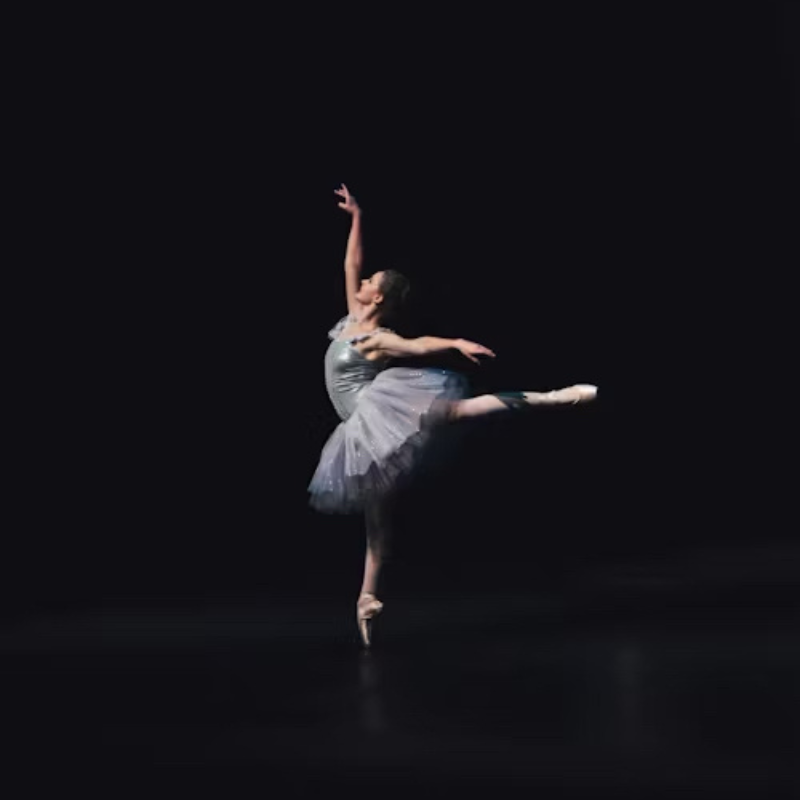
Sophie Kooy trained as a ballerina when young, only to have her dreams shattered in an auto accident. This heartfelt reflection details her despair, what kept her alive when she felt no longer able to live, and how she eventually found healing. She also found a new passion—one that her vigorous training as a dancer, she now realizes, prepared her to take on. She is currently sharing her gifts with the world in a new direction that readers will applaud.
Exploration of the Use of Balint Groups in Physical Therapy Education
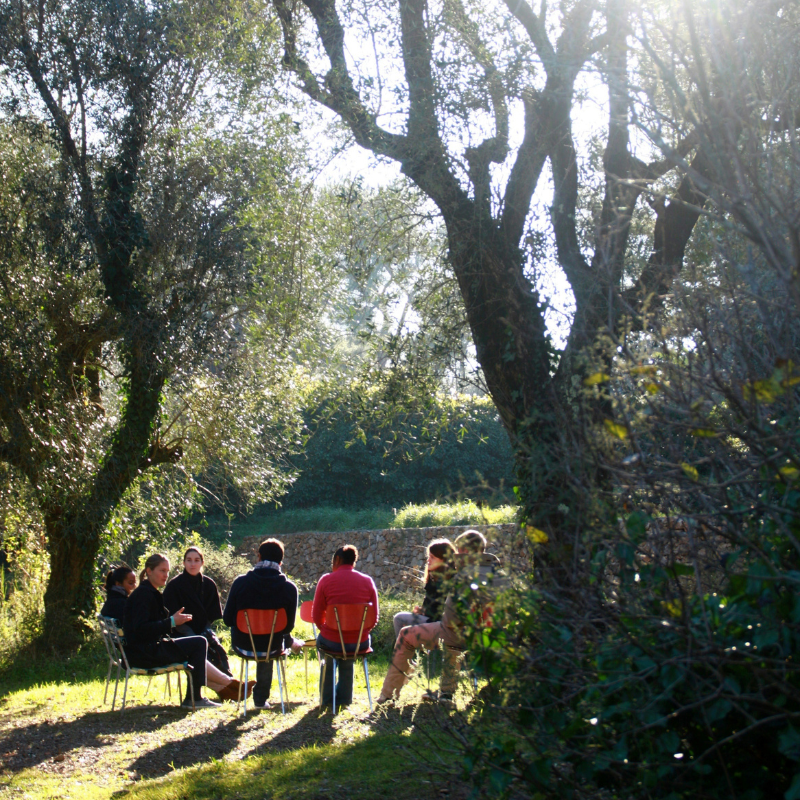
Many of the articles in the Fall issue of JHR speak of the need for increased empathy in rehabilitative care. Although the concept may feel groundbreaking, it is not new. Michael and Enid Balint created Balint groups in the 1950s, where physicians met regularly to discuss their cases with a focus on humanism. This article reports on the implementation of a Balint group experience in a current DPT curriculum. Direct quotes from the students detail the benefits of the experience for themselves—and their future patients.
Miraculous Medicine

Dr. Morgan Kelly recounts just one of her countless profound experiences with patients in the ICU. Her words encourage us to consider life and death; should all those who are clinically dead be brought back to life through technology? This patient didn’t want it, preferring to be back with “my God.” This poem prompts the reader to consider that two truths can exist concurrently: miraculous medicine to save lives and faith in a peace beyond death.
Stroked Poet: Thirteen is a Lucky Number
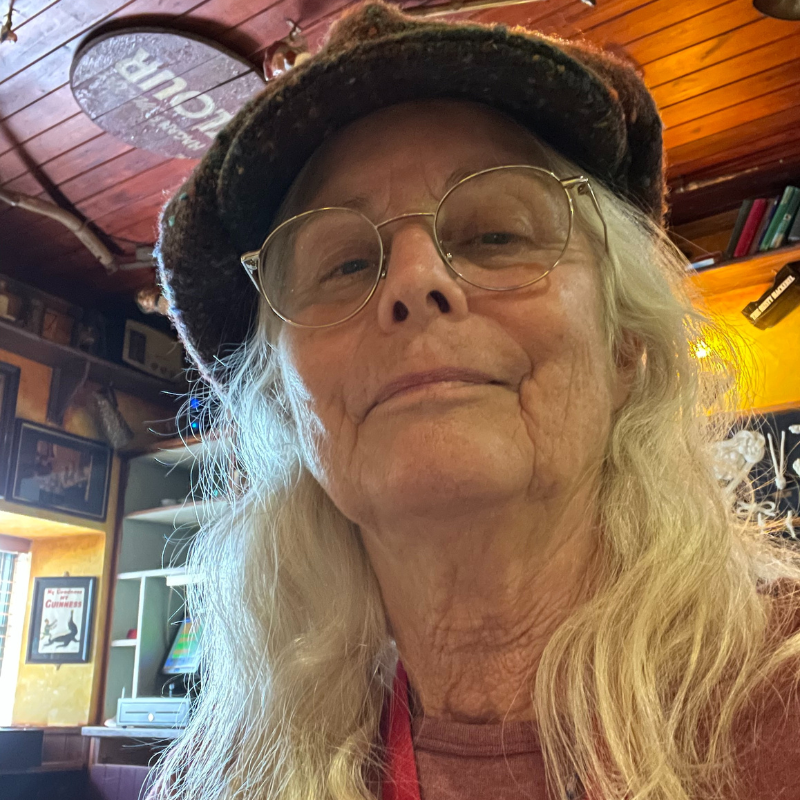
Barbara Huntington offers readers a fascinating chance to experience the workings of a poet’s brain post-stroke. These 13 poems, written as the days play out, move from confusion to blinding clarity and back again. Throughout it all, the poet is sharply aware, watching it all, commenting on it for the world to witness. At one point, he offers a brilliant commentary in ¾ time! This is an experience well worth sharing.
The Descent
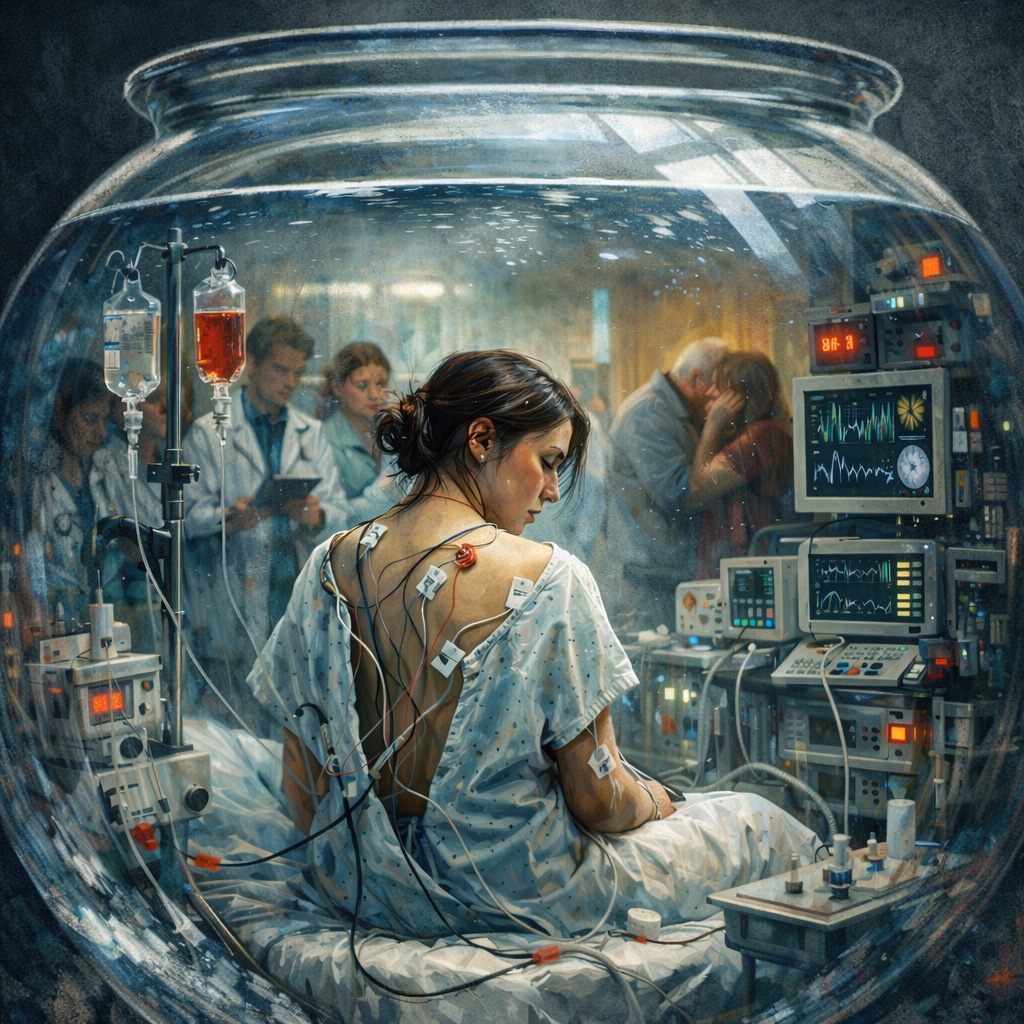
This brief, powerful poem captures the agonizing experience of a frightened hospital patient—anonymous yet on display to strangers, alone in their “silent cries.” Beautifully composed, this masterful piece hits home in a few, raw seconds.
Lab Rats and Book Bodies: Creating Intersubjectivity for Patients and Practitioners
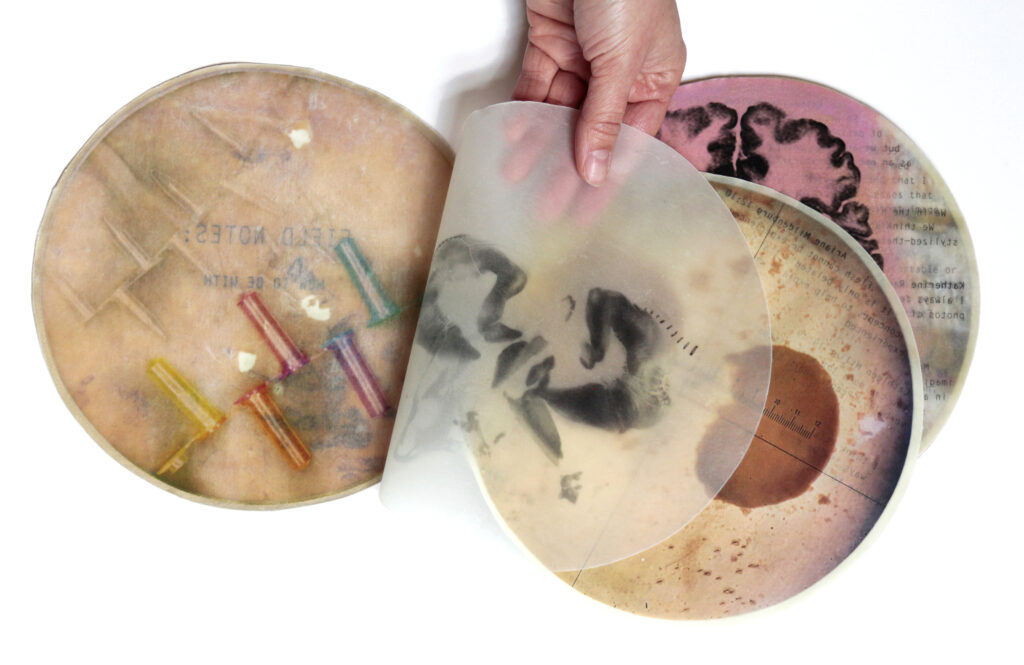
This moving artist’s report seeks to equate the experiences of lab rats with those of patients within our healthcare system. Are both simply objects of observation, of intervention? Or are they living beings with a shared power and beauty that can be witnessed at the microscopic level? The author translates her insights from the laboratory into an immediate experience for readers with homemade books whose images raise the minute to the universal.