Category: Poetry

Block and Fall

The COVID pandemic highlighted a reality that certain healthcare workers have always faced: as they care for others, they also put themselves at risk. How do you handle knowing you could be harmed by the very profession your heart has called you to join? In this powerful short poem, Katy Giebenhain encapsulates the mad courage it can sometimes take to simply go to work at a medical facility: “It’s the job.”
The Crying Oboe and Steady Strings

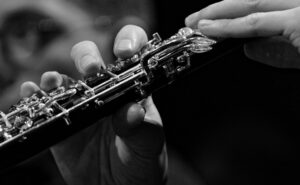
In this gentle yet heart-rending poem, Dr. Sue Curfman follows the notes of Dvorak’s 9th symphony (‘New World’), 2nd movement, as she pictures her patients in pain, “with whom I am privileged to walk.” As the different instruments rise and fade, she likens them to the struggle toward healing that rehabilitation teams – patient and therapist – experience together. The 2nd movement is available online; you can listen to its opening strains as you experience these words unfolding.

Female CHF 89

This gentle poem honors a lovely lady—“a hundred birthdays…give or take”—who gave her body to science. As the clinicians dissect, observe, and study, the poet juxtaposes the harsh procedures with softer observations. This lady was loved and cared for. The poem pays homage to a life well-lived, and to a final decision to help others learn.

Anxiety

In a poignant cry of honesty, [poet] takes the reader on a journey inside a mind experiencing crippling anxiety. The poem moves from a vivid portrayal of daily fear toward a gradual englightenment about the nature of the condition, and finally, to a warrior-like acceptance of what anxiety is—and most importantly, what it is not.

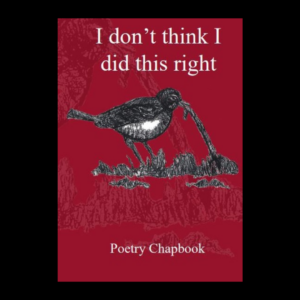
From Individuals With Aphasia and Brain Injuries to Poets: How the Book I Don’t Think I Did This Right Came to Be

From Individuals With Aphasia and Brain Injuries to Poets: How the Book I Don’t Think I Did This Right Came to Be by Kathryn Paulson, Brendan Constantine, and Jerry K. Hoepner, relates how a group of dynamic poets developed out of a few workshops for individuals with stroke-based aphasia and traumatic brain injuries. Starting out as an idea to spur creativity and help participants share their stories, the meetings quickly developed into the Thursday Night Poets group. Their first published work, described here, offers poetry of deep meaning and resonance for anyone who has ever faced a challenge.