

Janna’s Story
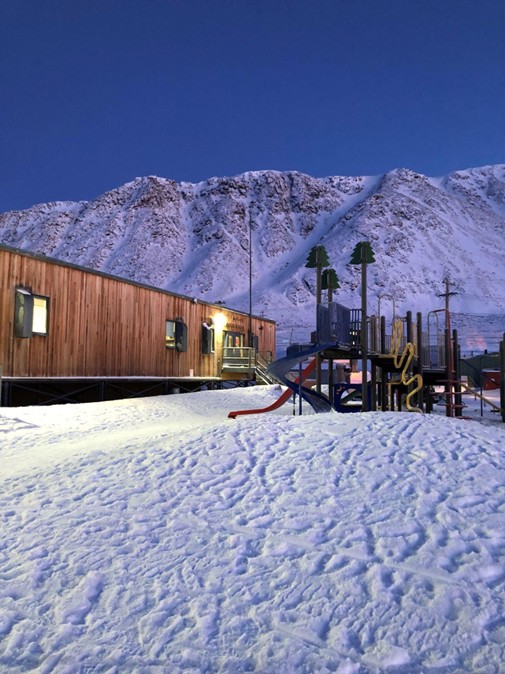
This extensive article reports on the history of oppression of the Indigenous Peoples of Canada, and relates their struggle to the present day—specifically, to the field of occupational therapy. Through the personal Stories of the three authors, the abstract becomes real. They bring to life the experiences of The Métis People, the Sipekne’katik First Nation, Mi’kmaq Nation, the Inuit Peoples and others, told from their own perspective as occupational therapists. Their goal is to inspire others to work toward “decolonization and reconciliation” throughout Canada.
Tara’s Story

This extensive article reports on the history of oppression of the Indigenous Peoples of Canada, and relates their struggle to the present day—specifically, to the field of occupational therapy. Through the personal Stories of the three authors, the abstract becomes real. They bring to life the experiences of The Métis People, the Sipekne’katik First Nation, Mi’kmaq Nation, the Inuit Peoples and others, told from their own perspective as occupational therapists. Their goal is to inspire others to work toward “decolonization and reconciliation” throughout Canada.
Justin’s Story

This extensive article reports on the history of oppression of the Indigenous Peoples of Canada, and relates their struggle to the present day—specifically, to the field of occupational therapy. Through the personal Stories of the three authors, the abstract becomes real. They bring to life the experiences of The Métis People, the Sipekne’katik First Nation, Mi’kmaq Nation, the Inuit Peoples and others, told from their own perspective as occupational therapists. Their goal is to inspire others to work toward “decolonization and reconciliation” throughout Canada.