

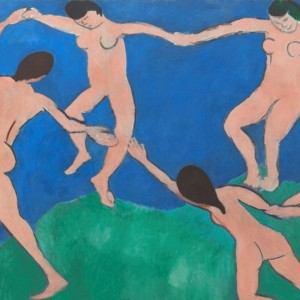
Matisse: Innovation in the Face of Physical Limitations
Perspectives in Art Section Editor Siobhan Conaty discusses the role of physical disability in the life of artist Henri Matisse.
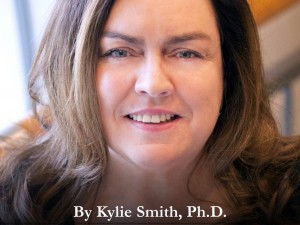
Recovery and Reflection: The Role of History in Nursing Education
Dr. Kylie Smith explores the history of mental health nursing by studying the therapeutic role of nurses. By examining the social and historical context of nursing practice, she highlights the humanities as powerful educational tools that allow one to critically analyze the assumptions and narratives that underpin modern health care practice.
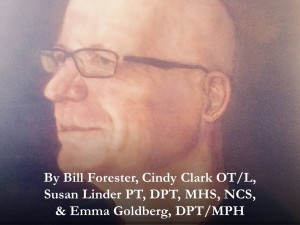
Art Saved My Life
Bill Forester reflects on re-discovering himself after suffering a massive hemorrhagic stroke. Realizing that he would not be returning to work, Bill and his family devoted their time to his rehabilitation, embarking on an ambitious path of trial and error and the ultimate discovery of painting as a medium for rehabilitation.
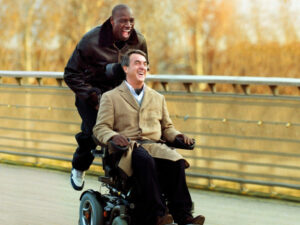
The Intouchables, A Reflection on Disability and Caregiving: Who Helps Whom?
The Olivier Nakache and Eric Toledano film “The Intouchables” poignantly challenges traditional perceptions of disability by asking viewers to contemplate what it truly means to live a full life. The film has served as a powerful educational tool for Sarah Caston, Assistant Professor in the Wingate University Department of Physical Therapy.

Gifts of Wisdom
Welcome to the Fall 2016 issue of the Journal for Humanities in Rehabilitation. In a time when civil discourse is challenged by an atmosphere of socio-political unrest, the humanities provide a landscape to foster mindful reflection, to hear our shared stories of suffering and resilience, and to see the expansive potential of art to create meaning in our lives.

“We are looking for positives here”: Seeking Intersections of Pain, Grief and Disability
Dr. Christina Crosby broke her neck in a cycling accident in 2003. She argues that chronic pain and grieving over incapacity need to be openly explored in both therapeutic and scholarly conversations about disability, because pain unacknowledged is corrosive and weakens attachment to ongoing life.
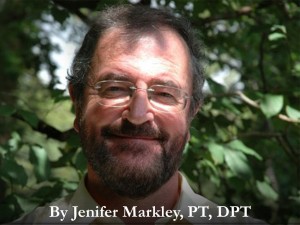
Poet in Profile: John O’Donohue
Dr. Jenifer Markley examines how the poetry of John O’Donohue challenges healthcare workers to reassess their interactions with suffering “at the intersection of the sacred with the profane.”

From Surviving to Flourishing: Using Narrative as a Tool for Patient-Centered Care
Alison Cogan, occupational therapist and doctoral candidate at the University of Southern California, explores the benefits of developing skills for understanding and interpreting stories through reading and analyzing published first-person illness narratives.
“Research” What You Say: I Did Not Suffer a Stroke, I Survived One
Stroke survivor Eva Froehle reflects on the use of language in study recruitment material as she shares thoughtful insights from a research participant perspective.
Lessons Outside the Classroom: The Moultrie Migrant Farmworker Experience
Dr. Jodan Garcia writes about the transformative experience of serving migrant farmworkers in south Georgia.
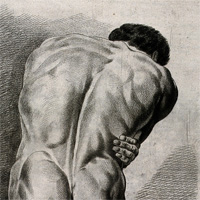
“It Sounds Like a Drama:” Hearing Stories of Chronic Low Back Pain Through Poetic (Re)presentation
British researchers Dr. Vinette Cross and colleagues bring a poetic voice to the experiences of patients with chronic low back pain and their family members, creating a performance that bears witness to the frustration, sadness and resolve of these individuals.
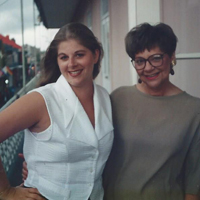
Remnants of Her
Program Director in Nutrition and Dietetics at the University of Southern Mississipi, Dr. Holly Huye shares a poignant reflection of her mother’s struggles with dementia and a family’s dedication to preserving memories.
Of Human Bonding: Developing Interprofessional Competencies in the Humanities Classroom
Health humanities scholar and creative writer, Dr. Lisa Kerr Dunn joins with Medical University of South Carolina colleagues to provide strategies for designing health humanities courses to foster the development of student collaborative knowledge, attitudes, and skills.
Sharing Spirits and Silence is Strength
Struggling with severe aphasia after her stroke, Yvette Warren offers a truly powerful poetic expression of her journey and reminds us of the strength in silence.
The Humanities and Speech-Language Pathology in Rehabilitation
Dr. Jacqueline Laures-Gore, Director of the Aphasia and Motor Speech Disorders Research Lab at Georgia State University, describes how speech-language pathologists have sought to use modes of artistic expression to link humanistic endeavor with the science of clinical work.