

Office Visit

With observant humor and a brisk rhythm, Michele Mekel’s poem evokes the memory of an awkward encounter in a waiting room, where a doctor initially dismissed her at first sight. “Office Visit” serves as a reminder to healthcare professionals not to make snap judgments and underestimate their clients.
Reconciling Mystical Experience with Concept of the Self: The Poetry of an Individual with a Right Temporal Lobectomy

This poignant report maps the direct line between the introduction of humanities into rehabilitation and its powerful impact on healing—and beyond. It begins with a case study of a 47-year-old woman with a right temporal lobectomy at age 22, who has written poetry over the past 30 years “to express her positive mystical experiences.” The content then switches to the first-person, with poet Michele Slaton describing the remarkable insights she has experienced on her rehabilitation journey. Her poems, included here, present a deep and moving argument for the gifts that a physical crisis can unlock when humanities play a part in treatment.
Community Mobility Method Selection in Individuals With iSCI: A Qualitative Analysis
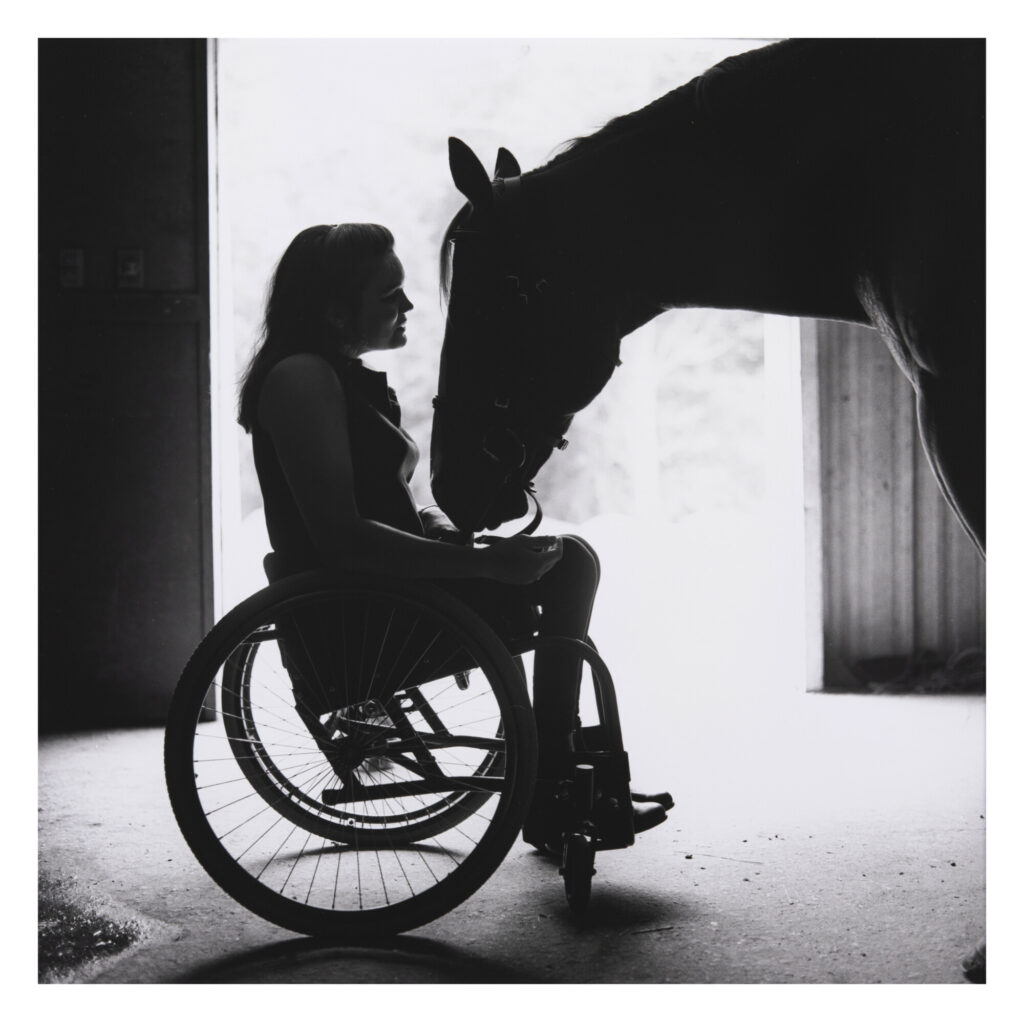
A primary rehabilitation goal for individuals with motor incomplete spinal cord injury (iSCI) is to regain their walking abilities. But what factors influence their paths to achieving that goal?
Fall Editorial 2021: “Hope is a Muscle”

As we continue to grapple with multiple challenges to our collective well-being, Sarah Blanton explores the healing power of hope in her latest editorial. How, she asks, might we transform “a landscape of loss” into a “horizon of hope?”
A Reorientation of Belief: Considerations for Increasing the Recruitment of Black Students Into Canadian Physiotherapy Programs
Guided by the work of cultural theorist Sara Ahmed and critical race scholar Camara Phyllis Jones, these authors explore the perspectives of experts regarding barriers to and opportunities for increasing the recruitment of Black students into physical therapy programs in Canada.
“Is the Assumption of the Autonomous Individual Holding Us Back in Vocational Rehabilitation?”

Presenting an intriguing exploration of professional mindsets, Joanna K. Fadyl, in a creative collaboration with colleagues, argues that assumptions regarding individual autonomy are indeed holding rehabilitation practices back.
“Do You Have the Coronavirus?”
On a day that should have been memorable for its joy, Henry Fok had an encounter that would ultimately inspire him to re-examine his future role as a physical therapist.
Toward a Social Psychoanalysis of Rehabilitation Practice

In a fascinating and thought-provoking piece, Thomas Abrams calls on the works of Sigmund Freud, and of modern critics and interpreters of Freud, to explore the rehabilitation clinic as a “space of desire.” What desires motivate patients and rehabilitation teams alike?
The Therapist-Advocate: Transcending Knowledge and Skill to Address Societal Needs
In the beginnings of the Black Lives Matter movement, Xavier Gibson was studying for his DPT. “Important muscles and important social movements; how could I possibly weave a life as a future healthcare provider while being an advocate for change?”
Piloting a Photography Program as Recreational Therapy for Adults With Spinal Cord Injury
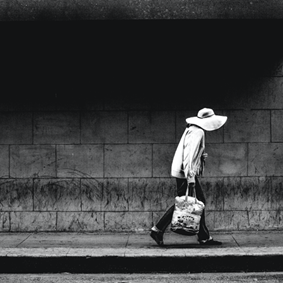
This article and the photos that accompany it speak volumes about the lives and perspectives of the photographers presented: SCI patients at the Rancho Los Amigos National Rehabilitation Center in Los Angeles.