

A Quarter-Century Post-Olmstead, We’re Still Waiting for Freedom
doi: 10.18737/0607333584 AMA Citation: Kelly D. A Quarter-Century Post-Olmstead, We’re Still Waiting for Freedom. J Hum Rehabil. 2024; Fall. doi:10.18737/0607333584 Download the article (pdf) Table of Contents Twenty-five years ago, the Supreme Court’s ruling in Olmstead v. L.C.1 was seen as a victory for disability rights. Led by Georgia disabled advocates Lois Curtis and Elaine […]
Art, Well-being and Medicine at the Barnes Foundation

A key mission of the Barnes Foundation is the promotion of education through art appreciation. Its Art, Well-Being and Medicine program was created in 2017. Practitioners and patients alike experience the Barnes’ vast collection through seven guided exercises; the results can be profound. This article takes the reader into an encounter with art at the Barnes, and shows how the questions raised among colleagues can impact clinical perspectives.
Female CHF 89

This gentle poem honors a lovely lady—“a hundred birthdays…give or take”—who gave her body to science. As the clinicians dissect, observe, and study, the poet juxtaposes the harsh procedures with softer observations. This lady was loved and cared for. The poem pays homage to a life well-lived, and to a final decision to help others learn.
Running Before I Could Walk
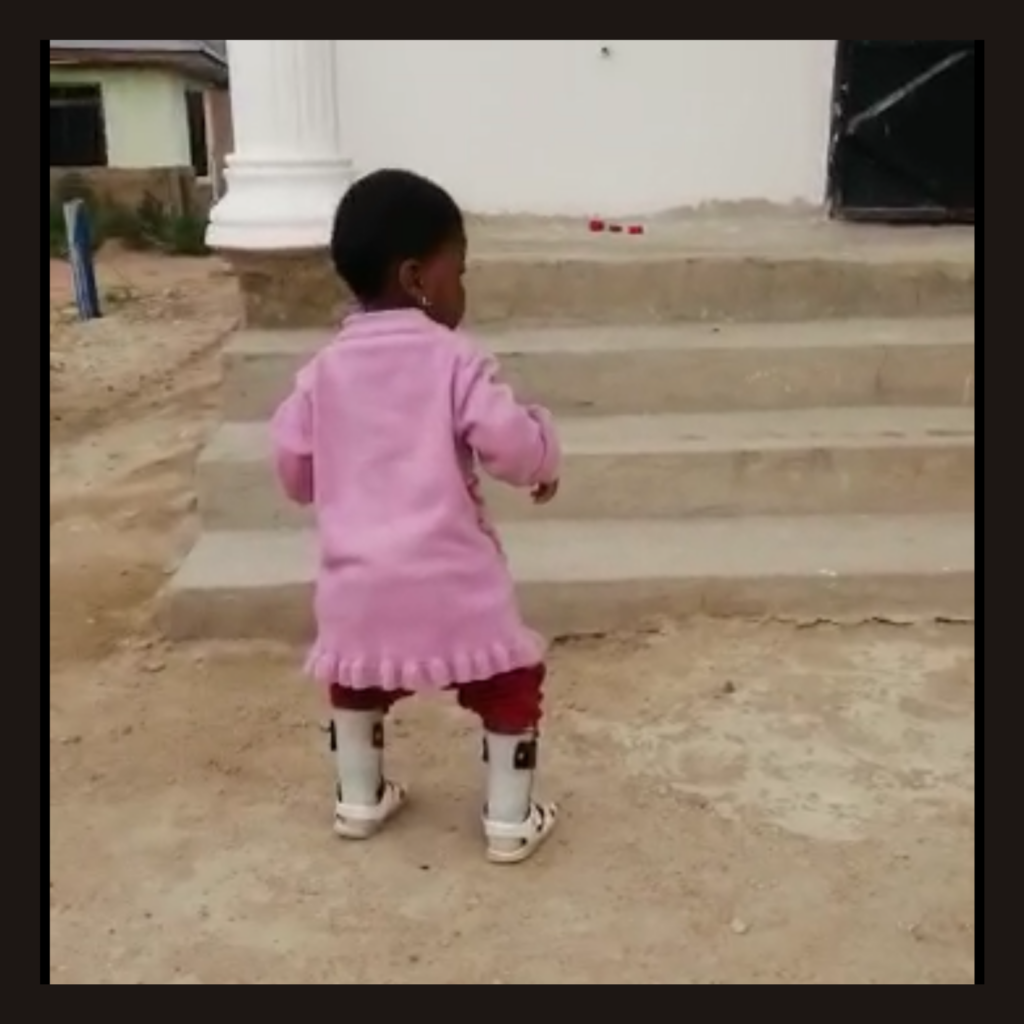
Physical therapists who fulfill a clinical rotation abroad often quickly gain new cultural and medical insights. The experience can be particularly intense for students. In this soul-searching account, SPT Mitchel Fenrich describes his day-by-day enlightenments while seeking to help a child with cerebral palsy in Tanzania. He notes the new perspectives he gained on clinical assessments, treatments, cultural mores—and on himself as a practitioner.
Anxiety
In a poignant cry of honesty, [poet] takes the reader on a journey inside a mind experiencing crippling anxiety. The poem moves from a vivid portrayal of daily fear toward a gradual englightenment about the nature of the condition, and finally, to a warrior-like acceptance of what anxiety is—and most importantly, what it is not.
Mirroring Each Other: Beyond AI’s Capability
doi: 10.18737/0607247888 AMA Citation: Miller C. Mirroring Each Other: beyond AI’s capability. J Hum Rehabil. 2024; Fall. doi:10.18737/0607247888 Download the article (pdf) Table of Contents Congratulations to Doctor of Physical Therapy Student, Caitlin Miller (George Washington University), finalist of the annual Student Essay Contest, co-sponsored by the American Council of Academic Physical Therapy (ACAPT) and […]
The Necessity of Soul and the Role of AI in the Art of Rehabilitation

doi: 10.18737/0607228376 AMA Citation: Magpile M. The Necessity of Soul and the Role of AI in the Art of Rehabilitation. J Hum Rehabil. 2024; Fall. doi:10.18737/0607228376 Download the article (pdf) Table of Contents Congratulations to Doctor of Physical Therapy Student, Michaela Magpile, SPT (Columbia University), finalist of the annual Student Essay Contest, co-sponsored by the […]
Playful Practices: Reflections on Teaching About Narrative Roleplaying Games in Care Contexts

This insightful article describes the creation of a roleplaying workshop for residents of a Children’s Hospital for Mental Health in Buenos Aires, Argentina. The authors demonstrate how “the use of narrative roleplaying games in diverse contexts of care and rehabilitation” can foster ways for children to relate with each other “by sharing the pleasure of playing.”
A Healthy Neck Should Disappear: a Phenomenological Anatomy of ‘Body-With-Neck-in-the-World’ to Inform Clinical Research and Practice
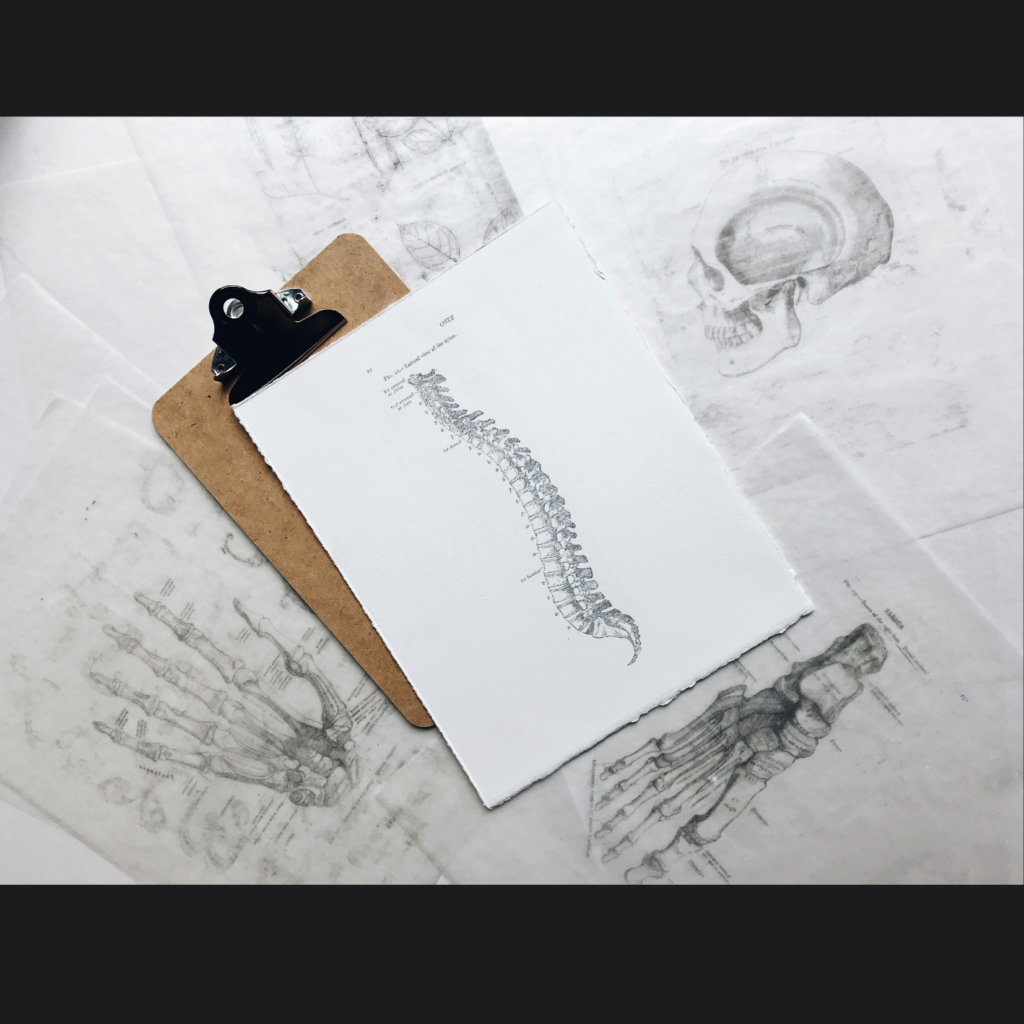
What is the actual role of the neck in a person’s overall well being? How might a deeper understanding of the “neck-in-the-world” contribute to treatment of neck pain? This fascinating article offers a unique perspective on the neck “as a part of the body gestalt,” and explores how understanding its true role may lead to innovations in pain management.
Examining Anti-Blackness in Canadian Physiotherapy Education Using Critical Race Theory and Critical Race Feminism as Theoretical Perspectives

Download the article (pdf) Table of Contents Abstract This article offers a critical examination of the pervasive issue of anti-Black racism within the Canadian physiotherapy (PT) academy. Despite initiatives aimed at addressing inequities in health professions education, systemic barriers to equity, diversity, and inclusion persist for the Black PT learner and practitioner. The profession is […]