

Accommodating Students With Disabilities in Professional Rehabilitation Programs: An Institutional Ethnography Informed Study
In this enlightening study, 11 educators and 4 staff members from one Canadian university were interviewed about their work of accommodating students with disabilities in their occupational therapy and physiotherapy programs. The authors identify a “false dichotomy” that places the needs of these students in opposition with some of the professional requirements of a practicing clinician—and suggest some solutions.
“Turn Your Cameras On”
Physical therapy students nationwide are grappling with an unprecedented change in the educational system: forced remote learning of a hands-on profession. In this amusing and thoughtful essay, Noah Watson describes how experiencing one course—and witnessing its caring instructor addressing students’ frustrations—taught him the crucial importance of “empathy, patience, and compassion” in the healing process.
Implementing Expressive Writing in Outpatient Physical Therapy Clinics: Connecting Theoretical Foundations With Practical Strategies

This extensively-researched article presents a compelling argument for encouraging physical therapy patients to put their thoughts and feelings into writing. The authors argue that while empathetic verbal exchanges are fundamental to the rehabilitation process, simply encouraging patients to write—by using short answer prompts or other methods suggested here—can produce deeper insights that help improve treatment and outcomes.
Call for Submissions: Journal of Humanities in Rehabilitation Physical Therapy Student Essay Contest

Physical Therapy Student Essay Contest In collaboration with the American Council of Academic Physical Therapy Download the article (PDF) The Journal of Humanities in Rehabilitation (JHR) advocates for the importance of the humanities, ethics, and professionalism in physical therapy education practice because excellent clinical practice requires the ability to make meaningful connections with patients and […]
“Finding Balance: The Hidden Gift of Being Thrown Off-Course”
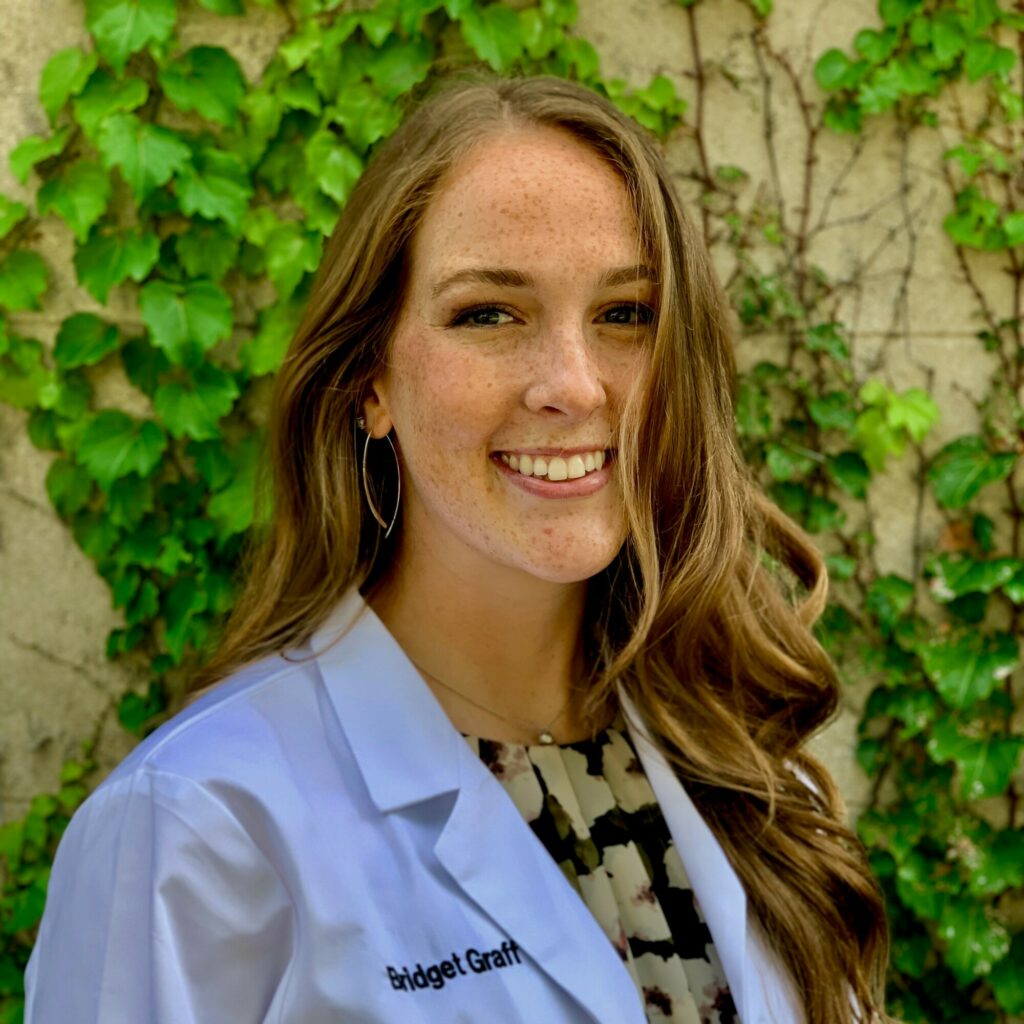
In this second student essay focused on the Covid learning years, Bridget Graff details how her frustration with forced digital learning led her to discover a whole new perspective on life and work. Moving from being an active, dynamic, overworked student to one focused more on “concepts,” she developed a work-life “balancing act” that improved her academic performance—and will serve her for years to come.
Viral Imaginations: Healing Through Pandemic Narratives
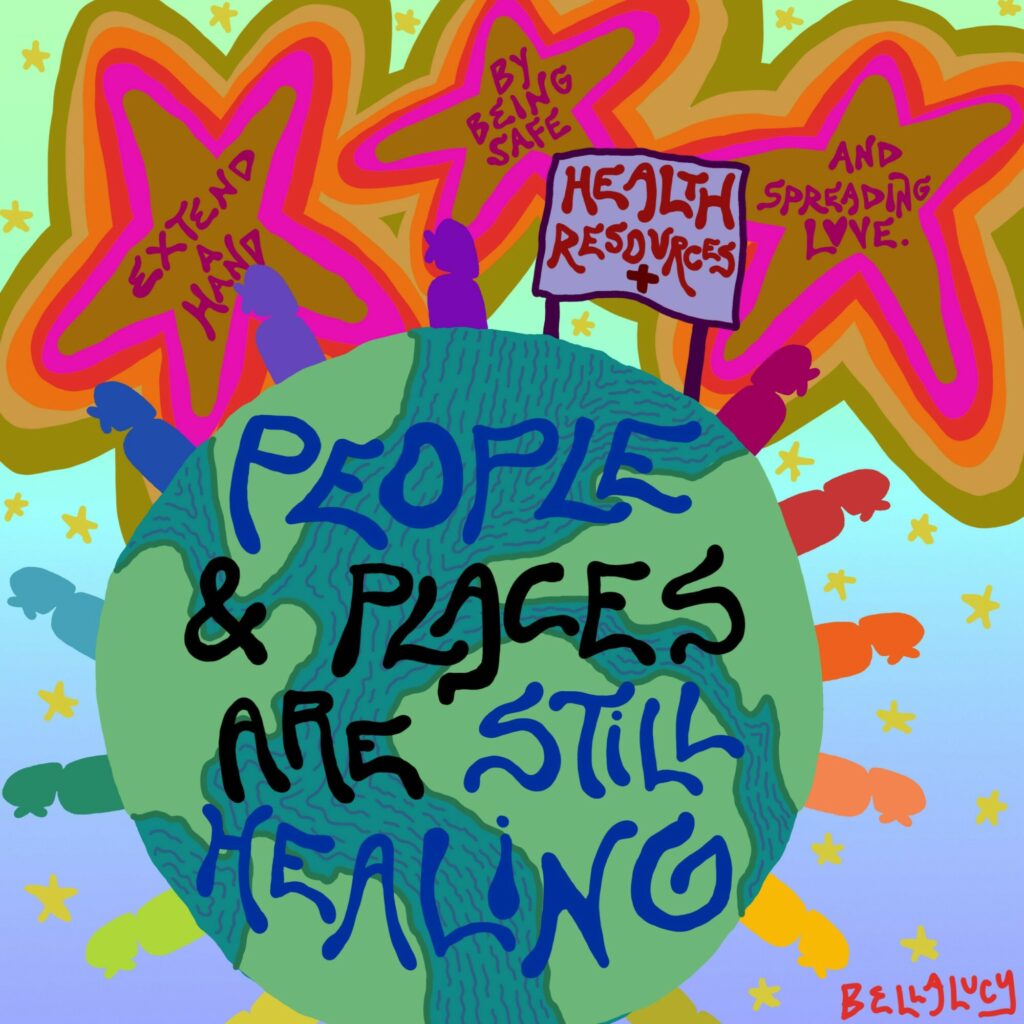
As the COVID-19 pandemic blindsided us in 2020, an interdisciplinary team at The Pennsylvania State University (Penn State) developed the Viral Imaginations: COVID-19 project to encourage all Pennsylvanians to creatively cope by telling their unique stories. The results, sampled here, were profound. The authors note that similar projects could “benefit healthcare, including rehabilitation, by creating understanding among and between patients, providers, and others involved in the circle of care.”
Afflicted With Wishes for Change
In this powerful poem, Dustin Willis reflects on the frustration a parent feels while seeking answers and compassion from doctors who give too little time, thought, and care to his son’s complex needs. He wishes for change in this broken healthcare system. This is a heartfelt appeal that keeps needing to be made.
Editorial: Strange Bed-Fellows: Can the Humanities Help the Electronic Health Records Problem?
JHR Editor-in-Chief, Sarah Blanton, PT, DPT reflects on ways in which we may call upon the humanities to help grapple with the “4,000 click” problem of electronic health records that erodes clinician morale and reduces patient interaction. She does this first by recognizing the humanistic impact of technology, and then by calling upon interdisciplinary collaborative problem solving and critical inquiry to develop innovative solutions on individual and societal levels.
Humanities Instruction in Physical Therapy Education to Cultivate Empathy, Recognize Implicit Bias, and Enhance Communication: A Case Series
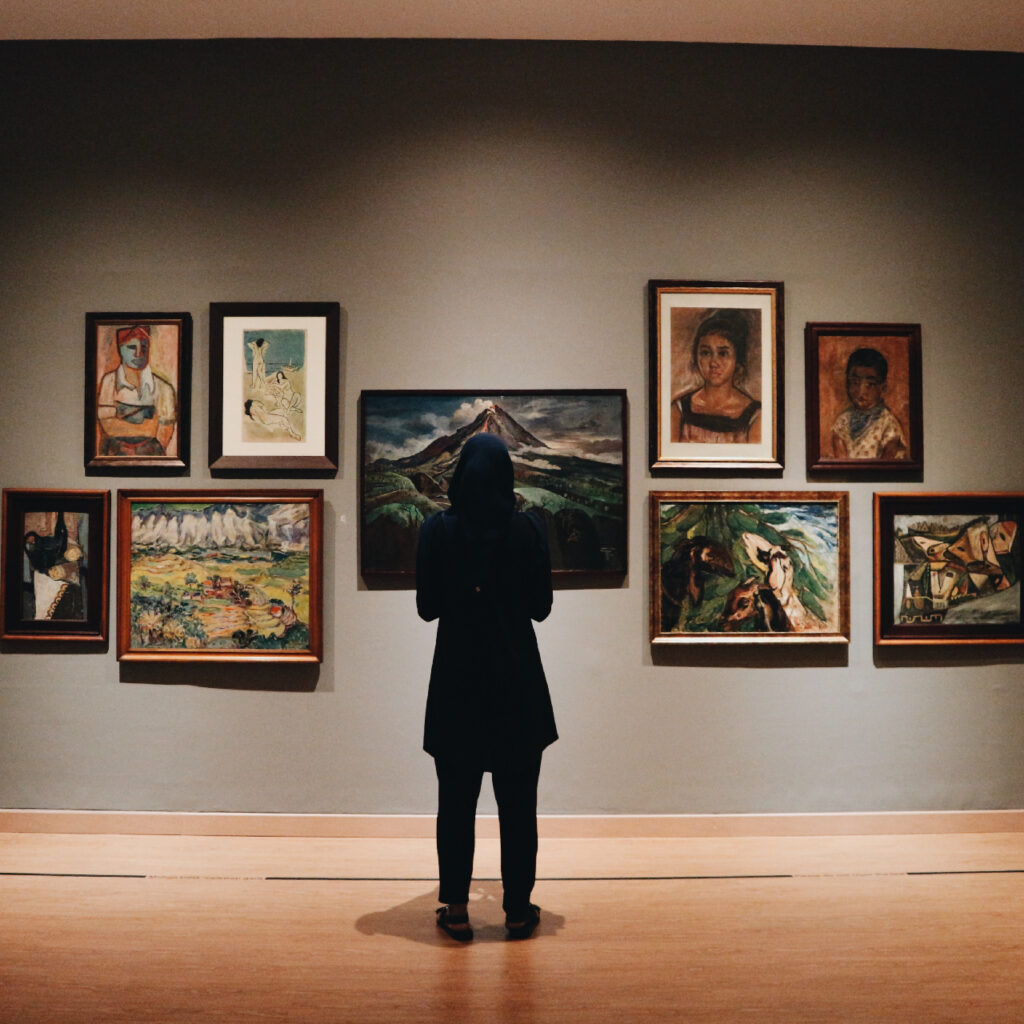
This article strives to encourage the use of humanities within physical therapy education and practice by offering examples of three health humanities-based instructional activities, including two implemented at US universities. “As curricular models in physical therapy education evolve,” the author notes, “the importance of humanities-based instruction to develop empathetic physical therapists should be considered and implemented, as it will not only benefit future patients, but the field of physical therapy as well.”
History of Present Illness

Inspired by reflections on the current Covid-19 pandemic and recalling AMA debates over the “duty to treat” HIV and AIDS patients in the 1980s, Sophie Schott has crafted a poem that challenges us not to repeat history by refusing to treat marginalized patients. “History of Present Illness” questions whether clinicians should be guided by personal preferences or by a higher calling.