

Poet in Profile – Ted Kooser
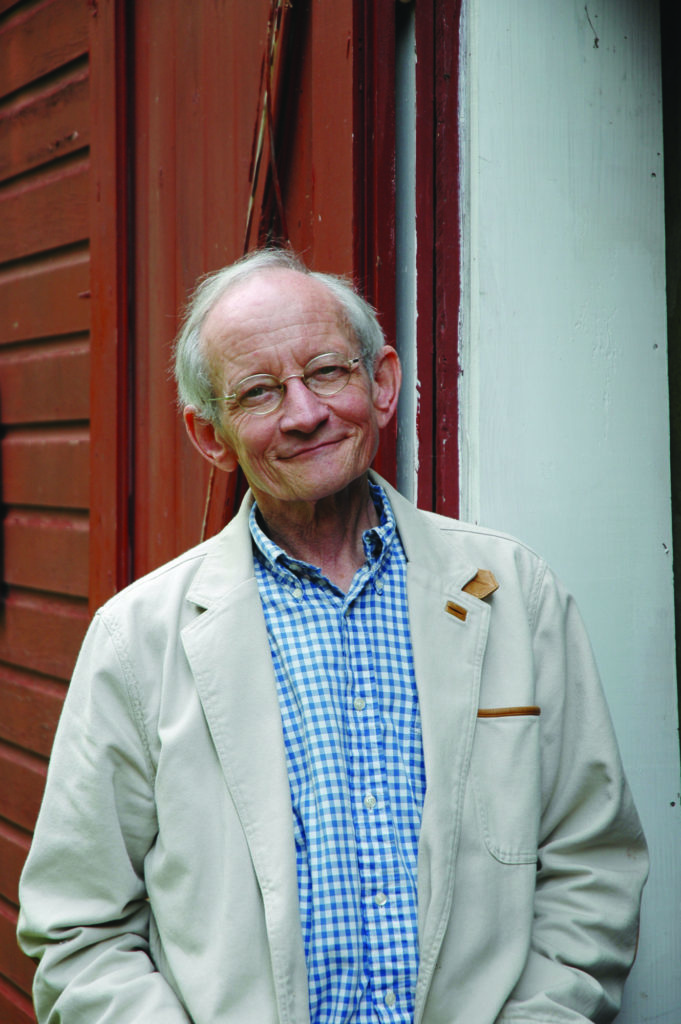
Interpreting poems written by renowned poet Ted Kooser in a Nebraskan winter in 1998, his friend Amy Haddad highlights the beauty of the human spirit when faced with life-threatening challenges. Kooser wrote the poems on his two-mile walks before dawn as he recovered from surgery, chemotherapy, and radiation for tongue and neck cancer in 1998. Compact and powerful, they show how one creative mind forged a bit of order in the “chaos” of recovery.
Editorial: The Healing Power of Seeing—and Being Seen

Part of our job as clinicians is to recognize that while our knowledge and skills are the tools to facilitate the body’s recovery from illness, it is our shared humanness, our presence, that supports the healing power of the soul. How we dance along those lines—recognizing where our role is to fix or simply be present—is the beautiful, sometimes haunting part of the rehabilitation landscape that the humanities can help us navigate.
‘Making Strange’: Exploring the Development of Students’ Capacity in Epistemic Reflexivity

Engaging in epistemic reflexivity, or the ability to question the ways in which we practice, and their association with organizational and social structures, is the key to gaining a clear perspective on the profession, according to these authors. How can students take a step back, and gain true insight into their professional world? This study employed a 7-step framework to introduce learners to the process of “making strange.”
Gathering on the Wrong Side of the Road: Critical Race Scholarship Across the Health Humanities
In a compelling response to our article, “Exploring How Racism Structures Canadian Physical Therapy Programs,” Dr. Bryan Mukandi offers an account of his critique of early drafts of the article, requested by the authors. He notes that his fear at the time was that the article “was an inadvertent reiteration of the idea that the inclusion of people of color in health disciplines is a matter of charity rather than justice.” Dr. Mukandi expresses the hope that more colleagues like these can gather with those “on the wrong side of the road” to foster dialogue and spur change.
Harnessing the Power of Language for Healing
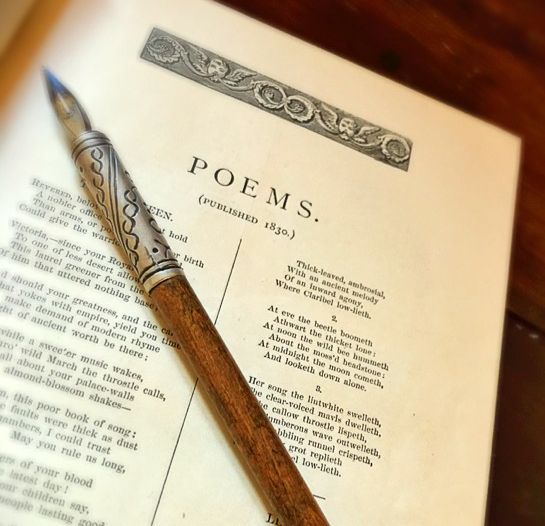
Spurred by her recollection of Amanda Gorman’s beautiful poem spoken on the steps of the Capitol building just days after a violent attack, Sarah Blanton, in her Spring 2021 Editorial, reflects on the power of words to harm or to heal. She encourages readers to consider the daily impact of their own words on those around them. She details how researchers, educators, and clinicians can more deeply engage with the humanities in order to better hear their own stories—thereby strengthening their individual power for healing with the spoken word.
Reading Eucalyptus: Reflections on Narrative Education in Medicine and Health Sciences
Healthcare educators may find inspiration from a seemingly infinite number of resources. In “Reading Eucalyptus,” Christy D. DiFrances describes how an encounter with a work of magical fiction years ago still provides her with “keen observations that are surprisingly relevant to education in academic medicine and health sciences.”
The Fragility of Life: Through Service I Live
In an honest case study from his residency year, Corey Nolte shows how “my narrow-minded understanding of the resiliency of the will to live was expanded.” As his terminally-ill cancer patient became more frail and less willing to accept treatment, they shared a tender, intimate moment of prayer. Nolte offered comfort through his patient’s final days. By carefully supporting end-of-life wishes, he notes, “we can help to unburden patient angst and give direction to our own moral compass.”
Climbing Back into the World
In her stark and direct poem, Kirsten Woodend details the “multitude of indignities” that someone “in the process of body repair” can suffer. She notes how a person in recovery becomes a child in others’ eyes, “incapable of coping mentally or physically.” The poem asks why these extra psychological burdens must be added to the healing process.
Fostering Hope and Coping While Living With Lymphedema: A Visual Narrative for Engaging Cancer Survivors and Caregivers
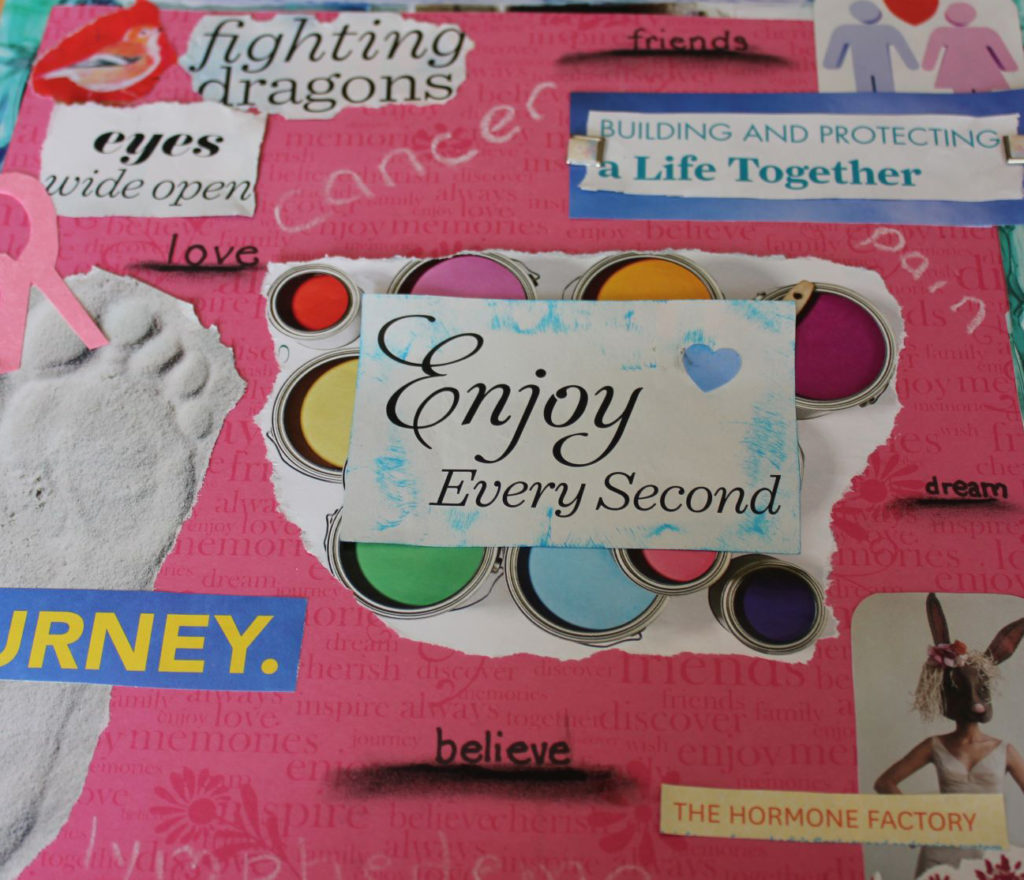
With compelling quotes from participants, and links to their groundbreaking video, these authors relate the fundamental impact of a series of workshops they developed to help cancer survivors live with lymphedema. The lymphedema video is “an accessible tool for patients, caregivers, students, and healthcare professionals,” they note. “We echo the participants’ hope that it will encourage dialogue between health professionals and patients.”
Patient Care During a Pandemic: The Significance of Humanism in Healthcare
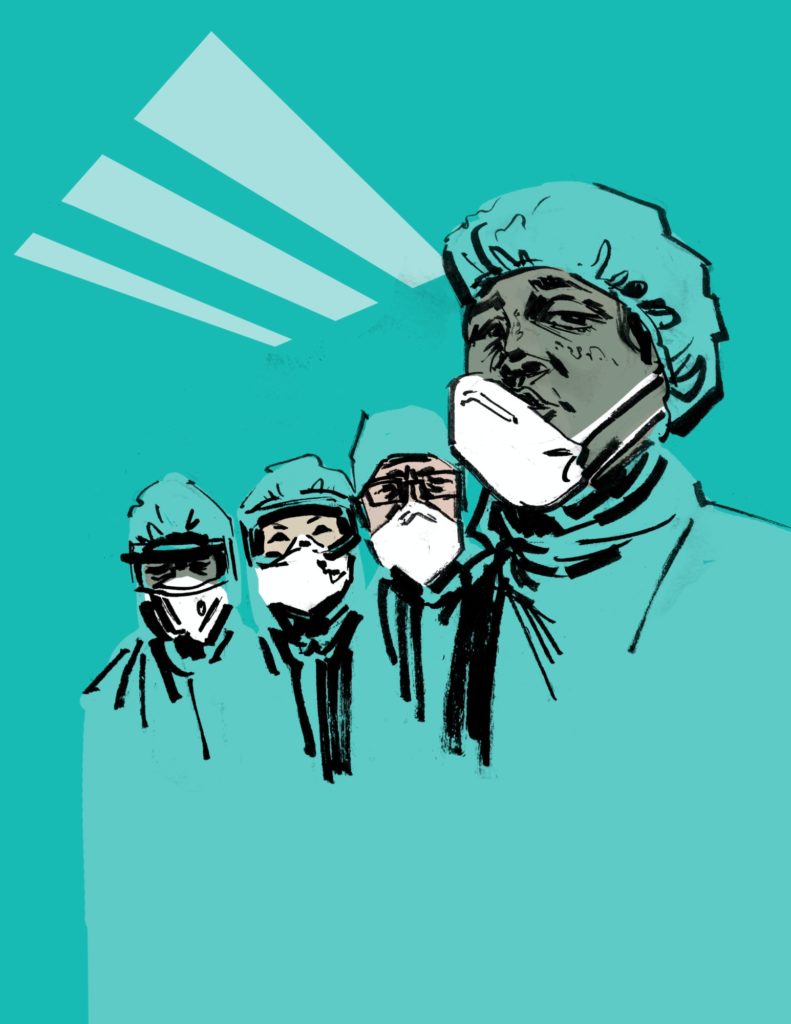
How does a student cope with isolation during a forced four-month break from clinical rotations? Olivia Wolfe enrolled in an online course, Humanism in Health and Healthcare. Its impact inspired her to use her “voice and privilege to uplift and support essential causes fighting the twin pandemics of COVID-19 and racism.” She details her journey to a new commitment to humanism at home and in the clinic.