

Art Informing Interdisciplinary Care for a Veteran Recovering from Traumatic Brain Injury: A Case Study
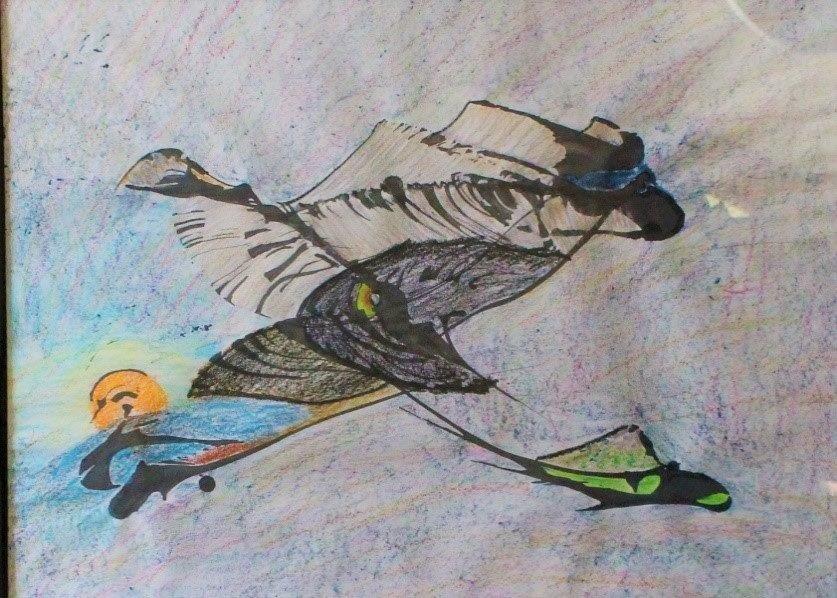
This poignant case study, featuring impressive art created by a military veteran with traumatic brain injury and comorbidities, expresses the power of Art Therapy to heal profound physical and psychological wounds. “The veteran’s art increased his self-awareness while informing the clinical team of his ongoing experience,” Gayla Elliott notes. His art and his words make a compelling case for adding art to the rehabilitation process.
Empathy
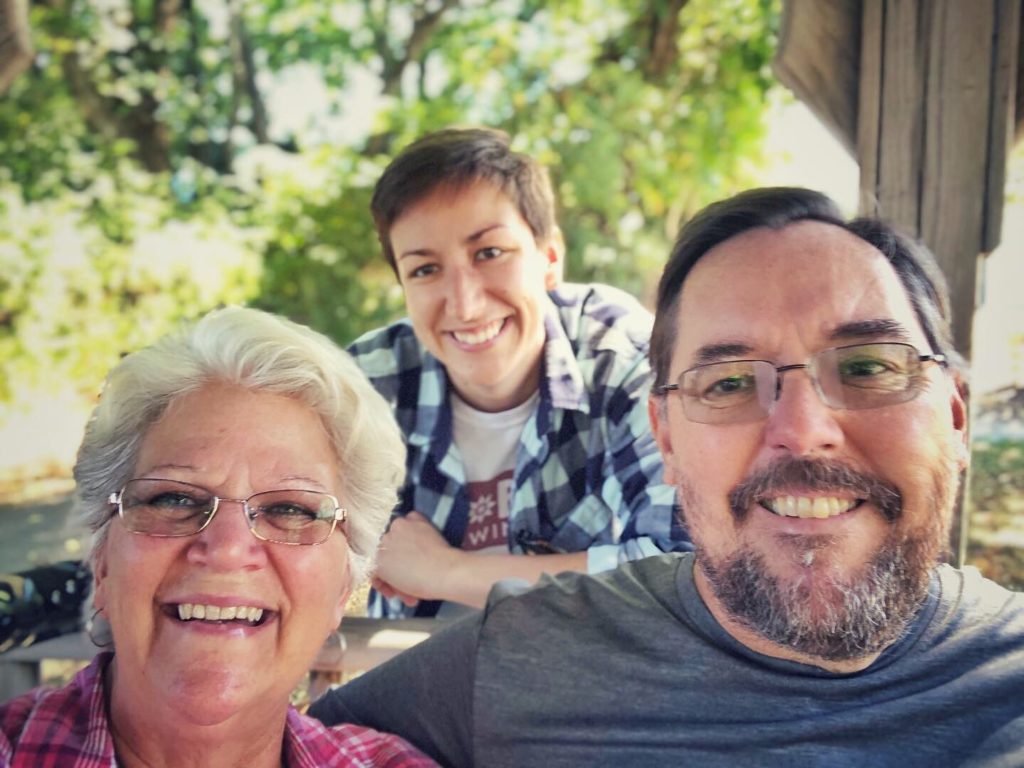
In this artfully crafted poem, Jamie Fleshman makes a strong distinction between the shallow demands of sympathy and the far deeper mutual understanding that evolves from genuine empathy. She speaks authentically from her own experience, giving moving, useful instruction to those who want to come alongside.
Spring 2021 Resources

In this issue’s Resources page, Eric Holshouser offers a rich list of ways to cope with the isolation of the COVID landscape by spurring creative thought. Readers may find respite in The Art of Happiness by the Dalai Lama, or view an online webinar on Flourishing in an Era of Uncertainty. Holshouser also includes links to crucial current information—such as the groundbreaking, and important, video The Social Dilemma.
A Journey Toward Mindfulness
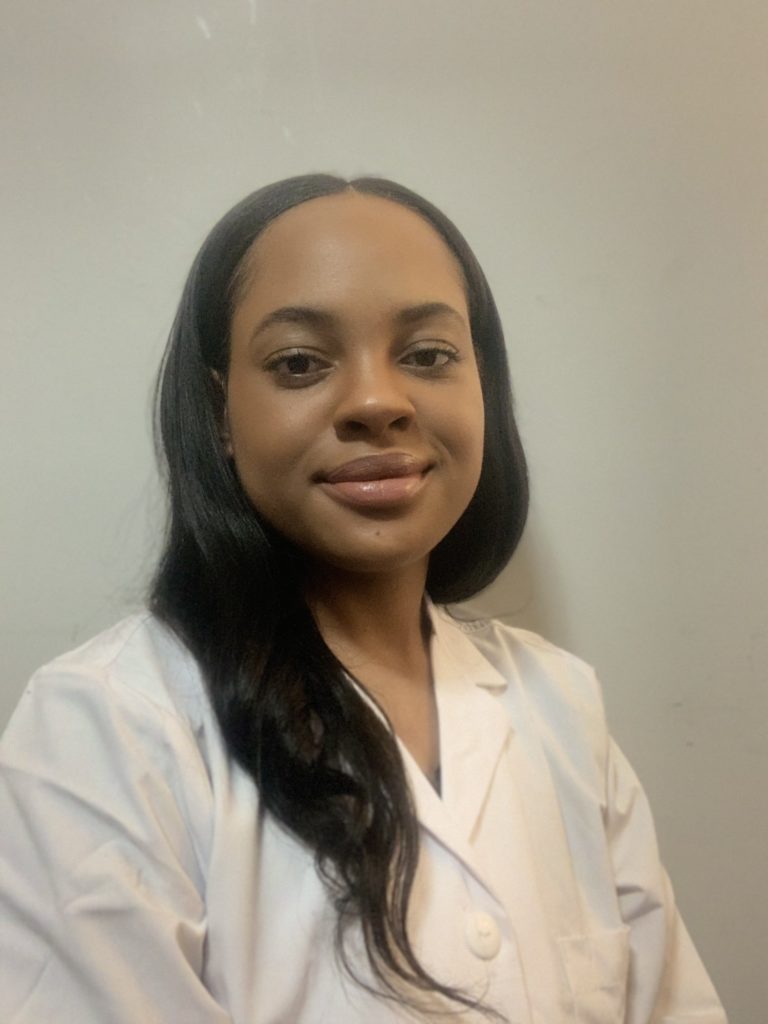
In “A Journey Toward Mindfulness,” Kelsey Robinson, SPT describes the steps she took to turn the effects of a crippling racist remark into a positive force for self-discovery. Rather than holding in her pain and self-doubt, she accepted an invitation to tell her story to young people. “In the process, I found my voice,” she notes. She encourages others to do the same. “Someone needs you,” she states. “The trials you face today will become your strength tomorrow as a clinician.”
The Gift of a Quieted Breath
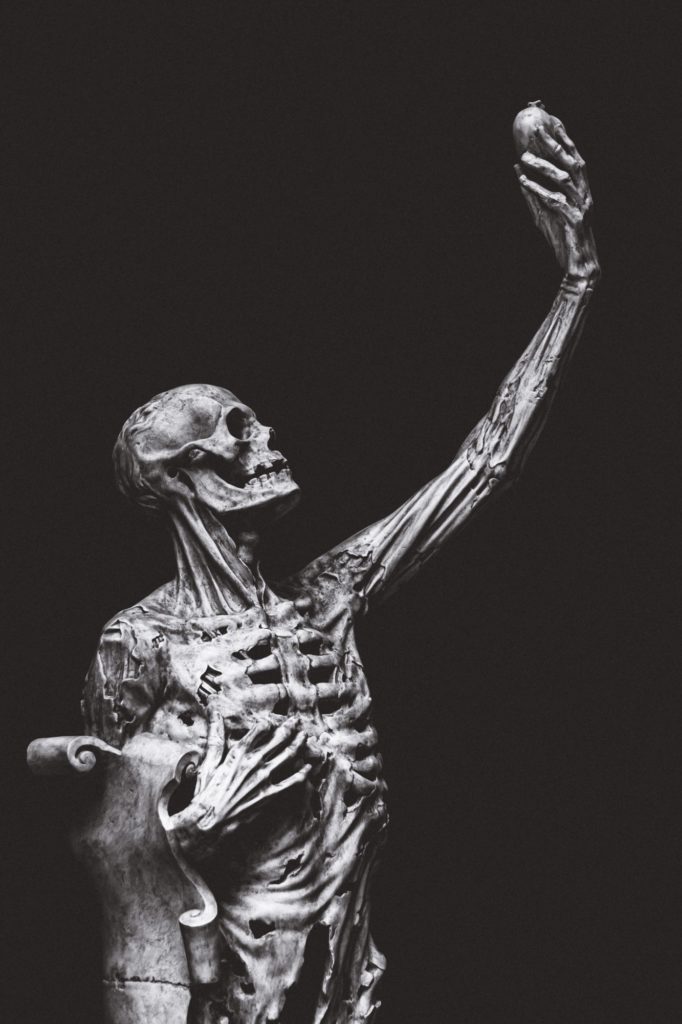
Hannah Vaca evokes an important learning moment in this moving and heartfelt poem, as she reflects on the gift a donor’s body provides and how a donor’s sacrifice impacts the lives of developing health professionals.
The Persisting Values of Humanism, Integrity, and Truth-Seeking
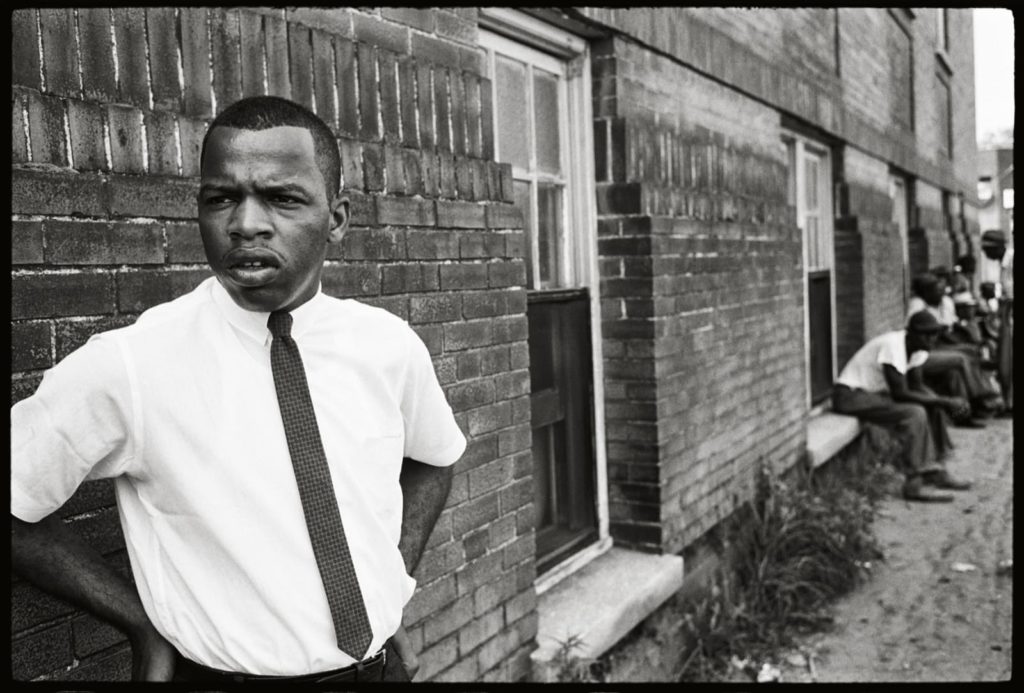
Presenting the Fall 2020 issue of JHR to readers, Editor-in-Chief Sarah Blanton looks deeply into the role of humanities in healing and inspiring a nation facing challenges both physical and societal. Remembering the last words of Representative John Lewis urging Americans to “stand up, speak up and speak out,” Blanton pledges the commitment of JHR to presenting narratives, both personal and collective, that encourage fundamental healing. She introduces with this issue a themed series dedicated to topics of social justice as well as the experiences of people caught in the COVID-19 pandemic. “We believe, in moments like these, that the next right step begins with seeing each other more clearly and using the humanities as a conduit for exploring the lived experience of others.”
Physical Therapy at Bath War Hospital: Rehabilitation and Its Links to WW1
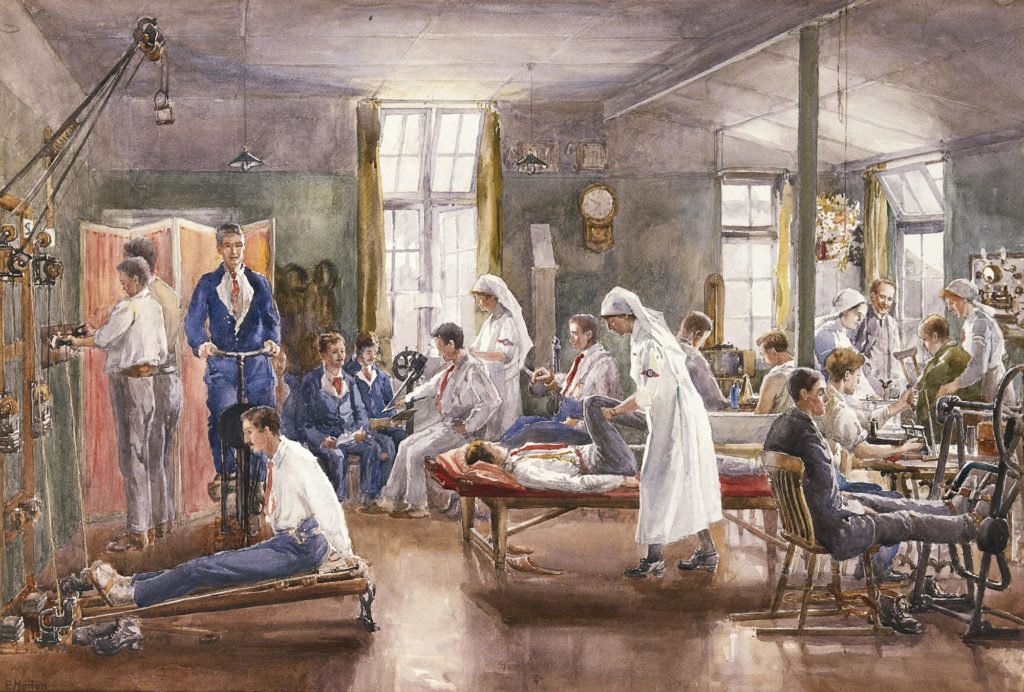
Heide Pöstges, MSc, PT explores the accelerated development of rehabilitation medicine during the First World War (WWI), through the artwork of British painter E. Horton. In the painting, “Physical Therapy at Bath War Hospital,” Horton depicts one of the very first physiotherapy departments in England. As Pöstges analyzes the painting in its historical context, we are given a new perspective into the socio-political-economic aspects of the evolution of physical therapy.
Editorial: Cultivating Vulnerability
doi: 10.18737/0607723457 AMA Citation: Blanton SR. Editorial: Cultivating Vulnerability. J Hum Rehabil. 2019; Spring. doi:10.18737/0607723457 Download the article (pdf) Table of Contents “I cannot find a single example of courage, moral courage, spiritual courage, leadership courage, relational courage…that was not born completely of vulnerability.” Brené Brown, OnBeing Project interview with Krista Tippett, February 8, […]
Using Critical Reflexivity to Enhance Clinical Care: A Clinician Perspective
In the Critical Research and Perspectives section, Jenny Setchell, PhD, BSc(PT) and Blythe Dalziel, MScPT illustrate the process of critical reflexivity to examine values and assumptions that underpin clinical practice.
Goodbye, With Love
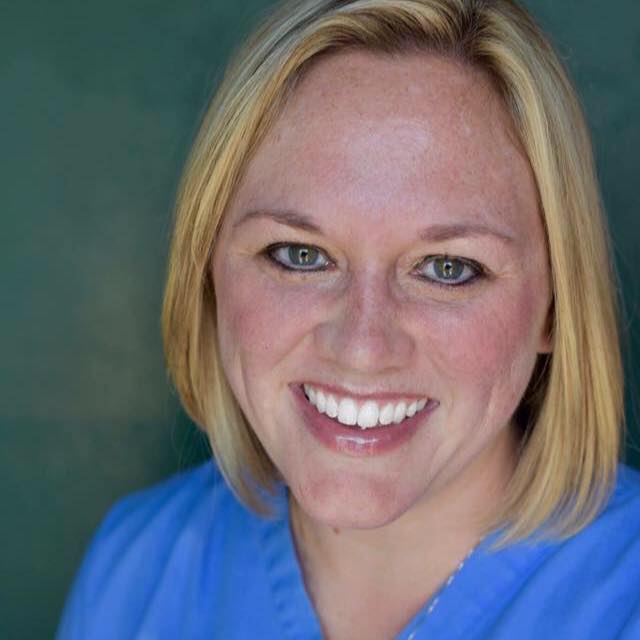
Amanda Sharp won this year’s CHEP-JHR Student Essay Contest with her essay “Goodbye, With Love,” which reflects on both her personal and her professional experiences with patients in hospice care.