

Skip to content
Facebook Instagram Linkedin
  • About
    • About the JHR
    • FAQ
    • Editorial Board & Staff
    • Graduate Student Ambassador Program
  • Browse
    • By Category
      • Critical Research and Perspectives
      • Editorials
      • Historical Perspectives in Art
      • Narrative Reflections
      • Patient and Caregiver Reflections
      • Performing Arts
      • Perspectives
      • Poetry
      • Profiles in Professionalism
      • Research
      • Resources
      • Reviews
      • Visual Arts
    • By Title
    • By Issue
  • Submit
    • Submission Guidelines
    • Physical Therapy Student Essay Contest
  • Support
    • Donate
    • Sponsorship
    • Frank S. Blanton, Jr., MD Scholarship Fund
  • Contact
  • About
    • About the JHR
    • FAQ
    • Editorial Board & Staff
    • Graduate Student Ambassador Program
  • Browse
    • By Category
      • Critical Research and Perspectives
      • Editorials
      • Historical Perspectives in Art
      • Narrative Reflections
      • Patient and Caregiver Reflections
      • Performing Arts
      • Perspectives
      • Poetry
      • Profiles in Professionalism
      • Research
      • Resources
      • Reviews
      • Visual Arts
    • By Title
    • By Issue
  • Submit
    • Submission Guidelines
    • Physical Therapy Student Essay Contest
  • Support
    • Donate
    • Sponsorship
    • Frank S. Blanton, Jr., MD Scholarship Fund
  • Contact
Donate to JHR

Author: Maya Pajevic

Maya Pajevic has been a patient partner for a decade, contributing to different aspects of the healthcare system. She believes that person-centred care starts in the heart, that engaging with different stakeholders, especially those with lived experience, does not only result in a more robust and resilient system, but also a safer one. Maya graduated from Mount Royal University in 2023 with a degree in Information Design and a minor in Social Innovation. Currently she is the communications lead for two CBI-Health-led programs, which look at meaningful employment opportunities for those that identify as having a disability in Alberta. When not working or advocating, Maya can be found on the hiking trail or ski hill, and she enjoys endless snuggles with her dog Dyna.

A Seat at the Table: A Reflection on Engaging Disabled People and Their Families in Research and Service Design
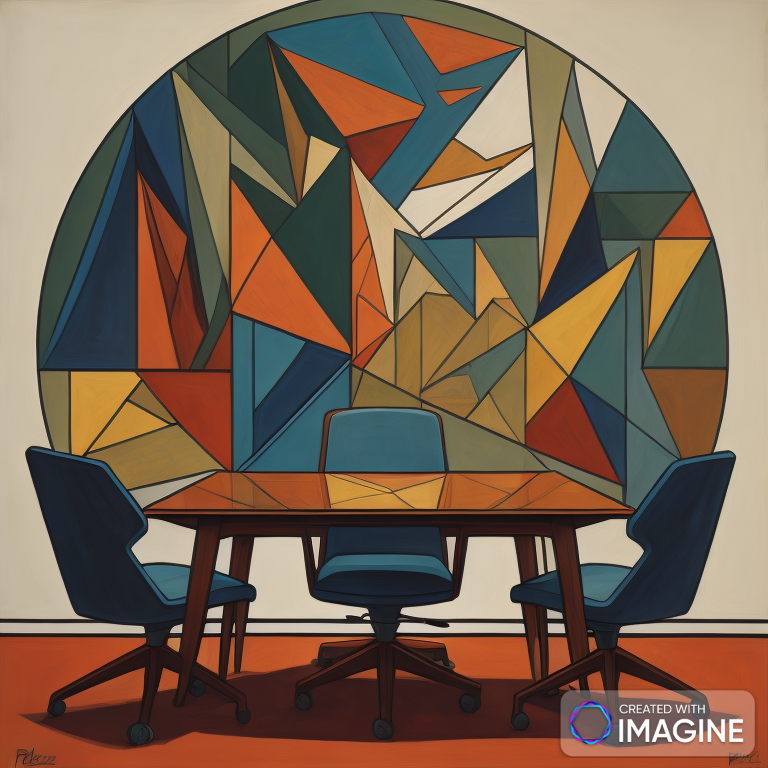
Dr. Phoenix and authors explore the metaphor “a seat at the table” in the context of including Disabled People and their families in system-level service design and research. They challenge us to consider inclusivity by interrogating this vision of “the table” in terms of ownership, participation, and consequences after a discussion ends.

Donate to the jhr
Facebook Instagram Linkedin

SITE ACCESSIBILITY

The Journal of Humanities in Rehabilitation is committed to providing a digitally accessible experience for all users, including individuals with disabilities, and continually works to ensure our website meets or exceeds the Web Content Accessibility Guidelines (WCAG) 2.1 Level AA standards to maintain an inclusive and user-friendly environment for everyone.

SUBSCRIBE

Subscribe

ABOUT THE JHR

The Journal for the Humanities in Rehabilitation is a peer reviewed, multi-media journal using a collaborative model with rehabilitation professionals, patients and their families to gain a greater understanding of the human experience of disability through art, literature and narrative. The purpose of this interdisciplinary journal is to raise the consciousness and deepen the intellect of the humanistic relationship in the rehabilitation sciences.

© 2025 Emory University. Authors retain copyright for their original articles. ISSN 2380-1069
Website designed by Dr. Bailey Betik at the Emory Center for Digital Scholarship.