


Listening Beyond Words: A Reflection on Identity, Care, and Connection
In this poignant account, the author relates a single statement made by a patient that changed her perception of disability, treatment, and “personal agency.” Both she and a student DPT learned a profound truth from this gentleman about the unspoken challenges faced by patients—ones that often go unheard. This powerful article argues for an “alternative approach” to treatment that “prioritizes dignity, agency, and belonging.”
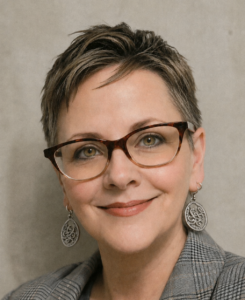
Counting What Matters
In a few words, this powerful poem depicts the experience of a spouse as her loved-one goes through a cancer diagnosis, treatment, and rehabilitation. This caregiver is also a physical therapist; her words show what living through this process feels like for “a spouse rather than a clinician.” The poet includes a prose reflection on rehabilitation as a “lived process.” Spending a few moments with these words may well deepen any reader’s understanding and empathy.

Resources: Fostering Resiliency and Authenticity
Our June Resources page highlights a variety of learning experiences for summer reading, listening, and contemplation. A reflection by the page’s author also depicts her recent visit to the American Visionary Art Museum in Baltimore, MD. Encountering these resources is a terrific way to welcome summer and expand our intellectual horizons. Enjoy.

Integrating Community-Based Learning in Speech-Language Pathology Education: A Quality Improvement Initiative
This sensitive study reports on the experiences of Speech-Language Pathology students in a community-based choral singing program for adults with neurogenic communication impairment. The students’ responses are telling; they note how this sharing, interactive experience increased their confidence, self-awareness, empathy, and much more. The article details how this project was developed and executed.
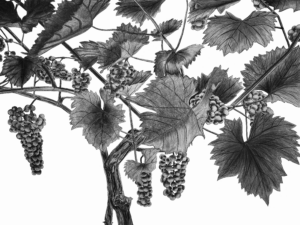
Are You Tending to Your Garden? Reflections On Accessibility and Disability in Physical Therapy Education
As summer begins, JHR’s June issue offers the metaphor of “tending to your garden”—and, through these authors’ words, applies it to the creation of accessible learning environments! This creative article provides images and reflections by artist and gardener Brandon Ness—and three of his faculty colleagues—on the “support and accessibility” needed to design a healthy growing environment, both in a garden and a university curriculum.

Communication, Empathy, and Emotional Intelligence in DPT Students: The Impact of a Distance-Learning Training Program During a Clinical Education Experience
In order to reach our goal of patient-centered care, we must cultivate affective skills such as empathy as vital components of the rehabilitation process. These authors implemented a distance-learning affective skills program into a university DPT curriculum and assessed its results. Their findings “emphasize the importance of integrating patient-centered skills” into clinical education experiences nationwide. They detail the program and their assessments here.

Reconciliation and Occupational Therapy in Canada: Experiences and Perspectives From Practitioners
This extensive article reports on the history of oppression of the Indigenous Peoples of Canada, and relates their struggle to the present day—specifically, to the field of occupational therapy. Through the personal Stories of the three authors, the abstract becomes real. They bring to life the experiences of The Métis People, the Sipekne’katik First Nation, Mi’kmaq Nation, the Inuit Peoples and others, told from their own perspective as occupational therapists. Their goal is to inspire others to work toward decolonization and reconciliation throughout Canada.
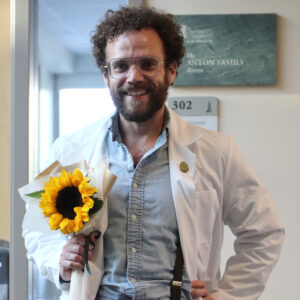
What I Miss When I’m Certain
In today’s health care system, clinicians are constantly rushed, spread thin, under pressure to meet productivity expectations. Where, in the midst of this turmoil, is there room for reflection? For the questioning and learning that nurtures evidence-based practice and optimal patient care? In his essay, Argel Brown details his own experience addressing these challenges, and recounts his personal solution to the dilemma: cultivating curiosity.

Safety For Me Is…
What is the actual art and science of feeling safe? This simple yet profound poem connects the outer with the inner, the outside world with the mitochondrial—rather like taking a deep breath of fresh, clean air. Is this the true effect of empathy? Of “eye contact” without shame? The poem gently nudges us to pause, reflect, and contemplate what—at a fundamental level—safety is for all of us.
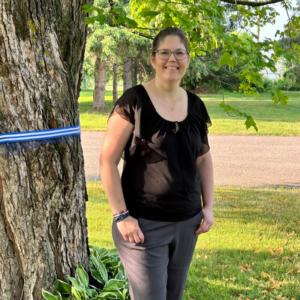
Poet in Profile: Kathryn Paulson
In this month’s Poet in Profile feature, Kathryn Paulson reflects on how poetry emerged as an unexpected but vital companion in her recovery from traumatic brain injury. Through vivid imagery and candid prose, Paulson traces how writing helped her process trauma, reclaim identity, and transform lived experience into connection and care for others navigating injury and healing.
Four-Year Study Demonstrates Literary Narratives Improve Empathic Awareness in Occupational Therapy Students
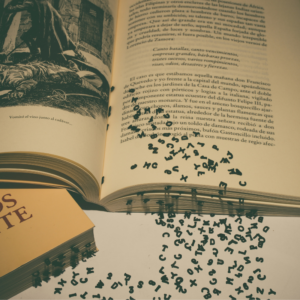
University programs are increasingly working to address the need for greater empathy in rehabilitation practices. These authors report the results of one OT program that incorporated readings, discussions, and interpretations of art to develop empathic skills in participating students. They note how the program could translate to other curricula: “The only significant change in course assignments was the replacing of medical case studies with literary narratives.”

Grief as a Fundamental Aspect of the Human Condition: Making Space For Loss in Disability and Rehabilitation
This deeply personal reflection presents a crucial message about the effect of grief on the rehabilitation process. The account begins with a moving description of the author’s own experience of grief. She reports that, seeking a way forward, she “devoured grief literature.” She presents her findings here—and suggests we honor each patient’s grief while also encouraging their acceptance of disability. “Grief and acceptance can coexist,” she concludes.
Unicorn in Motion
In her moving poem, “Unicorn in Motion”, Dr. Dawn Brown speaks to the challenges of being seen differently and provides insights into diversity and identity in physical therapy. She shows how rarity can become a source of strength rather than a source of isolation.

A Token Presence: Navigating Underrepresentation in Physical Therapy
As of 2022, Black male physical therapists comprised only 2% of the profession nationwide. This author, a DPT and accomplished educator, digs deep to find the reasons why. One main source in his research—and a crucial one going forward—is the personal voices of Black male students and practitioners. This poignant article details the daily challenges men of color deal with in the profession; the author offers his own recommendations to ensure change.
Sucking Love Out of a Straw (for Paul)
A mother is dying from a tumor in her womb. Her lips are chapped; she can barely eat or drink. The caregiver looks on helplessly, going through the motions of life support, of providing comfort. Then her child enters the room, and shows all who are there what really needs to be done—a simple act of love.