Category: Spring 2019

“Nanny’s on The Gear”: Chaos and Medicinal Cannabis in Advanced Cancer Illness Narratives

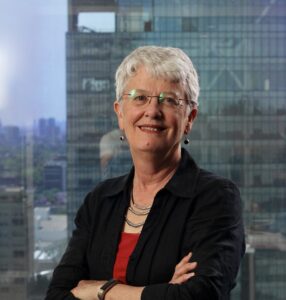
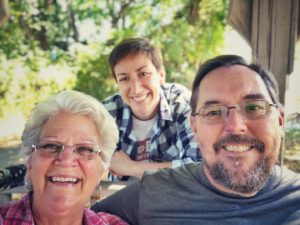
What do people diagnosed with a terminal illness talk about? How can their narratives influence care? This report explores the narratives of three women with advanced cancer who participated in a clinical trial of medical cannibis (MC). Within the women’s stories, quoted here, the authors found that MC—the drug, the idea, the trial— “is used as a tool to push against chaos, decenter illness, and support connection to different aspects of their lives.”

“Catch” and “Phantom”

“Catch” and “Phantom” explore the vulnerability, uncertainty, and emotional weight of rehabilitation through the eyes of a rehabilitation clinician witnessing two patients navigate profound bodily changes. Through vivid imagery and moments of physical and emotional connection, the poems illuminate the limits of clinical empathy and the difficulty of understanding pain that we cannot fully imagine. Together, they invite readers to reflect on the responsibilities of presence, the fragility of trust, and what it means to hold space for another person’s suffering.

Fixing Bodies, Missing Souls? Rethinking PT Education through the Humanities

As the current healthcare system sees ever-increasing crises in delivery of care, the voices calling for a more humanistic approach to treatment are growing nationwide. This article offers a perspective on our educational system, showing how true change toward more enlightened care needs to begin within our own curricula. The authors propose strategies for the addition of humanities into PT education—to form practitioners “who can skillfully balance both science and soul” in daily practice.

The Journey of a Physical Therapist with an Acquired Disability: Reflections and the Path Ahead

In October 1995, APTA celebrated its fourth Physical Therapy Month with the theme Physical Therapy: Hands-on Health Care. This article chronicles the journey of author Cathron Donaldson from that date, when she hesitated to share her experience as a physical therapist with a disabled hand, to the slightly more enlightened present. Her report concludes that “we must recognize that diversity in healthcare providers, especially disabled providers, directly benefits patient care.”

Hitting the Right Notes: Feasibility of Drumming to Assess Motor Outcomes Across the Lifespan

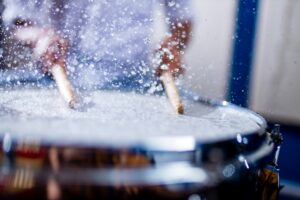
We are all naturally drawn to the positive effects of music and rhythm. These authors considered that music and drumming may also have important applications in patient assessment and treatment. They developed a quantitative observational content analysis that analyzed motor behaviors and vocalizations in individuals of different ages. Their study’s results provide insight into an approach that could be used to objectively track the value of drumming and vocalization in rehabilitation.

Measured

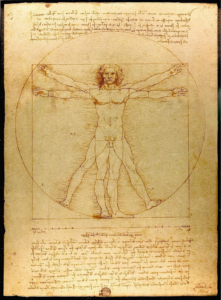
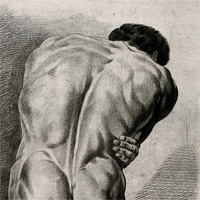
“Measured” examines how ideals of the ‘standard’ human body have shaped perceptions of difference across history. Drawing on the symbolism of the Vitruvian Man and the author’s lived experience with spinal cord injury, the poem explores the subtle ways that correction and normalization can be embedded within acts of kindness. It invites readers to consider forms of wholeness that exist beyond conventional measures of completeness.

Beyond the Algorithm: Where Curiosity Begins

Detailing her experience treating a chronic pain patient, this student author highlights a few statements from that patient that moved her beyond her academic training to a new level of curiosity and empathy. Simply treating pain symptoms was insufficient for this patient, Nguyen notes. “I wasn’t just treating a person’s spine, I was intersecting with an individual’s story.” The result? The patient summarizes it best: “I didn’t know PT could feel like therapy.”

In the Chair, At the Table

Sometimes, one student’s perspective can change an educator’s view of a long-held “rite of passage.” In this fascinating account, Dr. Eubanks describes receiving a student’s unique take on the 24-hour wheelchair experience. A common assignment in DPT departments nationwide, the students’ results often focus on accessibility issues. However, this student took a different route—and opened up a profound discussion on empathy.

A Critical Review of Health and Rehabilitation Literature Regarding People With Spinal Cord Injuries Who Are Both Caregivers and Care Receivers

Research on spinal cord injury focuses on patients as care receivers. But what about those people with SCI who are also required to be caregivers? These authors conducted a literature review of 13 peer-reviewed studies published between 1980 and 2021 to address that question and more. This article presents their results, and calls for more enlightened understanding, and inclusive research that reflects “the lived realities of caregivers with SCI.”

The Discipline of Curiosity

This thoughtful student essay digs deep into the concept of curiosity, identifying its many possible phases and iterations as a clinician and patient progress through physical therapy. The author describes a specific experience with a patient who stated she just wanted “someone to believe me.” Miles-Williams details the phases of curiosity she passed through to help this patient feel heard. She concludes that curiosity is a form of resistance to assumptions that may inhibit care.

Complexities in Consent: Seeking Permission in Physical Therapy Practice

In light of the revised APTA Code of Ethics’ explicit statement that physical therapists need to obtain ongoing informed consent from patients or clients, this article explores what that standard can mean for clinicians on a daily basis. What is informed consent? Is there a spectrum of consent that can apply to treatment? What are today’s best practices in consent? The author addresses these concepts and details how we might best apply them in the clinic.

Listening Beyond Words: A Reflection on Identity, Care, and Connection

In this poignant account, the author relates a single statement made by a patient that changed her perception of disability, treatment, and “personal agency.” Both she and a student DPT learned a profound truth from this gentleman about the unspoken challenges faced by patients—ones that often go unheard. This powerful article argues for an “alternative approach” to treatment that “prioritizes dignity, agency, and belonging.”

How Individuals with Disabilities Experience Therapeutic Alliance in Physical Therapy: A Qualitative Analysis

Do patients receiving rehabilitation benefit from being treated by a physical therapist who also has a disability? This study addressed that core question. Participants included PTs with or without disabilities and their patients. Results showed that a shared identity of disability “positively impacted therapeutic alliance.” The article details the research process, and offers suggestions for its application in the clinic and the university.

Counting What Matters

In a few words, this powerful poem depicts the experience of a spouse as her loved-one goes through a cancer diagnosis, treatment, and rehabilitation. This caregiver is also a physical therapist; her words show what living through this process feels like for “a spouse rather than a clinician.” The poet includes a prose reflection on rehabilitation as a “lived process.” Spending a few moments with these words may well deepen any reader’s understanding and empathy.

Resources: Fostering Resiliency and Authenticity

Our June Resources page highlights a variety of learning experiences for summer reading, listening, and contemplation. A reflection by the page’s author also depicts her recent visit to the American Visionary Art Museum in Baltimore, MD. Encountering these resources is a terrific way to welcome summer and expand our intellectual horizons. Enjoy.

Integrating Community-Based Learning in Speech-Language Pathology Education: A Quality Improvement Initiative

This sensitive study reports on the experiences of Speech-Language Pathology students in a community-based choral singing program for adults with neurogenic communication impairment. The students’ responses are telling; they note how this sharing, interactive experience increased their confidence, self-awareness, empathy, and much more. The article details how this project was developed and executed.

Are You Tending to Your Garden? Reflections On Accessibility and Disability in Physical Therapy Education

As summer begins, JHR’s June issue offers the metaphor of “tending to your garden”—and, through these authors’ words, applies it to the creation of accessible learning environments! This creative article provides images and reflections by artist and gardener Brandon Ness—and three of his faculty colleagues—on the “support and accessibility” needed to design a healthy growing environment, both in a garden and a university curriculum.

Communication, Empathy, and Emotional Intelligence in DPT Students: The Impact of a Distance-Learning Training Program During a Clinical Education Experience

In order to reach our goal of patient-centered care, we must cultivate affective skills such as empathy as vital components of the rehabilitation process. These authors implemented a distance-learning affective skills program into a university DPT curriculum and assessed its results. Their findings “emphasize the importance of integrating patient-centered skills” into clinical education experiences nationwide. They detail the program and their assessments here.

Reconciliation and Occupational Therapy in Canada: Experiences and Perspectives From Practitioners

This extensive article reports on the history of oppression of the Indigenous Peoples of Canada, and relates their struggle to the present day—specifically, to the field of occupational therapy. Through the personal Stories of the three authors, the abstract becomes real. They bring to life the experiences of The Métis People, the Sipekne’katik First Nation, Mi’kmaq Nation, the Inuit Peoples and others, told from their own perspective as occupational therapists. Their goal is to inspire others to work toward decolonization and reconciliation throughout Canada.

What I Miss When I’m Certain

In today’s health care system, clinicians are constantly rushed, spread thin, under pressure to meet productivity expectations. Where, in the midst of this turmoil, is there room for reflection? For the questioning and learning that nurtures evidence-based practice and optimal patient care? In his essay, Argel Brown details his own experience addressing these challenges, and recounts his personal solution to the dilemma: cultivating curiosity.

Safety For Me Is…

What is the actual art and science of feeling safe? This simple yet profound poem connects the outer with the inner, the outside world with the mitochondrial—rather like taking a deep breath of fresh, clean air. Is this the true effect of empathy? Of “eye contact” without shame? The poem gently nudges us to pause, reflect, and contemplate what—at a fundamental level—safety is for all of us.

Poet in Profile: Kathryn Paulson

In this month’s Poet in Profile feature, Kathryn Paulson reflects on how poetry emerged as an unexpected but vital companion in her recovery from traumatic brain injury. Through vivid imagery and candid prose, Paulson traces how writing helped her process trauma, reclaim identity, and transform lived experience into connection and care for others navigating injury and healing.

Four-Year Study Demonstrates Literary Narratives Improve Empathic Awareness in Occupational Therapy Students

University programs are increasingly working to address the need for greater empathy in rehabilitation practices. These authors report the results of one OT program that incorporated readings, discussions, and interpretations of art to develop empathic skills in participating students. They note how the program could translate to other curricula: “The only significant change in course assignments was the replacing of medical case studies with literary narratives.”

Janna’s Story

This extensive article reports on the history of oppression of the Indigenous Peoples of Canada, and relates their struggle to the present day—specifically, to the field of occupational therapy. Through the personal Stories of the three authors, the abstract becomes real. They bring to life the experiences of The Métis People, the Sipekne’katik First Nation, Mi’kmaq Nation, the Inuit Peoples and others, told from their own perspective as occupational therapists. Their goal is to inspire others to work toward “decolonization and reconciliation” throughout Canada.

Tara’s Story

This extensive article reports on the history of oppression of the Indigenous Peoples of Canada, and relates their struggle to the present day—specifically, to the field of occupational therapy. Through the personal Stories of the three authors, the abstract becomes real. They bring to life the experiences of The Métis People, the Sipekne’katik First Nation, Mi’kmaq Nation, the Inuit Peoples and others, told from their own perspective as occupational therapists. Their goal is to inspire others to work toward “decolonization and reconciliation” throughout Canada.

Justin’s Story

This extensive article reports on the history of oppression of the Indigenous Peoples of Canada, and relates their struggle to the present day—specifically, to the field of occupational therapy. Through the personal Stories of the three authors, the abstract becomes real. They bring to life the experiences of The Métis People, the Sipekne’katik First Nation, Mi’kmaq Nation, the Inuit Peoples and others, told from their own perspective as occupational therapists. Their goal is to inspire others to work toward “decolonization and reconciliation” throughout Canada.

Grief as a Fundamental Aspect of the Human Condition: Making Space For Loss in Disability and Rehabilitation

This deeply personal reflection presents a crucial message about the effect of grief on the rehabilitation process. The account begins with a moving description of the author’s own experience of grief. She reports that, seeking a way forward, she “devoured grief literature.” She presents her findings here—and suggests we honor each patient’s grief while also encouraging their acceptance of disability. “Grief and acceptance can coexist,” she concludes.

Unicorn in Motion

In her moving poem, “Unicorn in Motion”, Dr. Dawn Brown speaks to the challenges of being seen differently and provides insights into diversity and identity in physical therapy. She shows how rarity can become a source of strength rather than a source of isolation.

A Token Presence: Navigating Underrepresentation in Physical Therapy

As of 2022, Black male physical therapists comprised only 2% of the profession nationwide. This author, a DPT and accomplished educator, digs deep to find the reasons why. One main source in his research—and a crucial one going forward—is the personal voices of Black male students and practitioners. This poignant article details the daily challenges men of color deal with in the profession; the author offers his own recommendations to ensure change.

Sucking Love Out of a Straw (for Paul)

A mother is dying from a tumor in her womb. Her lips are chapped; she can barely eat or drink. The caregiver looks on helplessly, going through the motions of life support, of providing comfort. Then her child enters the room, and shows all who are there what really needs to be done—a simple act of love.

The Death of Her

Clinicians are trained to help: to put the patient first, to promote healing. But does anyone ever consider how that professional might be feeling? This brave account details the inner agonies of a physical therapist battling an internal “Her”—one that tormented her, and few around her even knew existed. Through this poem, she thanks those precious few who understood—and helped her “scars become superpowers.”

Beyond the Protocol: Reflecting on Embedding Lived Experience Knowledge onto the Research Team using the Seven-Step Framework for Critical Analysis in Physical Therapy

How often do researchers of evidence-based treatments assess their own internal team choices and how they affect the individuals they seek to help? This author says not nearly enough. She offers a solution: she details how a team researching SCI treatments included the lived-experience perspectives of invited participants in the process. The team applied a Critical Analysis framework to their self-assessment. Their results make a powerful case for including lived experience in medical research.

Rock n’ Roll Canine

This author was diagnosed with bipolar I disorder when young. His poignant account here describes two major breakthroughs in his life that changed it forever. The first was the gift of an electric guitar. The second was meeting Stella—the companion who offered him unconditional love, and shared communication through his music. His heartfelt account demonstrates how you can find a way forward when you “believe in yourself the way those who love you the most see you.” He offers a touching musical tribute, called Grief, to mark Stella’s passing.

Anatomy of an Alarm

This poem encapsulates, in real time, the experience of a 3:00am panic attack, brought on by out-of-balance cortisol levels, and who-knows-what-other complicated factors. In this age of ‘fight-or-flight’ reactions that often don’t fit any apparent cause, the poet’s words bring home the struggles faced by many who just want to be able to relax.

Kindness as Transformation: A Metacognitive Moment With A Humanities Educator

Dr. Carey L Holleran sees kindness as the “underlying ethos” that physical therapy curricula strive to cultivate in students. In this report, she describes a moment when she rendered this concept a profound reality with a group of students. She wrote a personal letter to them, sharing her deepest faith-based reflections on treatment, and read it aloud in class. She presents that letter here. “Lean in with unexpected kindness every chance you get,” it reads. “When we deliver unexpected or even what we might think is undeserved kindness, we are agents of our own change for the better.”

A Mere Reflection: When the Curtain Closes

Sophie Kooy trained as a ballerina when young, only to have her dreams shattered in an auto accident. This heartfelt reflection details her despair, what kept her alive when she felt no longer able to live, and how she eventually found healing. She also found a new passion—one that her vigorous training as a dancer, she now realizes, prepared her to take on. She is currently sharing her gifts with the world in a new direction that readers will applaud.

Exploration of the Use of Balint Groups in Physical Therapy Education

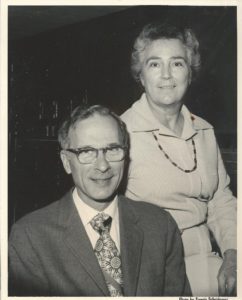
Many of the articles in the Fall issue of JHR speak of the need for increased empathy in rehabilitative care. Although the concept may feel groundbreaking, it is not new. Michael and Enid Balint created Balint groups in the 1950s, where physicians met regularly to discuss their cases with a focus on humanism. This article reports on the implementation of a Balint group experience in a current DPT curriculum. Direct quotes from the students detail the benefits of the experience for themselves—and their future patients.

Miraculous Medicine

Dr. Morgan Kelly recounts just one of her countless profound experiences with patients in the ICU. Her words encourage us to consider life and death; should all those who are clinically dead be brought back to life through technology? This patient didn’t want it, preferring to be back with “my God.” This poem prompts the reader to consider that two truths can exist concurrently: miraculous medicine to save lives and faith in a peace beyond death.

Stroked Poet: Thirteen is a Lucky Number

Barbara Huntington offers readers a fascinating chance to experience the workings of a poet’s brain post-stroke. These 13 poems, written as the days play out, move from confusion to blinding clarity and back again. Throughout it all, the poet is sharply aware, watching it all, commenting on it for the world to witness. At one point, he offers a brilliant commentary in ¾ time! This is an experience well worth sharing.

The Descent

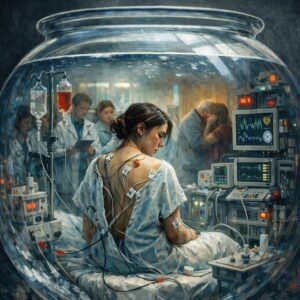
This brief, powerful poem captures the agonizing experience of a frightened hospital patient—anonymous yet on display to strangers, alone in their “silent cries.” Beautifully composed, this masterful piece hits home in a few, raw seconds.

Lab Rats and Book Bodies: Creating Intersubjectivity for Patients and Practitioners

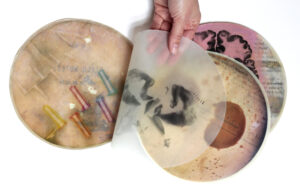
This moving artist’s report seeks to equate the experiences of lab rats with those of patients within our healthcare system. Are both simply objects of observation, of intervention? Or are they living beings with a shared power and beauty that can be witnessed at the microscopic level? The author translates her insights from the laboratory into an immediate experience for readers with homemade books whose images raise the minute to the universal.

To Be, to Inflect, to Feel

This insightful report encapsulates the value of adding a humanistic dimension to rehabilitation. As told through the eyes of a student physical therapist assessing her patient’s progress—and determining that adding empathy to the treatment process was crucial to achieving a positive result—delineates how the realization can occur in all clinicians. It is a direct, on-the-ground view of the importance of JHR’s mission.

Physical Therapy is More than Just Physical

This insightful report encapsulates the value of adding a humanistic dimension to rehabilitation. As told through the eyes of a student physical therapist assessing her patient’s progress—and determining that adding empathy to the treatment process was crucial to achieving a positive result—delineates how the realization can occur in all clinicians. It is a direct, on-the-ground view of the importance of JHR’s mission.

Beyond Pathology: (Re)conceptualizing Distress in Chronic Pain Care

The “vignette case study” first presented here is based on a compilation of the author’s experiences treating patients with chronic pain. Crucial questions are then addressed. How big a part does stress play? What effect does culture have? The author dives deep into the multiple dimensions of the individual experience of pain. The article details why bringing humanities into rehabilitation is of crucial importance for people dealing with chronic pain.

Block and Fall

The COVID pandemic highlighted a reality that certain healthcare workers have always faced: as they care for others, they also put themselves at risk. How do you handle knowing you could be harmed by the very profession your heart has called you to join? In this powerful short poem, Katy Giebenhain encapsulates the mad courage it can sometimes take to simply go to work at a medical facility: “It’s the job.”

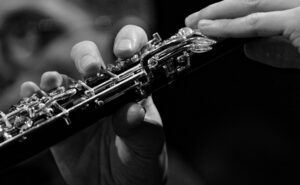
The Crying Oboe and Steady Strings

In this gentle yet heart-rending poem, Dr. Sue Curfman follows the notes of Dvorak’s 9th symphony (‘New World’), 2nd movement, as she pictures her patients in pain, “with whom I am privileged to walk.” As the different instruments rise and fade, she likens them to the struggle toward healing that rehabilitation teams – patient and therapist – experience together. The 2nd movement is available online; you can listen to its opening strains as you experience these words unfolding.

Political Advocacy in Occupational Therapy: A Professional Imperative

This study conducted interviews with occupational therapists to report on their perceptions of political advocacy. The interviews identified three key ways that advocacy fundamentally benefits OT: It helps practitioners fight for clients’ access to quality care; it advances the profession itself; and it can continually influence policy changes. But how can OTs find the time, and the space, to advocate? Quotes from interviewees bring the abstract down to the clinic level.

Can You Hear Me, Now?

In this inspirational piece, the author details how one crucial act, performed when she was a child by an occupational therapist, formed her entire life path. It was the simple act of teaching her how to hold a pencil in her hand to write. Fast forward to today, and Katherine Magnoli is a writer, a teacher, and an author of children’s books designed to help them choose their own unique career paths.

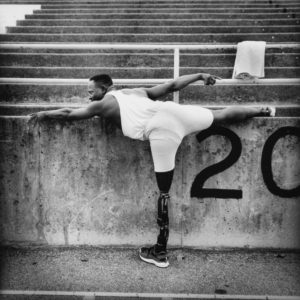
We Are All Missing Something: A Meditation on Amputation, Constraints, and Creativity

This brilliant Perspective raises a profound question: what if ‘disability’ is simply one point on a spectrum of constraints that inspire creativity in every person on earth? The author states, “…I struggle to know at what point I qualified in the minds of others as ‘disabled.’” He presents a powerful argument for focusing on what humans can do, and not on what may constrain us at any given point in our lives. A poetic must-read.

Thinking Through Making

As this author poured through the data from a study of 30 stroke survivors, she found she “couldn’t move past the emotion present in the text.” The study sought to understand factors affecting success in an OT program. But the words of the interviewees went far deeper. To attempt to fully understand their realities, she turned to her own creative core—quilting—and translated black-and-white data points into the living colors of individual emotions.

The Advancing Accessibility and Disability Equity Summit: An Introduction and Reflection on Key Take-Aways

In her introduction to this special issue, Amanda Sharp, PT, DPT, PhD, presents a detailed report of how the Advancing Accessibility and Disability Equity Summit was envisioned and then brought to fruition. Sharp presents a day-by-day account of the Summit’s presentations, panel discussions, roundtables, and more. Her detailed recounting of the event offers a blueprint for other educators and practitioners seeking to develop their own forums on disability and inclusion. “All are invited to reconsider disability within and external to physical therapy,” she states.

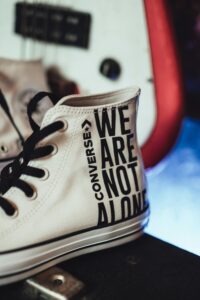
We Are No Longer Alone: Student Panelist Reflections on the Advancing Accessibility and Disability Equity Summit

In a vibrant panel discussion on Day One of the Summit, five DPT students with disabilities presented their lived experiences in telling, poignant detail. Attendees later agreed this panel was the “pinnacle of the day.” In this article, the students note the effect their participation had on their own hearts and minds as well; their words show a renewed sense of hope and purpose. “This was a real meeting of the minds to solve the issues blocking the accessibility of our profession,” one author says. “I quickly began taking notes on these topics to take back to my program.”

Special Issue Editorial: An Invitation to Reorient and Re-imagine

In her editorial, Sarah Caston, PT, DPT, lays the groundwork for this special JHR issue and the importance of disability inclusion and equitable access within the rehabilitation profession. She argues that inclusiveness and justice are not inherent to caring professions and that clinicians and educators should seek spaces that encourage curiosity and vulnerability. She provides readers with action steps to “inspire[s] the moral courage needed to continue the vital and necessary work of caring for each other.”

Forging a New Future

While exploring the ongoing effects of disability on students, clinicians, and patients alike was a key aspect of the Summit, another crucial takeaway for attendees was a reference list offering guidance on moving forward. How do we improve our efforts to create equity of access, inclusion, and anti-ableism? In this introduction, Deana Herrman, PT, PhD, honors the groundbreaking work of disability rights activist Judy Heumann, and notes a good place to begin is with her book, Being Heumann. Along with co-authors, Sarah Caston PT, DPT and Priyanka Bhakta PT, DPT, she has created a list that offers a variety of self-education materials. “It is never too late to start, and it is always okay to keep learning, recognize when we don’t know enough, and strive to do better—for the future,” Herrman concludes.


Accessibility Accommodations on the National Physical Therapy Examination: An Exploratory-Descriptive Qualitative Study

This study reports on the negative impact on some NPTE candidates of seeking accessibility accommodations. The results show that requesting accommodations for testing puts an additional burden on these students, which can affect their academic, and even their professional, lives. The authors call for “improved ease of access to information,” and “a more streamlined approach nationwide” to the exam process for persons with disabilities.

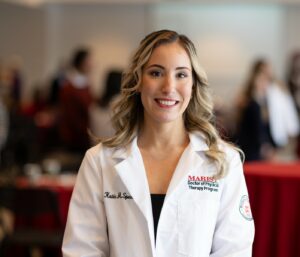
The Young Doctor: One Day, Inshallah

In her winning essay, “The Young Doctor: One Day Inshallah,” Katie Spencer recounts her transformative experience providing medical care in a Syrian refugee village during her time as a US Army medic. Central to her essay is an encounter with a young girl who dreamed of becoming a doctor, despite her school being destroyed by insurgents. Spencer invited her to follow along as she treated patients. Learning to innovate patient care with limited resources, Spencer prioritized listening to patients’ stories and recognized that “language barriers and cultural differences mean little when a bridge of universal compassion is built.” Her essay emphasizes that healthcare extends beyond visible symptoms, requiring providers to understand patients’ personal narratives and cultural contexts.

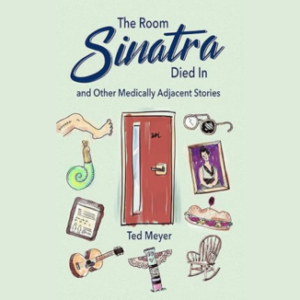
Learning From Experiences of Chronic Illness: A Book Review of The Room Sinatra Died In and Other Medically Adjacent Stories

In this book review, author Ted Meyers reflects on his own writing process and how it has impacted his perspective on his life and chronic illness. “Writing is my way of preserving … moments,” he notes. In her commentary that follows, Priyanka Bhakta highlights the role of the caregiver in family-centered care as presented in Meyers’ book: “The stories convey the unavoidable impact of health on one’s relationships…” Teaching Tools at the end of the article suggest two of Meyers’ stories for healthcare students, with Discussion Points.

Advocating for Palliative Care Is Our Role: A Physical Therapist Perspective

This insightful and moving article argues for wider use of palliative care in end-of-life situations. Written from her personal experience with terminal patients, the author notes how, ironically, a focus on positivity can deny the much-needed comfort that palliative care provides. Contrasting a rural southern hospital and a top urban neurorehabilitation facility, she notes how her patients received more end-of-life comfort in the former. She calls for physical therapists to “advocate for better integration of palliative care principles into PT practice.”

Utilizing Drama to Teach Intervention Strategies for Patients With Alzheimer’s Disease: The Intersection of Humanities and Clinical Science

Clinical simulations are often used in entry-level healthcare education. However, according to the authors, these simulations lack the depth of understanding that drama can provide to students. This research report details how a two-act play written by the authors and presented here, employing professional actors, increased student understanding of effective interactions with Alzheimer’s patients.

Building Community Through Storytelling: A Case Report

These authors report on their most recent ‘StorySlam’ – an event hosted by USC’s Division of Biokinesiology and Physical Therapy – where Division members described their personal encounters with diversity, equity, and inclusion. The storytellers (including faculty, students, and patients) spoke for just 5 minutes each. But the attendees – many quoted here – noted the impact of those stories, and their enhanced sense of connection with their fellow Division members.

Art, Well-being and Medicine at the Barnes Foundation

A key mission of the Barnes Foundation is the promotion of education through art appreciation. Its Art, Well-Being and Medicine program was created in 2017. Practitioners and patients alike experience the Barnes’ vast collection through seven guided exercises; the results can be profound. This article takes the reader into an encounter with art at the Barnes, and shows how the questions raised among colleagues can impact clinical perspectives.

Female CHF 89

This gentle poem honors a lovely lady—“a hundred birthdays…give or take”—who gave her body to science. As the clinicians dissect, observe, and study, the poet juxtaposes the harsh procedures with softer observations. This lady was loved and cared for. The poem pays homage to a life well-lived, and to a final decision to help others learn.

Running Before I Could Walk

Physical therapists who fulfill a clinical rotation abroad often quickly gain new cultural and medical insights. The experience can be particularly intense for students. In this soul-searching account, SPT Mitchel Fenrich describes his day-by-day enlightenments while seeking to help a child with cerebral palsy in Tanzania. He notes the new perspectives he gained on clinical assessments, treatments, cultural mores—and on himself as a practitioner.

Anxiety

In a poignant cry of honesty, [poet] takes the reader on a journey inside a mind experiencing crippling anxiety. The poem moves from a vivid portrayal of daily fear toward a gradual englightenment about the nature of the condition, and finally, to a warrior-like acceptance of what anxiety is—and most importantly, what it is not.

Mirroring Each Other: Beyond AI’s Capability

doi: 10.18737/0607247888 AMA Citation: Miller C. Mirroring Each Other: beyond AI’s capability. J Hum Rehabil. 2024; Fall. doi:10.18737/0607247888 Download the article (pdf) Table of Contents

Playful Practices: Reflections on Teaching About Narrative Roleplaying Games in Care Contexts

This insightful article describes the creation of a roleplaying workshop for residents of a Children’s Hospital for Mental Health in Buenos Aires, Argentina. The authors demonstrate how “the use of narrative roleplaying games in diverse contexts of care and rehabilitation” can foster ways for children to relate with each other “by sharing the pleasure of playing.”

A Healthy Neck Should Disappear: a Phenomenological Anatomy of ‘Body-With-Neck-in-the-World’ to Inform Clinical Research and Practice

What is the actual role of the neck in a person’s overall well being? How might a deeper understanding of the “neck-in-the-world” contribute to treatment of neck pain? This fascinating article offers a unique perspective on the neck “as a part of the body gestalt,” and explores how understanding its true role may lead to innovations in pain management.

The Power of Touch: Trust

Seeking to illustrate the nuances of physical touch in PT practice, Brandon Ness, DPT program faculty member and artist, created an image to inspire discussion among his students about trust and healing. His account of that process—creating and refining the image, going through a Visible Thinking exercise with his students—shows how art can inspire fresh critical thinking.

At Capacity: How Physical Therapists Will Gain More by Doing Less

At Capacity: How Physical Therapists Will Gain More by Doing Less by Hannah Sy, PT, DPT, JHR’s award-winning 2024 student essay, examines how the increased use of AI in the physical therapy clinic may actually improve humanistic patient care. According to Sy, “the advantage of AI…is its ability to solve complex problems with its capacity to process copious amounts of data.” As physical therapists are assisted in data-based problem-solving and treatment planning by AI, she notes, their time may better be applied to connecting with the human beings they seek to rehabilitate.

From Individuals With Aphasia and Brain Injuries to Poets: How the Book I Don’t Think I Did This Right Came to Be

From Individuals With Aphasia and Brain Injuries to Poets: How the Book I Don’t Think I Did This Right Came to Be by Kathryn Paulson, Brendan Constantine, and Jerry K. Hoepner, relates how a group of dynamic poets developed out of a few workshops for individuals with stroke-based aphasia and traumatic brain injuries. Starting out as an idea to spur creativity and help participants share their stories, the meetings quickly developed into the Thursday Night Poets group. Their first published work, described here, offers poetry of deep meaning and resonance for anyone who has ever faced a challenge.

Sonnet of Hope

In this lovely poem, the author pays tribute to the love that restores the soul when an ordeal afflicts the body. He reflects on the healing presence of caring friends and family throughout the process of mending both the injured body and the deflated spirit.

Racetrack

This beautiful and deeply moving poem focuses on a tiny object in a clinical setting. One day, this toy represents incredible joy and possibility, but the next day it evokes sudden loss and tragedy. The poem ends on a somber note, reflecting on the continuous strength of those who care for patients in hospitals.

Can Swearing Be Professional and Patient-Centered?

Exploring the Role of Swearing in the Physical Therapy Clinical Setting by Nicholas B. Washmuth and Adam Meakins, et al, shines a light on a somewhat taboo subject. Is swearing ever appropriate in the physical therapy clinic? Might it actually help give a patient added strength and endurance during a difficult regimen? And what if the physical therapist curses to indicate empathy toward a patient’s challenges? The authors present evidence that some swearing may indeed produce ‘hypoalgesic’ effects in patients, such as increased pain tolerance and compliance.

Through the Lens of Positive Aging

Through the Lens of Positive Aging by David Taylor and Leslie Taylor, et al, offers a fresh approach to the delivery of healthcare for an aging population in the United States – and globally. The ‘humanities interprofessional education activity’ described here is based on the
‘4Ms’ deemed critical for care of the elderly: What Matters; Medication, Mind, and Mobility.

Considerations for Addressing Cisgenderism and Heterosexism in Canadian Outpatient Physiotherapy Clinics

This thought-provoking article by Elizabeth Houdling-Braunberger and Colleen Greasley, et al, presents the results of interviews with individual patients and practitioners regarding Queer and
Trans health issues in physiotherapy clinics throughout Canada. The authors offer guidelines for change at three levels: the micro (individual clinics); meso (physiotherapist training and practice); and macro (community activism), to address specific inequities and improve overall
healthcare for patients adversely affected by cisgenderism and heterosexism.

Discover Your Potential

doi: 10.18737/0607004631 AMA Citation: Castro L. Discover Your Potential. J Hum Rehabil. 2024; Spring. doi:10.18737/0607004631 Download the article (pdf) Table of Contents Hispanic, overweight,lonely, and

A Seat at the Table: A Reflection on Engaging Disabled People and Their Families in Research and Service Design

Dr. Phoenix and authors explore the metaphor “a seat at the table” in the context of including Disabled People and their families in system-level service design and research. They challenge us to consider inclusivity by interrogating this vision of “the table” in terms of ownership, participation, and consequences after a discussion ends.

Steps Toward Inclusion for Those Without Words

doi: 10.18737/0607003267 AMA Citation: Lista V. Steps Toward Inclusion for Those Without Words. J Hum Rehabil. 2023; Fall. doi:10.18737/0607003267 Download the article (pdf) Table of

What is JHR?

Editor-In-Chief, Dr. Sarah Blanton, reflects on how JHR came to be while detailing the mission and vision of JHR as well as ways to support.

CHEP-JHR Student Essay Contest 2023-2024

Download the article (pdf) Table of Contents The Consortium for Humanities, Ethics and Professionalism (CHEP) of the American Council of Academic Physical Therapy (ACAPT) advocates

Resonance

doi: 10.18737/0607472116 AMA Citation: Kaufman R. Resonance. J Hum Rehabil. 2023; Fall. doi:10.18737/0607472116 Download the article (pdf) Table of Contents The news came via text

Old Woman in a Hospital Bed

doi: 10.18737/0607732118 AMA Citation: Carp S. Old Woman in a Hospital Bed. J Hum Rehabil. 2023; Fall. doi:10.18737/0607732118 Download the article (pdf) Table of Contents

Sumpter

doi: 10.18737/0607410981 AMA Citation: Sanchez M. Sumpter. J Hum Rehabil. 2023; Fall. doi:10.18737/0607410981 Download the article (pdf) Table of Contents I packed up and headed

A Miracle of Modern Medicine and Mobility

doi: 10.18737/0607522651 AMA Citation: Whitlock K. A Miracle of Modern Medicine and Mobility. J Hum Rehabil. 2023; Fall. doi:10.18737/0607522651 Download the article (pdf) Table of

Living the Hard Times Out Loud

This beautiful poem by “a mother on a mission to help families and caregivers navigate life with differently-abled kids” presents the powerful story of Noah Williams. Noah lives an extraordinary life as an artist, athlete, and public speaker, as he deals daily with cerebral palsy, epilepsy, and visual impairment. As Naomi’s words flow through the poem, they detail his lifelong struggle, and the love of people who join in his joy of living and help him navigate his days. “The best that is in him keeps unfolding into the spaces so many help open and hold.”

How Structural Oppression Has Shaped the Physical Therapy Profession and Access to Rehabilitative Services

Physical therapy has been practiced in the US for more than 100 years. But have rehabilitative services been the same for all Americans? These authors show how Black, Brown, and Indigenous People have not fully reaped the rewards of this, or any, aspect of the US healthcare system. They state that the nation’s “structural racism” continues to shape “exclusion of racialized persons from all levels of physical therapy.” They offer this article as a “first step in better understanding this history”—and in finding real solutions.

Towards a Global Knowledge Creation Strategy: Learning From Community-Based Rehabilitation

Community-based rehabilitation has been growing worldwide, in efforts to improve the lives of persons with disabilities within their own communities. This Perspective sheds light on the global development of CBR—and demonstrates the differences in rehabilitation research and practices between high-income countries and low-to-middle income countries. To reach all people in need, the authors suggest opportunities for “national collaboration to integrate knowledge between countries regardless of income categorization.”

Horace Pippin: Art, War, and Rehabilitation

Download the article (pdf) Table of Contents Introduction Horace Pippin began creating art as a hobby in his childhood; this practice later served as an

Profiles in Professionalism With Susan S. Deusinger

doi: 10.18737/0607111345 AMA Citation: Deusinger SS, McCune M. Profiles in Professionalism with Susan S. Deusinger. J Hum Rehabil. 2023; Spring. doi:10.18737/0607111345 Download the article (pdf)

“The Hat”

doi: 10.18737/0607300086 AMA Citation: Swiggum M. “The Hat.” J Hum Rehabil. 2023; Spring. doi:10.18737/0607300086 Download the article (pdf) Table of Contents My husband was so

Ascents

doi: 10.18737/0607594699 AMA Citation: Nash W. Ascents. J Hum Rehabil. 2023; Spring. doi:10.18737/0607594699 Download the article (pdf) Table of Contents Rock-hobbled pace: praiseproud, profane. Slow

Owed to the Fingers

doi: 10.18737/0607755580 AMA Citation: Cramer SC. Owed to the Fingers. J Hum Rehabil. 2023; Spring. doi:10.18737/0607755580 Download the article (pdf) Table of Contents Fingers make

Little Gestures

doi: 10.18737/0607565644 AMA Citation: Peterson S. Little Gestures. J Hum Rehabil. 2023; Spring. doi:10.18737/0607565644 Download the article (pdf) Table of Contents You turned the broken

Getting to the Heart of the Patient-Provider Interaction: A Novel Theoretical Framework

The complexity of the patient-provider interaction (PPI), and its effect on healing, is a much-debated topic. In this innovative article, the authors present a new approach to caring: The Compassionate H.E.A.R.T. Model of PPI. Based on an exhaustive review of the current literature, the model seeks to support a “more thorough view of the dyadic PPI.” By doing so, it offers a new guide for practitioners to help “ease, alleviate and relieve, therapeutically,” each encountered patient’s condition.

The Fight

In this expressive poem, Dr. Diana Early gives an authentic voice to the experiences of parents of children born with Down syndrome. Drawing upon her research into the lives of families, she chronicles “the fight” these parents endure to gain what others take for granted.

Editorial: “The Thicket of Life”

doi: 10.18737/0607307552 AMA Citation: Blanton SR. Editorial: “The Thicket of Life.” J Hum Rehabil. 2023; Spring. doi:10.18737/0607307552 Download the article (pdf) Table of Contents The

Gutted

Tiffany Bystra reflects on the peculiar path of her illness journey, which has led to a trail of recovery that feels both disappointing and thrilling. In this powerful and humbling poem, she provides rich insight into how it feels to taste both the sweetness and the tartness of life in the same moment.

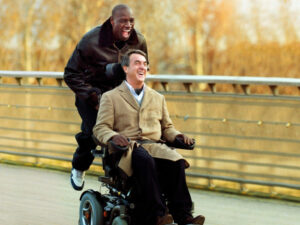
The Intouchables Revisited: Shifting Perspectives With our Dynamic Society

We present our first set of paired articles—the previously published The Intouchables–A Reflection on Disability and Caregiving: Who Helps Whom? and a new piece, Intouchables Revisited: Shifting Perspectives With our Dynamic Society, both by Dr. Sarah Caston. The author re-visits her previous article with a fresh perspective.

On her own journey to revisit this piece, Caston invites us into this “space of curiosity,” to question our long-held presumptions, and rethink words like independence, autonomy, and flourishing. She asks us to ponder what it means to “relinquish…our power in order to empower.” We present both her original review and her current commentary together, to observe the process of critical thinking–and re-thinking–and to perhaps prompt us to do so in our own work.

Doing Healthcare Research Differently: An Introduction to SocioHealthLab’s Special Video Series, Part 2

The SocioHealthLab “is a research collective of health and social science researchers, practitioners and students from Australia and around the world, striving for healthcare transformation through applied, justice-oriented, theory-driven, creative and collaborative socio-cultural research.” In this final video installment, authors share their creative works that range from a “poetic meditation navigating” life with aphasia to “healthcare related to sex and intimacy in the disability space.”

Three Poems: Lost in Translation

In this series of three striking, spare, and emotionally authentic poems, Marta Tymchenko provides thoughtful insights into three different perspectives on a clinical encounter. What is lost in translation when a loved one needs to interpret thoughts between the patient and the doctor?

Accommodating Students With Disabilities in Professional Rehabilitation Programs: An Institutional Ethnography Informed Study

In this enlightening study, 11 educators and 4 staff members from one Canadian university were interviewed about their work of accommodating students with disabilities in their occupational therapy and physiotherapy programs. The authors identify a “false dichotomy” that places the needs of these students in opposition with some of the professional requirements of a practicing clinician—and suggest some solutions.

“Turn Your Cameras On”

Physical therapy students nationwide are grappling with an unprecedented change in the educational system: forced remote learning of a hands-on profession. In this amusing and thoughtful essay, Noah Watson describes how experiencing one course—and witnessing its caring instructor addressing students’ frustrations—taught him the crucial importance of “empathy, patience, and compassion” in the healing process.

Resources: Finding Joy and New Perspectives

In this issue’s Resource section, Madison Beasley and Nela Handac provide a thoughtful list of resources curated to spark joy and lead to new perspectives. Offering options from a variety of multimedia sources, these engaging pieces serve as a reminder of the important role of tending to our well-being and fostering joy and creativity.

Implementing Expressive Writing in Outpatient Physical Therapy Clinics: Connecting Theoretical Foundations With Practical Strategies

This extensively-researched article presents a compelling argument for encouraging physical therapy patients to put their thoughts and feelings into writing. The authors argue that while empathetic verbal exchanges are fundamental to the rehabilitation process, simply encouraging patients to write—by using short answer prompts or other methods suggested here—can produce deeper insights that help improve treatment and outcomes.

“Finding Balance: The Hidden Gift of Being Thrown Off-Course”

In this second student essay focused on the Covid learning years, Bridget Graff details how her frustration with forced digital learning led her to discover a whole new perspective on life and work. Moving from being an active, dynamic, overworked student to one focused more on “concepts,” she developed a work-life “balancing act” that improved her academic performance—and will serve her for years to come.

Profiles in Professionalism With Bruce Greenfield

In this installment of the Profiles in Professionalism series, we interview Professor of Ethics at Emory University School of Medicine and one of the founding editors of the Journal of Humanities in Rehabilitation, Bruce Greenfield, PT, PhD, FNAP. In this interview, Dr. Greenfield discusses the intimate connections between professionalism and ethics and how he works with students to better understand their own core values alongside the core values of the profession.

Viral Imaginations: Healing Through Pandemic Narratives

As the COVID-19 pandemic blindsided us in 2020, an interdisciplinary team at The Pennsylvania State University (Penn State) developed the Viral Imaginations: COVID-19 project to encourage all Pennsylvanians to creatively cope by telling their unique stories. The results, sampled here, were profound. The authors note that similar projects could “benefit healthcare, including rehabilitation, by creating understanding among and between patients, providers, and others involved in the circle of care.”

Afflicted With Wishes for Change

In this powerful poem, Dustin Willis reflects on the frustration a parent feels while seeking answers and compassion from doctors who give too little time, thought, and care to his son’s complex needs. He wishes for change in this broken healthcare system. This is a heartfelt appeal that keeps needing to be made.

Editorial: Strange Bed-Fellows: Can the Humanities Help the Electronic Health Records Problem?

JHR Editor-in-Chief, Sarah Blanton, PT, DPT reflects on ways in which we may call upon the humanities to help grapple with the “4,000 click” problem of electronic health records that erodes clinician morale and reduces patient interaction. She does this first by recognizing the humanistic impact of technology, and then by calling upon interdisciplinary collaborative problem solving and critical inquiry to develop innovative solutions on individual and societal levels.

Humanities Instruction in Physical Therapy Education to Cultivate Empathy, Recognize Implicit Bias, and Enhance Communication: A Case Series

This article strives to encourage the use of humanities within physical therapy education and practice by offering examples of three health humanities-based instructional activities, including two implemented at US universities. “As curricular models in physical therapy education evolve,” the author notes, “the importance of humanities-based instruction to develop empathetic physical therapists should be considered and implemented, as it will not only benefit future patients, but the field of physical therapy as well.”

History of Present Illness

Inspired by reflections on the current Covid-19 pandemic and recalling AMA debates over the “duty to treat” HIV and AIDS patients in the 1980s, Sophie Schott has crafted a poem that challenges us not to repeat history by refusing to treat marginalized patients. “History of Present Illness” questions whether clinicians should be guided by personal preferences or by a higher calling.

The Road to Recovery

Kirsten Woodend considers the space between being “broken” and being “whole,” when the patient’s road to recovery will never end in full rehabilitation. She writes of the difficult struggle to choose between “acceptance” and constant striving toward “recovery.” In this poignant poem, she finds herself at a fork in this unique road.

Eye Spy 2022: Improving Nonverbal Communication and Interprofessional Perceptions in Health Science Students

In a second article deeply exploring the insights of the Eye Spy program (see Eye Spy, 2018), Cynthia Dodds et al examine the effects of guided visits to an art museum on affective domain development and interprofessional perspective in health science students. The authors demonstrate, step by step, how using visual-thinking-strategy instruction in a museum setting can support the development of “compassionate and patient- and family-integrated care providers.”

Resources to Promote Inclusion and Belonging

For Spring 2022, the JHR is publishing for the first time a resource list related to cultivating belonging for students and patients in healthcare education and healthcare settings. This exceptional compilation of articles, books, movies, and artwork could serve as “an academic course in and of itself,” according to one of our editors.

Doing Healthcare Research Differently: An Introduction to SocioHealthLab’s Special Video Series, Part 1

In this first of two installments within SocioHealthLab’s special video series with JHR, the authors “begin doing health research dissemination differently” by telling their “story/stories” through animation, music, sound, and discourse. The videos shared here range from heart-rending personal patient experiences of pain and fear, to a humorous ‘what-if’ look at rehabilitation processes with the use of cartoon animals. Viewers are invited to relax and share these brief accounts in a “quiet space.”

Office Visit

With observant humor and a brisk rhythm, Michele Mekel’s poem evokes the memory of an awkward encounter in a waiting room, where a doctor initially dismissed her at first sight. “Office Visit” serves as a reminder to healthcare professionals not to make snap judgments and underestimate their clients.

Reconciling Mystical Experience with Concept of the Self: The Poetry of an Individual with a Right Temporal Lobectomy

This poignant report maps the direct line between the introduction of humanities into rehabilitation and its powerful impact on healing—and beyond. It begins with a case study of a 47-year-old woman with a right temporal lobectomy at age 22, who has written poetry over the past 30 years “to express her positive mystical experiences.” The content then switches to the first-person, with poet Michele Slaton describing the remarkable insights she has experienced on her rehabilitation journey. Her poems, included here, present a deep and moving argument for the gifts that a physical crisis can unlock when humanities play a part in treatment.

Fall Editorial 2021: “Hope is a Muscle”

As we continue to grapple with multiple challenges to our collective well-being, Sarah Blanton explores the healing power of hope in her latest editorial. How, she asks, might we transform “a landscape of loss” into a “horizon of hope?”

A Reorientation of Belief: Considerations for Increasing the Recruitment of Black Students Into Canadian Physiotherapy Programs

Guided by the work of cultural theorist Sara Ahmed and critical race scholar Camara Phyllis Jones, these authors explore the perspectives of experts regarding barriers to and opportunities for increasing the recruitment of Black students into physical therapy programs in Canada.

“Do You Have the Coronavirus?”

On a day that should have been memorable for its joy, Henry Fok had an encounter that would ultimately inspire him to re-examine his future role as a physical therapist.

Toward a Social Psychoanalysis of Rehabilitation Practice

In a fascinating and thought-provoking piece, Thomas Abrams calls on the works of Sigmund Freud, and of modern critics and interpreters of Freud, to explore the rehabilitation clinic as a “space of desire.” What desires motivate patients and rehabilitation teams alike?

Art History as a Resource for Understanding Social Bias in Disability

In a dramatic presentation of imagery past and present, this author invites readers to consider ongoing attitudes toward persons with disabilities.

Humanity a Plenty

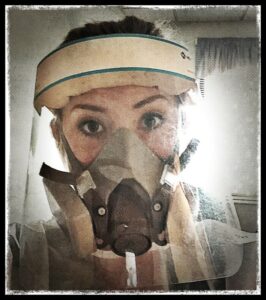
An important accompaniment to this poem is the photograph of a woman dressed in protective gear for the coronavirus. The woman in the photo happens to be the author’s daughter (but that is irrelevant) who works daily in hospice care with patients who have the coronavirus. The author believes the poem and photo send a simple but important message about preserving humanity in these difficult times.

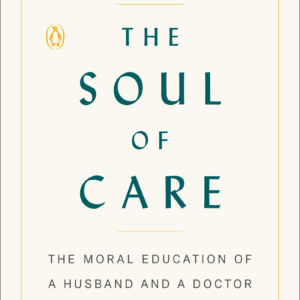
Defining What ‘Care’ Means: A Book Review of The Soul of Care: The Moral Education of a Husband and a Doctor

Arthur Kleinman’s new book takes a hard look at what ‘care’ means by taking the reader on his own personal journey – one that led to the challenge of caring for his wife. In this insightful summary, Bruce Greenfield highlights Kleinman’s call to “move beyond a narrow definition of caring as technical excellence to caring based on a continuous healing relationship …”

CHEP-JHR Student Essay Contest 2021-2022

[vc_row content_placement=”top”][vc_column][vc_custom_heading source=”post_title” font_container=”tag:h1|text_align:left|color:%231e73be” use_theme_fonts=”yes”][vc_custom_heading text=”By Sarah Blanton” font_container=”tag:h4|text_align:left|color:%23000000″ use_theme_fonts=”yes” css=”.vc_custom_1637080783560{padding-bottom: 30px !important;}”][vc_column_text]Download the article (pdf)[/vc_column_text][vc_column_text]The Fifth Annual Student Essay Contest is Now Open for

Resources: “My Spirit Burns Through This Body”

For the Fall 2021 issue of the JHR, we have invited the Emory DPT Humanities Committee to contribute these resources, which aim to not only “broaden our understanding of the human experience but to help us to develop ways to approach new or different experiences.”

Exploring How Racism Structures Canadian Physical Therapy Programs: Counter-Stories From Racialized Students

The authors of this study conducted in-depth interviews with racialized students or recent graduates of Master’s-level physical therapy programs in Canada. The students described their experiences of white culture, and how well-meaning fellow students simply weren’t aware of the institutionalized racism around them. In compelling quotes, the students detail their feelings of frustration and resignation based on repeated exposure to race-related stereotypes.

Healing Hands: A Street Medic in the Twin Cities Uprising

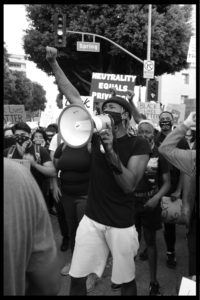
This unique reflective narrative presents a harrowing account of a clinician’s experience trying to heal the wounds of demonstrators during the Twin Cities uprising this past spring. Michael Rosentreter and Jáime Gonzalez vividly describe Rosentreter’s time spent navigating flash grenades, tear gas, and other threats as he provides medical support to demonstrators. The experience helped him realize how valuable the role of a physical therapist in emergency settings truly is. Reflecting on the lessons learned during those nights, he realized, “However elevated the risk to me, nothing I experienced compares to the fear and danger people of color continually face.” He states his commitment to the role of advocacy in physical therapy to recognize and dismantle systemic, institutional, and individual racism.

A Challenge from the ‘Otherside of America’: Perspectives from a Black Clinician

In this stirring account, Oluremi Wanjiru Onifade and Sarah Caston present an honest and compelling look at the challenges within the physical therapy educational community for Black and brown people. Onifade paints a picture of her life growing up as a Kenyan/Nigerian queer-identifying Black American, and the obstacles she overcame on the path to her DPT. Her account ends where she challenges her colleague Caston: “There is a lack of representation of Black and brown people teaching in your PT program. Are you willing to do something?”
In response, Caston describes how that direct question changes her perception as an educator. She asks, “What does it look like for me, a white, heterosexual, cis-gender woman, to stand up to racism? And again, I ask, what does it look like for the profession of physical therapy to do the same?”

A Letter to My Mother

An homage to a devoted Charge Nurse, “A Letter to My Mother” lovingly shows what makes a true hero in today’s healthcare system. Ezeoyibo Justin Otiwu’s mother works nights with her COVID-19 patients without complaint and returns home to serve as a caregiver. This letter is a call-to-action for a new perspective on our essential workers, and poignantly drives us to reckon with the question of “how will we advocate for much-needed change to help the system’s valiant fighters?”

Black Lives Matter and Anti-Racism Resource Guide

In alignment with our ongoing series dedicated to addressing social change, we offer a list of humanities-based resources for the Black Lives Matter movement and social justice. The materials accessed through the links offered here address art, beauty, dance, ethics, health issues, humanities education, movies, music, writings, and the Black experience in academia and the workplace. Readers are invited to access it frequently to educate themselves, self-reflect, and either begin or add to their journey toward being consistently anti-racist.

COVID-19 Resources: Health, Humanities, and Pandemic Intersections

To help JHR readers—and clinicians dealing with the pandemic—find inspiration, intellectual stimulation, and even some entertainment during these days of crisis and necessary isolation, Jamie Fleshman, SPT has compiled an extensive list of thought-provoking resources. The materials accessed through the links offered here address ethics, disability, a wide range of the arts, education, and clinical information—all collated from a humanities perspective. Readers are invited to access it frequently for inspiration during the weeks ahead.

Why Was I So Afraid?

In this thoughtful piece, Dr. Regina Kaufman tells of an encounter with a man in a checkout line who remembered that she was his physical therapist more than 30 years ago. Describing the man’s “relatively cool” demeanor, she expresses her fear that perhaps his memory of his treatment was not a completely positive one. She tries to recall the level of care she was able to provide as a novice, and notes that wisdom can only truly develop over time.

Vulnerability in Sports and Orthopedic Medicine

In her narrative reflection, Kate Mihevc Edwards presents her honest self-portrait as an avid runner whose life — and very identity — were altered by injury. But experiencing the vulnerability of losing her very sense of self proved to be a gift over time, she reports. “The work I put in to help me survive and cope made me a better clinician,” she states. She shows how her loss helped her to develop a deeper understanding of the importance of empathy in healthcare.

My Father’s Journey: A Reading and Interview with Susan S. Deusinger, PT, PhD, FAPTA

In a poignant personal account, Susan Deusinger details her father’s final months and his ultimate decision to take charge of his own death process. Although his passing left a void in her life, she notes that he also gave her “the privilege of honoring his beliefs and supporting his choices — something we don’t always have the opportunity to do as clinicians.” A video interview accompanies this piece, in Deusinger’s own words.

Beyond Words

In her essay, “Beyond Words,” Amanda Kaufman, PT, DPT illustrates how providing a space for her patient to tell her full story, during one of her darkest moments, and listening carefully, established the trust that allowed their healing work together to begin.

Pride, Prejudice, and Professionalism

Grace White, PT, DPT, relates in her essay, “Pride, Prejudice, and Professionalism,” how she used patience, insight, and a clever strategy to overcome her patient’s sexist bias against her and deliver his treatment.

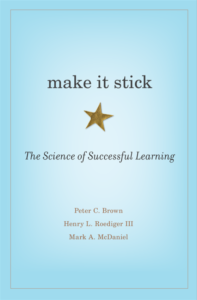
The Science of Successful Learning: Applications to Physical Therapy Education

Co-author of the book Make it Stick: The Science of Successful Learning, Mark McDaniel offers his insights into the importance of questioning the “erroneous intuitions and common practices” within contemporary education. The book highlights the faulty ways people often go about learning, and explains the research supporting how learning and memory actually work and can be optimized. In applying these concepts to physical therapy education, Leda McDaniel, Mark McDaniel’s daughter, presents three key learning techniques from Make It Stick. Having successfully employed these techniques over the years, Leda notes how they can help students “overcome challenges in acquiring the foundational knowledge and skills needed for physical therapy practice.

Learning Sciences in Curricula: Making Excellence in Physical Therapist Education Stick

This companion piece to the McDaniels article builds on their arguments for improved learning and applies them to physical therapy education. Steven Ambler advocates for the integration of Learning Sciences in physical therapy curricula. “Curricula that position the student, faculty, and profession as learner, and consider the plurality of learning theories, can help us all reach a deeper sense of what it means to be a physical therapist serving society,” he notes.

Social Context and Ambivalence in Medicine: A Book Review of “Doctors at War: Life and Death in a Field Hospital”

In their insightful review of Doctors at War, Sean Halpin and Mariano Dossou Kpanou highlight the importance of the book’s account of how a medical team operated on the front lines of war in Afghanistan in 2011. “Few studies examine how teams work together in extreme and challenging environments,” they note. But this short and intense book “provides a unique glimpse into how these teams function in real time.” Reading it may help prepare healthcare professionals “for unprecedented situations, such as the COVID-19 health crisis of 2020,” they conclude.

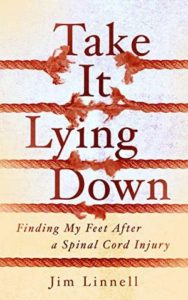
Book Review of Jim Linnell’s “Take It Lying Down: Finding My Feet After a Spinal Cord Injury”

Jamie Fleshman reviews Jim Linnell’s book, “Take It Lying Down: Finding My Feet After a Spinal Cord Injury,” Linnell’s lively and moving account of his first two years of rehabilitation after a catastrophic accident. Fleshman also presents her interview with Linnell, including his advice for patients and clinicians during those first two critical years.

Fall From

Julia Chevan leads us into her experience of a concussion through her moving and intimate poem, revealing the challenge of recognizing a new reality on the road to recovery.

Constellation Syndrome

In this exquisite poem, Sophie L. Schott conveys the language that envelops a mother and her infant son, surrounded by complex medical equipment and imagining another narrative, a life not “seen through the telescope of sickness.”

Communicating in the Silence: Mental Health and Cultural Considerations in the Deaf and Hard of Hearing Population

“Communicating in the Silence” focuses on the challenges that deaf and hard-of-hearing (DHH) patients can face when seeking mental healthcare. Marcela Almeida and Katherine Kosman detail the barriers to care of one DHH young man, whose “medical diagnosis and treatment path were substantially changed by a more careful assessment that considered the unique aspects of the DHH population.” The authors’ recommendations for the future include an argument for greater use of Certified Deaf Interpreters in healthcare.

Fall 2020 Resources

doi: 10.18737/06071234568 AMA Citation: Handac N. Fall 2020 Resources. J Hum Rehabil. 2020; Fall. doi:10.18737/06071234568 Download the article (pdf) Table of Contents What We’re Reading

Historical Perspectives in Art: The Value of Art History in a Pandemic: Teaching as a Healing Force

In this powerful reflection, Siobhan Conaty shows how art history as a health humanities discipline can provide two uniquely different (yet equally important) teaching methods for students reckoning with a health crisis. One negative (a critical reading of graphic pandemic images) and one positive (looking to art as a powerful healing instrument), each serves an important purpose. Conaty details the positive approach she recently chose for her students — emphasizing art as a healing force.

JHR Special Edition 2020 Summer Newsletter

doi: 10.18737/0607123459 AMA Citation: Lummus E. JHR Special Edition 2020 Summer Newsletter. J Hum Rehabil. 2020; Spring. doi:10.18737/0607123459 Download the article (pdf) “If I ever

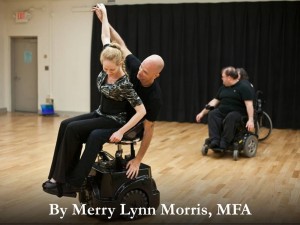
How Art Embodies Story: An Exploration of Basquiat Through a Physically Integrated Dance Performance

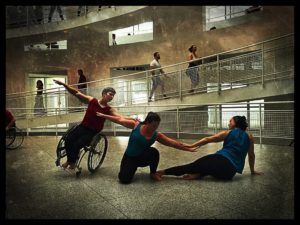
Melissa McCune reports on a recent dance project of Full Radius Dance—a company that integrates disabled and non-disabled dancers—which interpreted the works of artist Jean-Michel Basquiat. As a child, Basquiat experienced a debilitating injury that greatly influenced his art. Encountering groundbreaking works such as these, McCune explains, can help clinicians look beyond basic anatomy to see the “layered nature” of pain and disability.

“What is saving you now?”

None of us could ever have imagined that we would be a part of one of the generations of history. But our challenge has arrived. In an inspirational message, JHR Editor-in-Chief Dr. Sarah Blanton examines what it means to navigate these uncertain times. She demonstrates how a humanities perspective can well be what saves us and makes us stronger. “I truly believe this cohort of clinicians, experiencing this pandemic, will emerge with exceptional levels of resiliency, compassion, cognitive flexibility, and critical thinking skills…,” she concludes. “Our world will be remarkable in ways we have yet to imagine.”

Profiles in Professionalism With Carol M. Davis

In this personal and insightful interview, Dr. Carol M. Davis relates her process of becoming a physical therapist, noting that the road to professionalism involves a willingness to “mature into oneself.” Describing her experiences working with students entering the field of physical therapy, she illustrates why studying the humanities helps students move beyond viewing their work as merely an occupation. Her reflections steer us towards a deeper understanding of what it means to be an extraordinary professional.

My Journey Using Art as Physical Therapy

Babs McDonald describes her journey toward recovery from an ischemic stroke through painting and sketching. Through numerous examples of her artwork, she details her experiences pushing through impairment to create images chronicling her life. Based on her success, she advocates for the use of fine art techniques to foster upper limb movement in stroke survivors. Creating her art, she says, has taught her that “there are no failures in my recovery, only new challenges.”

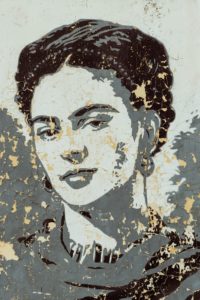
Dynamic Autonomy in Chronic Pain Management: Frida Kahlo Illustrates

As today’s healthcare professionals struggle to address the challenges of chronic-pain management, Debra Gorman-Badar argues that current multidisciplinary programs are missing a crucial component: an updated conception of patient autonomy. She details how expressive therapies help patients integrate their chronic-pain experiences into their lives and promote healing self-knowledge—as Frida Kahlo did through her remarkable paintings.

What’s at Stake With Biomusic? Ethical Reflections on an Emerging Technology

Biomusic, emerging technology that translates physiological signals into sound/musical output may offer utility as an assistive technology for people with autism. The authors explore a variety of perspectives in humanities and social sciences to reflect on the ethical issues at stake with the use of biomusic in rehabilitation.

Perspectives On ‘Person-Centeredness’ From Neurological Rehabilitation and Critical Theory: Toward a Critical Constellation

Jenni Aittokallio, PT, MH and Anna Ilona Rajala, PT, MA explore in-depth the concept of person-centeredness in healthcare and rehabilitation. As a part of their research, they interviewed recipients of neurological rehabilitation, to determine what in their treatment had been truly meaningful for them. The authors suggest that person-centeredness is best viewed as encompassing a complex constellation of factors and issues surrounding each unique patient.

The Americans with Disabilities Act (ADA): Honoring 30 Years of Civil Rights Protections

July 26, 2020 will mark the 30th Anniversary of the Americans with Disabilities Act (ADA), which was signed into law by President George H.W. Bush in 1990. The ADA National Network, which provides information, guidance, and training on the Americans with Disabilities Act (ADA), is celebrating the act’s 30th anniversary with programs and events throughout the year and on its actual anniversary in July. Read this article to learn more about the ADA 2020 anniversary event and other resources.
Toward True Equity: A Call for Further Revisions to the ADA

In a timely and important editorial, Jamie Fleshman, SPT calls for new amendments to the Americans with Disabilities Act. She identifies a critical contributor to American disability: the continued inaccessibility of public spaces. Attention must be drawn, she argues, to an American infrastructure that has been constructed for “a certain set of abilities,” and is profoundly outdated.

Searching Behind “No!”

Congratulations to Northwestern University Doctor of Physical Therapy Program graduate student Bethany Shieh, SPT, the winner of the annual physical therapy student essay contest co-sponsored by the ACAPT Consortium for the Humanities, Ethics, and Professionalism (CHEP) and JHR. In her essay, “Searching Behind ‘No!'”, Ms. Shieh illustrates how we can create space to understand the pain, suffering and frustration that accompany and influence patient care, if we are willing to enter and dwell in our patient’s life experience.

Spring 2020 Resources

doi: 10.18737/0607323450 AMA Citation: Baas A. Spring 2020 Resources. J Hum Rehabil. 2020; Spring. doi:10.18737/0607323450 Download the article (pdf) Table of Contents What We’re Watching

Reviving and Reflecting on “Portrait of Spirit: One Story at a Time”

Both a book and an exhibit, Portrait of Spirit: One Story at a Time by Billy Howard and Maggie Holtzberg offers new perspectives while challenging the way we view the lived disability experience. Using stunning photographs and beautifully written narratives from Portrait of Spirit, this piece serves as an ode to the groundbreaking stories that started it all while advocating for continued societal change for people living with disabilities.

Critical Disability Studies With Rehabilitation: Re-thinking the human in rehabilitation research and practice

In this Perspective, Donya Mosleh, PhD argues for a new mode of scholarly practice that recognizes and addresses tensions between two fields that seemingly occupy opposite ends of a continuum. In order to promote a more productive engagement, critical disability studies with rehabilitation sciences unsettles knowledge relations that position these two fields as oppositional and incompatible.

Finding Help: Exploring the accounts of persons with disabilities in Western Zambia regarding strategies to improve their situation

The main focus of rehabilitation is to provide help to those who need it. But does the Western definition of “help” always apply in other regions? In “Finding Help: Exploring the Accounts of Persons With Disabilities in Western Zambia…,” Shaun R. Cleaver and colleagues present the concept of help in a completely new light, and offer suggestions for a more societally-based approach to healing.

Out of Oxygen

In this sensitive reflection, DPT student Mercedes Aguirre describes an incident during her first clinical experience that taught her the importance of taking a deep breath—and speaking up on behalf of one’s patient.

Beyond First Impressions

Jake Raecker, DPT student, recalls a patient he encountered during his first clinical rotation who gave him quite a shock—but, with care and attention, taught him a valuable lesson about looking beyond first impressions.

“The Best is the Enemy of the Good”

The healthcare professions often attract talented, committed perfectionists. But what can practitioners do when that perfectionism negatively affects rehabilitation? In “The Best is the Enemy of the Good,” David Gillette describes how his PT residency experience, and the thoughtful guidance of his mentors, helped him confront the negative aspects of his perfectionism and turn his thoughts toward the good.

Human Anatomical Gifts and Informed Consent: Three Perspectives

The United States abides by the Revised Uniform Anatomical Gift Act to regulate bodies donated to science; prior consent must be given. When DPT students at Georgia State University had the opportunity to attend an anatomic exhibition displaying preserved human specimens from another country, many ethical questions arose. In “Human Anatomical Gifts,” three writers offer their perspectives, developed during the discussions that ensued, on the ethics of anatomic study—and exhibition.

Resources

Keenan Whitesides and Dorottya B. Kacsoh will compile the Resources section for the Fall 2019 Issue.

Exploring Excellence: Author Reflections on Educating Physical Therapists

In this issue’s Book Review, the authors of Educating Physical Therapists describe their “10-year journey” of discovery that produced the first definitive report on the state of American PT education in a half-century. They highlight aspects of their findings of particular interest to readers of JHR—for example, their recommendations for “integration of the humanities across the curriculum.”

Profiles in Professionalism with Nancy Kirsch

In our Fall 2019 installment of JHR’s “Profiles in Professionalism” series, we sit down with Dr. Nancy R. Kirsch—a thinker whose compassionate, prolific scholarship is recognized throughout the field of rehabilitation. In this interview, Dr. Kirsch explores how physical therapy has evolved, and the critical role the humanities play in developing caring and compassionate professionals.

Agency Restored, Dignity Preserved: Lessons Learned as an Art Historian About Enhancing Quality of Life for People With Dementia

“What started as a narrowly-focused mission to welcome people with dementia … into our museum for the first time evolved into a much broader and more profound project: to reinvent what agency within the museum would look and feel like for visitors living with dementia,” author Susan Shifrin notes in this compelling piece. She details her journey from that experience to founding ARTZ Philadelphia, a program that invites people with dementia to serve as mentors to program participants.

Profiles in Professionalism With Beth Skidmore

This installment of JHR’s interviews with industry innovators focuses on clinician, researcher, and educator Beth Skidmore, an award-winning Occupational Therapist whose gifts inspire a wide range of students. Beginning with her early days, detailing why she chose her field, to describing her current leadership roles, Dr. Skidmore offers a compelling picture of how professionalism develops and professionals reach enlightenment. “I think now professionalism means to me…grace and humility,” she notes.

Poet in Profile – Ted Kooser

Interpreting poems written by renowned poet Ted Kooser in a Nebraskan winter in 1998, his friend Amy Haddad highlights the beauty of the human spirit when faced with life-threatening challenges. Kooser wrote the poems on his two-mile walks before dawn as he recovered from surgery, chemotherapy, and radiation for tongue and neck cancer in 1998. Compact and powerful, they show how one creative mind forged a bit of order in the “chaos” of recovery.

Editorial: The Healing Power of Seeing—and Being Seen

Part of our job as clinicians is to recognize that while our knowledge and skills are the tools to facilitate the body’s recovery from illness, it is our shared humanness, our presence, that supports the healing power of the soul. How we dance along those lines—recognizing where our role is to fix or simply be present—is the beautiful, sometimes haunting part of the rehabilitation landscape that the humanities can help us navigate.

‘Making Strange’: Exploring the Development of Students’ Capacity in Epistemic Reflexivity

Engaging in epistemic reflexivity, or the ability to question the ways in which we practice, and their association with organizational and social structures, is the key to gaining a clear perspective on the profession, according to these authors. How can students take a step back, and gain true insight into their professional world? This study employed a 7-step framework to introduce learners to the process of “making strange.”

Gathering on the Wrong Side of the Road: Critical Race Scholarship Across the Health Humanities

In a compelling response to our article, “Exploring How Racism Structures Canadian Physical Therapy Programs,” Dr. Bryan Mukandi offers an account of his critique of early drafts of the article, requested by the authors. He notes that his fear at the time was that the article “was an inadvertent reiteration of the idea that the inclusion of people of color in health disciplines is a matter of charity rather than justice.” Dr. Mukandi expresses the hope that more colleagues like these can gather with those “on the wrong side of the road” to foster dialogue and spur change.

Harnessing the Power of Language for Healing

Spurred by her recollection of Amanda Gorman’s beautiful poem spoken on the steps of the Capitol building just days after a violent attack, Sarah Blanton, in her Spring 2021 Editorial, reflects on the power of words to harm or to heal. She encourages readers to consider the daily impact of their own words on those around them. She details how researchers, educators, and clinicians can more deeply engage with the humanities in order to better hear their own stories—thereby strengthening their individual power for healing with the spoken word.

Reading Eucalyptus: Reflections on Narrative Education in Medicine and Health Sciences

Healthcare educators may find inspiration from a seemingly infinite number of resources. In “Reading Eucalyptus,” Christy D. DiFrances describes how an encounter with a work of magical fiction years ago still provides her with “keen observations that are surprisingly relevant to education in academic medicine and health sciences.”

The Fragility of Life: Through Service I Live

In an honest case study from his residency year, Corey Nolte shows how “my narrow-minded understanding of the resiliency of the will to live was expanded.” As his terminally-ill cancer patient became more frail and less willing to accept treatment, they shared a tender, intimate moment of prayer. Nolte offered comfort through his patient’s final days. By carefully supporting end-of-life wishes, he notes, “we can help to unburden patient angst and give direction to our own moral compass.”

Climbing Back into the World

In her stark and direct poem, Kirsten Woodend details the “multitude of indignities” that someone “in the process of body repair” can suffer. She notes how a person in recovery becomes a child in others’ eyes, “incapable of coping mentally or physically.” The poem asks why these extra psychological burdens must be added to the healing process.

Fostering Hope and Coping While Living With Lymphedema: A Visual Narrative for Engaging Cancer Survivors and Caregivers

With compelling quotes from participants, and links to their groundbreaking video, these authors relate the fundamental impact of a series of workshops they developed to help cancer survivors live with lymphedema. The lymphedema video is “an accessible tool for patients, caregivers, students, and healthcare professionals,” they note. “We echo the participants’ hope that it will encourage dialogue between health professionals and patients.”

Patient Care During a Pandemic: The Significance of Humanism in Healthcare

How does a student cope with isolation during a forced four-month break from clinical rotations? Olivia Wolfe enrolled in an online course, Humanism in Health and Healthcare. Its impact inspired her to use her “voice and privilege to uplift and support essential causes fighting the twin pandemics of COVID-19 and racism.” She details her journey to a new commitment to humanism at home and in the clinic.

Art Informing Interdisciplinary Care for a Veteran Recovering from Traumatic Brain Injury: A Case Study

This poignant case study, featuring impressive art created by a military veteran with traumatic brain injury and comorbidities, expresses the power of Art Therapy to heal profound physical and psychological wounds. “The veteran’s art increased his self-awareness while informing the clinical team of his ongoing experience,” Gayla Elliott notes. His art and his words make a compelling case for adding art to the rehabilitation process.

Empathy

In this artfully crafted poem, Jamie Fleshman makes a strong distinction between the shallow demands of sympathy and the far deeper mutual understanding that evolves from genuine empathy. She speaks authentically from her own experience, giving moving, useful instruction to those who want to come alongside.

Spring 2021 Resources

In this issue’s Resources page, Eric Holshouser offers a rich list of ways to cope with the isolation of the COVID landscape by spurring creative thought. Readers may find respite in The Art of Happiness by the Dalai Lama, or view an online webinar on Flourishing in an Era of Uncertainty. Holshouser also includes links to crucial current information—such as the groundbreaking, and important, video The Social Dilemma.

A Journey Toward Mindfulness

In “A Journey Toward Mindfulness,” Kelsey Robinson, SPT describes the steps she took to turn the effects of a crippling racist remark into a positive force for self-discovery. Rather than holding in her pain and self-doubt, she accepted an invitation to tell her story to young people. “In the process, I found my voice,” she notes. She encourages others to do the same. “Someone needs you,” she states. “The trials you face today will become your strength tomorrow as a clinician.”

The Gift of a Quieted Breath

Hannah Vaca evokes an important learning moment in this moving and heartfelt poem, as she reflects on the gift a donor’s body provides and how a donor’s sacrifice impacts the lives of developing health professionals.

The Persisting Values of Humanism, Integrity, and Truth-Seeking

Presenting the Fall 2020 issue of JHR to readers, Editor-in-Chief Sarah Blanton looks deeply into the role of humanities in healing and inspiring a nation facing challenges both physical and societal. Remembering the last words of Representative John Lewis urging Americans to “stand up, speak up and speak out,” Blanton pledges the commitment of JHR to presenting narratives, both personal and collective, that encourage fundamental healing. She introduces with this issue a themed series dedicated to topics of social justice as well as the experiences of people caught in the COVID-19 pandemic. “We believe, in moments like these, that the next right step begins with seeing each other more clearly and using the humanities as a conduit for exploring the lived experience of others.”

Physical Therapy at Bath War Hospital: Rehabilitation and Its Links to WW1

Heide Pöstges, MSc, PT explores the accelerated development of rehabilitation medicine during the First World War (WWI), through the artwork of British painter E. Horton. In the painting, “Physical Therapy at Bath War Hospital,” Horton depicts one of the very first physiotherapy departments in England. As Pöstges analyzes the painting in its historical context, we are given a new perspective into the socio-political-economic aspects of the evolution of physical therapy.

Editorial: Cultivating Vulnerability

doi: 10.18737/0607723457 AMA Citation: Blanton SR. Editorial: Cultivating Vulnerability. J Hum Rehabil. 2019; Spring. doi:10.18737/0607723457 Download the article (pdf) Table of Contents   “I cannot

Goodbye, With Love

Amanda Sharp won this year’s CHEP-JHR Student Essay Contest with her essay “Goodbye, With Love,” which reflects on both her personal and her professional experiences with patients in hospice care.

Returning Back to Oneself: Cultivating Vulnerability in the Health Professions

In her essay featured in this issue, “Returning Back to Oneself: Cultivating Vulnerability in the Health Professions,” Nicole Piemonte, PhD reflects on her book, Afflicted: How Vulnerability Can Heal Medical Education and Practice. Using philosophers such as Nietzsche and Kierkegaard as guides, Piemonte seeks to explore why many clinicians experience a “crisis of meaning” in their work. With the primary focus of healthcare education on biologic intervention, topics of vulnerability and the lived experience of suffering are largely minimized, if not absent. Piemonte calls for us to create a learning environment that recognizes vulnerability as a means to cultivate the courage to authentically engage with human suffering.

Stone Tongue

doi: 10.18737/0607823456 AMA Citation: Flores F. Stone Tongue. J Hum Rehabil. 2019; Spring. doi:10.18737/0607823456 Download the article (pdf) Table of Contents The doctor observes.My son’s

Profiles in Professionalism: Interview with Gail M. Jensen, PT, PhD, FAPTA

In our second installment of our “Profiles in Professionalism” series, we interview Gail Jensen, PT, PhD, FAPTA, FNAP, dean of the Graduate School and vice provost for Learning and Assessment at Creighton University. Recognized internationally for her scholarship in expert clinical practice, professional ethics, and interprofessional education, Jensen explores the meaning of professional identity and the ways we can use the humanities to strengthen professionalism in the field of physical therapy.

Resources: Spring 2019

doi: 10.18737/0607823459 AMA Citation: Godbole N, Whitesides K. Resources: Spring 2019. J Hum Rehabil. 2019; Spring. doi:10.18737/0607823459 Download the article (pdf) Table of Contents  

Re-Imagining Humanism in Rehabilitation

What does it mean to be a professional? What is professionalism? How do we help to develop professional formation in students and clinicians? How do we develop ethically-engaged clinicians? Is professionalism part of best practice, and why?

Pitfalls and Pearls of Persistent Pain

As the subject of chronic pain and its treatment has become crucially important in today’s healthcare and rehabilitation environments, we offer the accounts of three physical therapists who have encountered patients with persistent pain and learned valuable lessons in the process. The article shows how a humanistic approach—involving factors such as trust, shared decision-making, and empathy—can add a psychosocial dimension to the treatment of chronic pain, and work to achieve more lasting results.

Use of a Patient-Educator to Train Doctor of Physical Therapy Students Regarding Sexuality and Disability

In this thought-provoking article, Cara Felter, PT, DPT, MPH describes a paired approach between a faculty member and an individual with a spinal cord injury to teach physical therapy students about sexuality and disability, and offer guidance for speaking with patients about this sensitive subject.

Call for Submissions: Journal of Humanities in Rehabilitation Physical Therapy Student Essay Contest 2024-2025

The Consortium for Humanities, Ethics and Professionalism (CHEP) of the American Council of Academic Physical Therapy (ACAPT) advocates for the importance of the humanities, ethics, and professionalism in physical therapy education practice because excellent clinical practice requires the ability to make meaningful connections with patients and to make decisions in unclear or vulnerable circumstances.

Life Transformed Through Movement

A photograph, a memory of the sound of wind in the trees, of a chill in the air, invoke a personal reflection of a life focused on movement and care. In her delicate poem, Kathryn Zalewski, PT, PhD, MPA,uses Gregg Fuhrman, MPT, OCS, CFMT, CMTPT’s image to guide her description of life as a physical therapist, a mother, and a teacher — in whispers.

Commonality in Communication

ACAPT Consortium for the Humanities, Ethics, and Professionalism (CHEP) and JHR student essay contest finalist: Becky Mercuro, SPT shares her experience changing a patient’s outlook, and recovery, by speaking to her in her native tongue—not just about her condition and treatment, but also about her life and her “hope of healing.”

Unlocking Inner Joy

ACAPT Consortium for the Humanities, Ethics, and Professionalism (CHEP) and JHR student essay contest finalist: In this light-hearted account of meeting a former gymnast in the rehabilitation room of a nursing home, Mercedes Aguirre shows how listening to a patient’s story and finding common ground can boost results exponentially.

Eye Spy for Physical Therapy Graduate Education

Cindy B. Dodds, PT, PhD, PCS and colleagues describe how their successful pilot program took physical therapy students out of the university setting and into a local art museum for a unique experience of observation using visual thinking strategies.

Resources: Fall 2018

Speechless: For two seasons, Speechless looks at the struggles and triumphs of an American family with a son with a disability. One of four kids, JJ DiMeo—played by Micah Fowler, who has cerebral palsy himself—is a teen growing up with a physical disability who uses a communication device to speak.

Three Voices at the Table

In a fascinating, creative account, Tania Riske, MS/CCC-SLP, and CeCelia Zorn, PhD, RN let the voices of a patient, his wife, and his speech/language pathologist describe the challenges, small triumphs, and human connections involved in the treatment of primary progressive aphasia—a rare neurological disease that causes the total loss of speech.

Historical Perspectives in Art | Edgar Degas: Celebrating Beauty in Movement

Melissa McCune, SPT takes you into the world of Edgar Degas as he captures the art of physical movement. She shows us how, at a time when art focused on the face, the clothing, perhaps the hands, Degas chose to focus his paintings “on the body as a whole to reveal its objective beauty and intimate connection with the space around it.”

Author Reflection: Rehabilitation: A Post-Critical Approach

Barbara E. Gibson, PhD, Associate Professor at the University of Toronto, discusses her book: Rehabilitation: A Post-Critical Approach, a text for rehabilitation science students to engage with critical social theories, providing a framework to think through the application of these ideas to research and practice.

Mind Mapping: Using Visual Thinking to Improve Patient Care and Quality of Life

Phillip Kellogg, SPT, and Ali Nogi, PT, DPT, present an overview of the practice of Mind Mapping—a visual-thinking tool used for organizing information. Citing Dr. George Huba’s use of Mind Mapping to support his independence as he lives with dementia, the authors make the case for the technique’s effective application in healthcare and rehabilitation.

Student Essay Contest Winner: Mrs. Z

Congratulations to Creighton Doctor of Physical Therapy Program graduate student, Hayley Rieger, the winner of the inaugural physical therapy essay contest, co-sponsored by the ACAPT Consortium for the Humanities, Ethics, and Professionalism (CHEP) and JHR! She reflects how her patient taught her that “helping someone reach their full potential means hearing the song in their heart and finding a way to sing it back.”

Bringing Therapy Home: Book Review of One Hundred Names for Love

Professor Julie Hengst, PhD, reviews One Hundred Names for Love: A Stroke, a Marriage, and the Language of Healing, by Diane Ackerman. The book chronicles how Ackerman responded to her husband’s aphasia by turning their home into an enriched rehabilitative environment that challenged his cognitive functions daily, and achieved inspiring results.

Insights from the Margins of Thought and Experience

Welcome to the Spring 2018 Issue of the Journal of Humanities in Rehabilitation. We explore how agents of change are frequently those individuals or communities, creatively and courageously asking challenging questions and seeking new perspectives.

Introducing a New Section of JHR Dedicated to ‘Critical’ Rehabilitation Research and Scholarship

Jenny Setchell, PhD, BScPT and Barbara Gibson, PhD are co- editors of a new section in JHR dedicated to publishing research and scholarship that employ critical perspectives on rehabilitation. They seek submissions applying critical, post structural, or postmodern theories including original research, think pieces, and theoretical discussions of the philosophical basis of rehabilitation practices, education and/or research.

See Me

Amanda LaLonde, PT, DPT, GCS shares an original poem that captures the feelings of frightened, defiant patients in an impersonal healthcare system. In her author commentary, she then presents a challenge to herself and her colleagues to return humility, humanity, and empathy to healthcare.

A Canvas, Some Paint—and a Famous Artist Has Changed the Game of Cardiac Rehab

Sarah Smith, SPT, and Kathy Lee Bishop, PT, DPT, report on Art with Heart, a creative program for patients recovering from cardiac surgery. The classes, initiated by artist Wayland Moore following his own triple-bypass surgery, address the healing of the minds and souls of recovering patients.

Healing from ‘Brokenness’: The Story of Corinne

In this tender account of his family’s fostering and later adoption of Corinne, a physically traumatized infant born with neonatal abstinence syndrome, Chad Jackson, PT, DPT, OCS, details how a healthcare provider’s empathy, empowerment, and connection form a crucial aspect of the healing process.

Resources: Spring 2018

doi: 10.18737/0607412345 AMA Citation: Whitesides K. Resources: Spring 2018. J Hum Rehabil. 2018; Spring. doi:10.18737/0607412345 Download the article (pdf) Table of Contents What We’re Watching

Inside “Christina’s World”

Working with medical students at Penn State University, J.O. Ballard, MD, uses the art of Andrew Wyeth to sharpen their observational skills and help them develop an empathic understanding of the patient’s lived experience of illness.

The Game

In her poem “The Game,” Anju Kanwar marks the slow progress of time one experiences when haunted by painful thoughts and memories, in the early-morning hours of solitude following a loss.

Imprisoned

Vivid, sensorial reflections–of sight, of sound, of touch–create an intimately familiar and entirely unique lyric contemplation on memory and an imagined life-changing injury in Bruce H. Greenfield’s “Imprisoned.”

Two Dreams about Losing My Body

Body, my house my horse my hound, what will I do when you are fallen…? Johanna Lutrell, PhD, describes the experience of losing her body after a sudden onset of Guillain-Barre Syndrome.

The True Weight of Stigma

In a thoughtful and sensitive report, physical therapist Cameron Jadali discusses the lessons learned in his interaction with an overweight patient–reflecting on his previously unrealized biases regarding weight.

Toward a New Veteranology

Independent scholar Sue Smith reviews John M. Kinder’s Paying with Their Bodies: American War and the Problem of the Disabled Veteran. In the book, Kinder calls for a radical transformation of rehabilitation from a medical model to a social model of disability.

Engaged Citizenship

Welcome to the Fall 2017 issue of the Journal for Humanities in Rehabilitation. We invite you to consider the meaning of engaged citizenship in your curricula and ways the humanities provide creative and innovative intersections of the work of rehabilitation in society.

The Power of Stories for Patients and Providers

Robyn Fivush, PhD, argues that sharing our stories with others, and listening to their stories, is a fundamental way of connecting–for patients and medical providers alike. She reports on emerging research that demonstrates the power of stories to build empathy and promote healing.

Rehabilitating Citizenship: Lessons from Across the Curriculum

Professors Jeffrey Bernstein, Michael Smith, and Rebecca Nowacek make the case that being a good citizen requires understanding the lives other people experience–their joy and suffering–and working to ease the troubles others face.

Bedside Audio Storytelling for Hospital Patients: A Program Overview

Authors Ami Walsh, MFA, Jeffrey Evans, PhD, and colleagues describe how digital technology is being used to create patient-centered audio stories in a dynamic program at Michigan Medicine. Audio storytelling, they report, helps to honor a patient’s sense of self and offer comfort and hope.

Resources: Fall 2017

Collection of links and resources for health humanities with potential applications in rehabilitation sciences education, clinical care and research.

Frida Kahlo’s Backbone

Through a carefully constructed and thoughtful poem, Michael J. Leach, PhD, explores the tumultuous life and art of Frida Khalo revealing the tremendous strength that underlies this artist’s work.

The Other Side of the Bedrail

After nearly 20 years of clinical practice, physical therapist Mary Pugh Alligood finds herself reflecting on lessons learned from the other side of patient care and poignantly describes her experiences after a diagnosis of inoperable brain cancer tumor and colostomy surgery.

Lessons from the Lake

Through her description of a personal encounter with an acquaintance devastated by a stroke, Regina Kaufman, PT, EdD, MS, NCS, contemplates how personal connection during therapy sessions may enable patients to re-embody the world and social roles that they have lost.

War Photography: The Physical and Psychological Costs

Exploring the lives and careers of 12 extraordinary war photographers, Anthony Feinstein, PhD, underscores the grave danger these visual historians encounter when covering conflict and raises our awareness of the individuals behind the camera, who risk their lives to bear witness to violence and suffering.

Poet in Profile: Larry Eigner

English doctoral student Joe Fritsch provides an introductory look into the complex visual poetics of Larry Eigner (1926-1996), a poet with cerebral palsy, who developed his artistic practice over a lifetime.

Blurring Lines Between Arts and Sciences

Welcome to the Spring 2017 issue of the Journal for Humanities in Rehabilitation. We celebrate educators who blur the lines of arts and sciences as they reveal the true interconnections which drive both innovation across fields and also a deeper meaning individually within ourselves.

Healing Hands

Reflecting on his devoted relationship to his wife, Linda, and her rehabilitation with Occupational Therapist, Melissa Tober, David Bryan Lackey shares the powerful story that inspired the photograph “Healing Hands” and the resultant formation of the Healing Hands clinic which showcases professional images of hands from around the world.

Our Roots as Rehabilitation Specialists

Vintage 1951 video footage from the first World Confederation of Physical Therapy (WCPT) lays the framework for historical reflections on the evolution of Physical Therapy and rehabilitation, tracing roots of professional identity to distinct cultures and practices from around the world.

Healing Bodies with Diverse Minds

In her book, Rethinking Thought, Laura Otis, PhD, explores how differently people receive information and applies these lessons to create strategies for improving patient centered care and maximizing learning.

Recovery and Reflection: The Role of History in Nursing Education

Dr. Kylie Smith explores the history of mental health nursing by studying the therapeutic role of nurses. By examining the social and historical context of nursing practice, she highlights the humanities as powerful educational tools that allow one to critically analyze the assumptions and narratives that underpin modern health care practice.

Art Saved My Life

Bill Forester reflects on re-discovering himself after suffering a massive hemorrhagic stroke. Realizing that he would not be returning to work, Bill and his family devoted their time to his rehabilitation, embarking on an ambitious path of trial and error and the ultimate discovery of painting as a medium for rehabilitation.

The Intouchables, A Reflection on Disability and Caregiving: Who Helps Whom?

The Olivier Nakache and Eric Toledano film “The Intouchables” poignantly challenges traditional perceptions of disability by asking viewers to contemplate what it truly means to live a full life. The film has served as a powerful educational tool for Sarah Caston, Assistant Professor in the Wingate University Department of Physical Therapy.

Gifts of Wisdom

Welcome to the Fall 2016 issue of the Journal for Humanities in Rehabilitation. In a time when civil discourse is challenged by an atmosphere of socio-political unrest, the humanities provide a landscape to foster mindful reflection, to hear our shared stories of suffering and resilience, and to see the expansive potential of art to create meaning in our lives.

Poet in Profile: John O’Donohue

Dr. Jenifer Markley examines how the poetry of John O’Donohue challenges healthcare workers to reassess their interactions with suffering “at the intersection of the sacred with the profane.”

Remnants of Her

Program Director in Nutrition and Dietetics at the University of Southern Mississipi, Dr. Holly Huye shares a poignant reflection of her mother’s struggles with dementia and a family’s dedication to preserving memories.

Of Human Bonding: Developing Interprofessional Competencies in the Humanities Classroom

Health humanities scholar and creative writer, Dr. Lisa Kerr Dunn joins with Medical University of South Carolina colleagues to provide strategies for designing health humanities courses to foster the development of student collaborative knowledge, attitudes, and skills.

Sharing Spirits and Silence is Strength

Struggling with severe aphasia after her stroke, Yvette Warren offers a truly powerful poetic expression of her journey and reminds us of the strength in silence.

The Humanities and Speech-Language Pathology in Rehabilitation

Dr. Jacqueline Laures-Gore, Director of the Aphasia and Motor Speech Disorders Research Lab at Georgia State University, describes how speech-language pathologists have sought to use modes of artistic expression to link humanistic endeavor with the science of clinical work.

Resources: Fall 2016

Collection of links and resources for health humanities with potential applications in rehabilitation sciences education, clinical care and research.

Rembrandt’s Anatomical Portraits

Historical Perspectives in Art Section Editor Siobhan Conaty metaphorically dissects Dutch painter Rembrandt van Rijn’s life and work to better inform our understanding of the impact of art on the study of anatomy.

Finding Your Voice Through Poetry

Maria Birdseye, joined by her speech therapist Rita Lor demonstrates the power of poetry in light of the challenges of Parkinson’s disease.

The Road Not Taken

doi: 10.18737/0607311235 AMA Citation: Blanton SR. The Road Not Taken. J Hum Rehabil. 2016; Summer. doi:10.18737/0607311235 Download the article (pdf) Table of Contents “With illness

Poet in Profile – Robert Frost (1874-1963)

Poetry Section Editor Marilyn McEntyre revisits the classic Robert Frost and challenges readers to use Frost’s words to reflect on the way we interact with our patients.

Disabled Souls

Zoher Kapasi’s uses poetry to respond to India’s stark healthcare inequality in the 1980s while calling attention to the role perspective plays in the way we perceive ourselves and others.

Art as a Tool for Disseminating Research Outcomes: The Hauā Mana Māori Project and Participatory Action Research in New Zealand

New Zealand professor Katrina Bryant and colleagues describe their work with patient-centered research resulting in an art exhibit that conveys a cultural experience of disability.

Dual Impact

Amanda Lalonde’s clinical narrative reflects on the power of her patient’s resilience, and its impact on both his recovery and her sense of self as a clinician.

It’s All Good

Veteran poet Hugh Suggs uses his craft to find meaning in suffering and offer hope through the healing language of poetry.

Collaborating Across Borders V – October 1, 2015

Download the article (pdf) Table of Contents Voices, Faces, and Relationships: Using Humanities to Facilitate IPE with the Rehabilitation Professions The JHR Editorial Board led a

Frida Kahlo’s Body: Confronting Trauma in Art

doi: 10.18737/0607411236 AMA Citation: Conaty SM. Frida Kahlo’s Body: Confronting Trauma in Art. J Hum Rehabil. 2015; Summer. doi:10.18737/0607411236 Download the article (pdf) Table of

Poet in Profile: Natasha Trethewey

JHR’s inaugural poet is Poet Laureate and Pulitzer Prize winner Natasha Trethewey, who reflects that her own journey towards poetry began with memory – a desire to hold onto what was being lost. Taking us deeply into those feelings, her poem Give and Take describes her great-aunt Sugar’s experience of Alzheimer’s disease and how she was “losing her to her memory loss.”

The Genius of Marian – A Family’s View of Alzheimer’s Disease

In this film review by Emilly Munguía Marshall, she explore the documentary Genius of Marian by Banker White, where we see a stirring and elegant portrayal of one family’s story dealing with the repercussions of Alzheimer’s disease. In the interview with the director, he poignantly shares an often unspoken feeling among family caregivers – the difficulty of loving someone who has been changed by disease, the challenge to “not have [that love] look and feel like it used to.”

A Voyage Homeward: Fiction and Family Stories—Resilience and Rehabilitation

As a masterful story-teller, Dr. Marshall Duke shares his compelling research with the Family Narratives project, in particular that “knowledge of family history [is] crucially important to well-being” and that both good and bad family stories serve to build strength and resilience.

Why a Poem in a Place Like This?

In Dr. Marilyn McEntyre’s article “Why a Poem in a Place Like This,” she reminds us of how poetry differs from prose, and her article serves as an affirmation for those of us who attempt to dabble in poetry writing as a reflective practice within our clinical care.

Visual Design: Exploring Data Visualization in Neuroimaging

In this visual arts piece, Dr. Michael Borich’s image of the structural architecture of brain fiber pathways is more than a compelling visual display of a diffusion tensor imaging technique. He uses data visualization to underscore the importance of understanding and appreciating visual design as we seek to adequately try to portray and convey complex analyses and multi-dimensional information.

Poem: Cadaver Anatomy – Learning Humanity

In Dr. Jim Carey’s poem, Cadaver Anatomy – Absorbing Humanity, his words urge us to look beyond the scholarship and past the muscles and ligaments to the person and life that once lived within the body: “Past your science / Past our machinery / Seize our stories / Uphold our soul” so that, “In awe, we learn anatomy / Higher, we learn humanity.”

Disability, Humility and the Self: Some Humanistic Perspectives

In this important essay, Dr. John Banja explores the universal experience of how disability alters our perspective of life and of the meaning that we place on our lives.  He utilizes the dialogue within both Edson’s Wit and Jean Dominique Bauby’s autobiographical narrative The Diving Bell and the Butterfly to ask “[when] confronted with such an assault on one’s identity, how do we re-imagine ourselves after disability strips our previous perceptions of who we are, and what gives our lives meaning?” 

They Have a Story

In this perspective piece, Emilly Marshall reflects on lessons learned from the early weeks of her very first clinical rotation. Her narrative, “They Have a Story” reminds us with a sincere vulnerability and honesty to pause – and remember – that we all “have a story,” if we only listen.

Embracing Brokenness

In this editorial, Dr. Sarah Blanton explores the rich collection of poetry, perspectives, media reviews, and visual arts offered in the Summer 2015 issue of JHR and reminds readers that “seeking wholeness means sharing our brokenness and our humanness together in common dialogue.”

Wit — A Film Review, Analysis and Interview with Playwright Margaret Edson

In this compelling film review by S.A. Larson, she explores the masterful writing of award-winning playwright Margaret Edson in her Pulitzer Prize masterpiece, Wit. Included in this review is an interview with Margaret Edson in which she communicates her passionate belief that by incorporating theatre and playwriting into rehabilitation education, students can grow as clinicians, learn to confront their own mistakes and gain a deeper understanding of their patients and themselves.

Poem: Ode to a Stroke, or A Life Altered

It is important to explore the valuable information from patient poems and a potent example of this insight is evident in Mr. Dick Taylor’s poignant reflection on his experience of suffering a stroke. Certainly no standardized outcome measure could reveal the depths of his emotions like the words of his poem, which allow us an intimate view into his true struggles.

Introduction to the Journal of Humanities in Rehabilitation

For the inaugural issue of the Journal of Humanities in Rehabilition, Dr. Sarah Blanton reflects on the mission and vision of JHR while detailing the articles featured in this inaugural issue.

Invitation from the Humanities: Learning from Voices Outside of Sciences

Dr. Ruth Purtilo shares her endorsement of the timely and critical role of a humanities journal effectively propels us forward with a sense of confidence in our purpose. Dr. Purtilo, with her wise and long-held leadership in physical therapy, so eloquently notes: “[s]pringing from our beginnings of ‘setting rehab goals’ for the other, what has sprouted is the realization that our success ultimately depends on engaging a deeply human involvement with the other” and the humanities provide guidance to cultivate that connection.

Embodied Narrative: Living Out Our Lives

For this inaugural issue, we are very humbled and honored to have Dr. Rita Charon share her perspectives on the importance of humanities in rehabilitation sciences. Dr. Charon, who has pioneered the study of narrative medicine, generously provides an interdisciplinary perspective that powerfully underscores the concept that humanities are “[f]ull partners in the restoration of health.”

The Anatomy Studies of Thomas Eakins

The Historical Perspectives in Art section provides an introduction to a classic artist (painter, sculpture or photographer) whose work may reflect a study of human body and movement, confrontation with disease or other aspects of the human condition. For our first example, we chose one of the most influential artists in American history, Thomas Eakins. A realist painter, photographer, sculptor and fine arts educator, he is known for his in-depth study of the body in motion.

Reflections on Writing Patient Poets: Illness from Inside Out

Dr. Marilyn McEntyre further expands on the impact of poetry for patients in her book, “Patient Poets: Illness from the Inside Out.” She gently encourages us to explore the valuable information we can learn from patient poems not gleaned from our typical clinical evaluation. 

Perspective: Lessons Learned on Teaching Narrative

doi: 10.18737/0607711234 AMA Citation: Greenfield BH. Perspective: Lessons Learned on Teaching Narrative. J Hum Rehabil. 2015; Inaugural Issue. doi:10.18737/0607711234 Download the article (pdf) Table of

Murderball — Beyond the Documentary

Katherine Voorhorst’s media review of Murderball, including a special interview with the film’s director, gives us a sense of the film’s impact on the public’s awareness of wheelchair sports and provides insights into the use of the film as a tool for teaching. 

Murderball — A Metaphor for Recovery

In this expansion to the media review of the film, Murderball, Dr. Sarah Caston builds upon the films theme to share an intimate and deep reflection on her experiences with this patient population and her own personal evolution in this challenging area of practice.

Poem: At Rehab

The power of poetry surfaces from several authors’ perspectives. Dr. Amy Haddad, currently the President-Elect for the American Society for Bioethics and Humanities and a published poet, shares her poem “At Rehab.”  Her words and her reflection remind us of the door poetry opens to truly understanding others. 

Mobilizing Possibilities: Dance, Disability and Technology

Merry Lynn Morris, MFA provides an inspiring example of this restorative role of humanities in the performing arts as she describes her journey in the development of the innovative Rolling Dance/Mobility Chair project.

Enough Said

In this thoughtful narrative reflection, Dr. Keenan Whitesides recounts a patient interaction where she learned how to lead with humanism and that “sometimes the best instruction comes from knowing when to say nothing at all.”

Context is Everything

In this powerful narrative reflection, Dr. Rebecca Gene Crockett details her experience working abroad as a clinician and using a humanistic lens to better understand the importance of addressing societal barriers than impact clinical care.

About Visual Arts Submissions

Visual arts submissions may be submitted in several different genres, including photos, videos, original painting or artwork. For example, photo or video submissions may include

About Research Reports

Original Research submissions should follow a traditional approach with a hypothesis and statistical analysis to support conclusions. Manuscripts should be limited to 4000 words of

About Letters to the Editors

Letter to the Editor submissions should provide timely, thoughtful dialogue on a recently published article in The Journal of Humanities in Rehabilitation. Letters are published

More than the Sum of his Symptoms

In this thoughtful narrative reflection, Dr. Allison Nogi recounts an early patient interaction as a student in which she learned the importance of treating patients with compassion.

“Nanny’s on The Gear”: Chaos and Medicinal Cannabis in Advanced Cancer Illness Narratives

What do people diagnosed with a terminal illness talk about? How can their narratives influence care? This report explores the narratives of three women with advanced cancer who participated in a clinical trial of medical cannibis (MC). Within the women’s stories, quoted here, the authors found that MC—the drug, the idea, the trial— “is used as a tool to push against chaos, decenter illness, and support connection to different aspects of their lives.”

A Critical Review of Health and Rehabilitation Literature Regarding People With Spinal Cord Injuries Who Are Both Caregivers and Care Receivers

Research on spinal cord injury focuses on patients as care receivers. But what about those people with SCI who are also required to be caregivers? These authors conducted a literature review of 13 peer-reviewed studies published between 1980 and 2021 to address that question and more. This article presents their results, and calls for more enlightened understanding, and inclusive research that reflects “the lived realities of caregivers with SCI.”

Reconciliation and Occupational Therapy in Canada: Experiences and Perspectives From Practitioners

This extensive article reports on the history of oppression of the Indigenous Peoples of Canada, and relates their struggle to the present day—specifically, to the field of occupational therapy. Through the personal Stories of the three authors, the abstract becomes real. They bring to life the experiences of The Métis People, the Sipekne’katik First Nation, Mi’kmaq Nation, the Inuit Peoples and others, told from their own perspective as occupational therapists. Their goal is to inspire others to work toward decolonization and reconciliation throughout Canada.

Beyond the Protocol: Reflecting on Embedding Lived Experience Knowledge onto the Research Team using the Seven-Step Framework for Critical Analysis in Physical Therapy

How often do researchers of evidence-based treatments assess their own internal team choices and how they affect the individuals they seek to help? This author says not nearly enough. She offers a solution: she details how a team researching SCI treatments included the lived-experience perspectives of invited participants in the process. The team applied a Critical Analysis framework to their self-assessment. Their results make a powerful case for including lived experience in medical research.

Beyond Pathology: (Re)conceptualizing Distress in Chronic Pain Care

The “vignette case study” first presented here is based on a compilation of the author’s experiences treating patients with chronic pain. Crucial questions are then addressed. How big a part does stress play? What effect does culture have? The author dives deep into the multiple dimensions of the individual experience of pain. The article details why bringing humanities into rehabilitation is of crucial importance for people dealing with chronic pain.

Accessibility Accommodations on the National Physical Therapy Examination: An Exploratory-Descriptive Qualitative Study

This study reports on the negative impact on some NPTE candidates of seeking accessibility accommodations. The results show that requesting accommodations for testing puts an additional burden on these students, which can affect their academic, and even their professional, lives. The authors call for “improved ease of access to information,” and “a more streamlined approach nationwide” to the exam process for persons with disabilities.